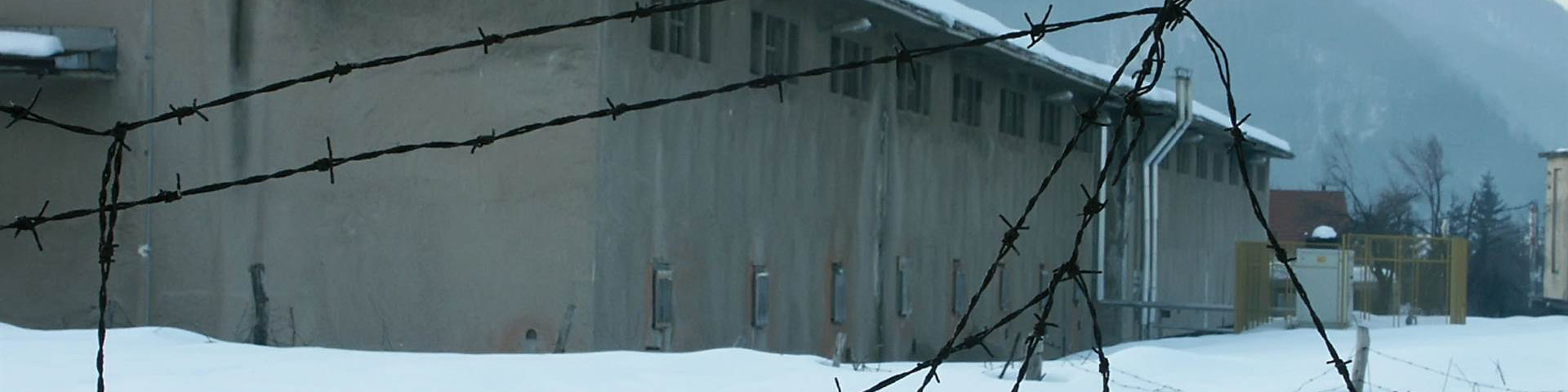
Silos
Silos u Tarčinu, 71244 Tarčin1992. - 1996.
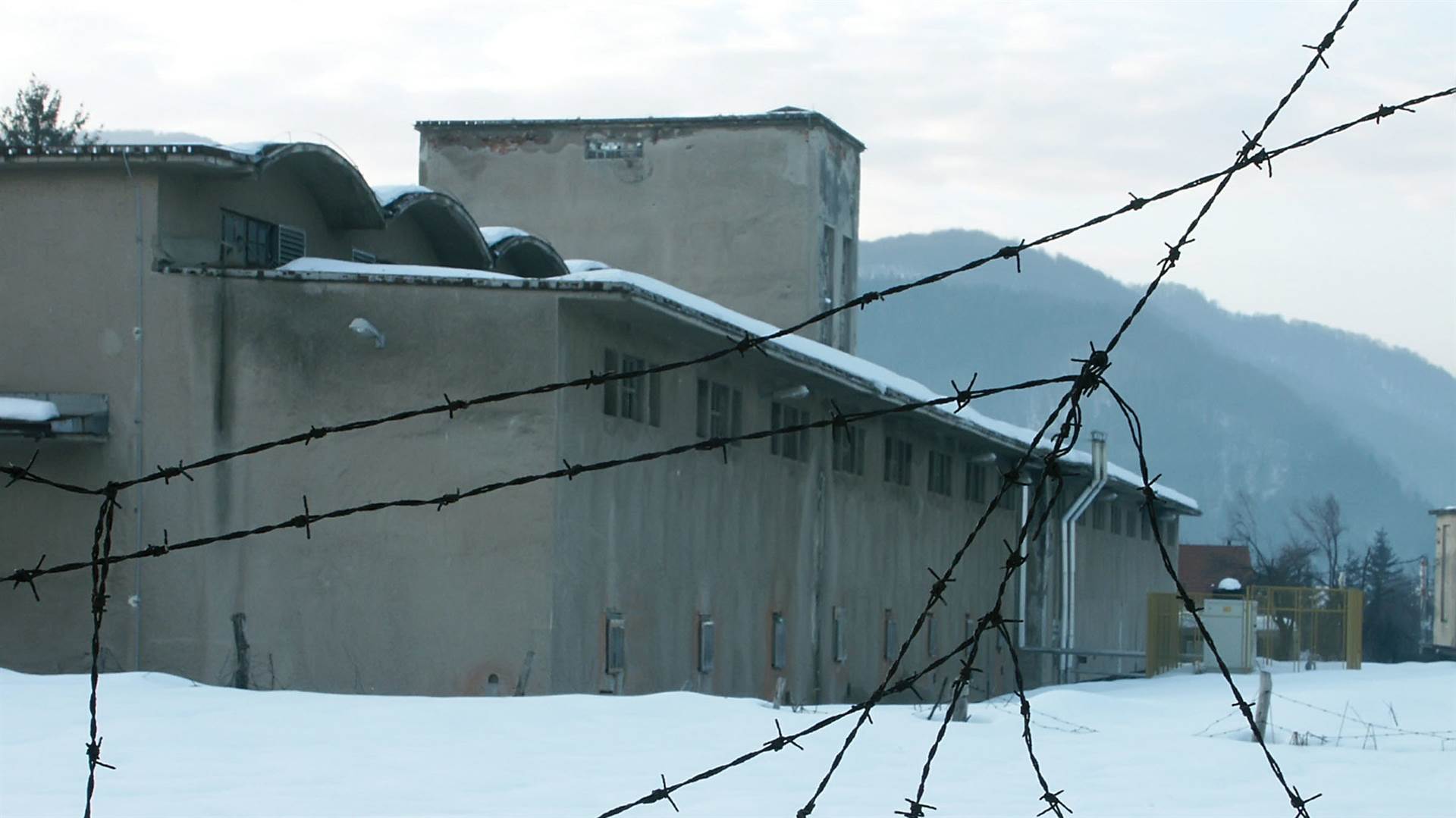
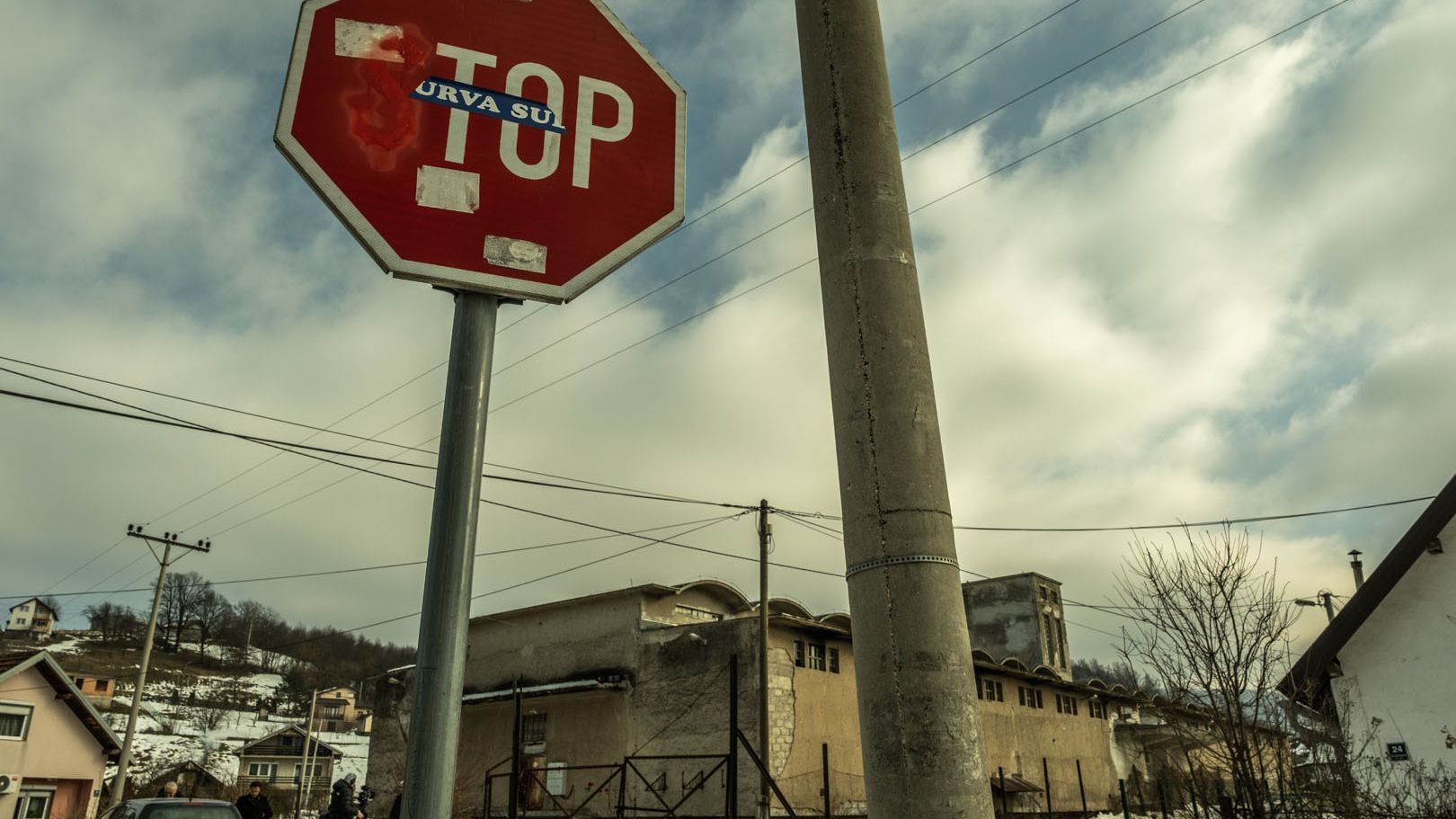
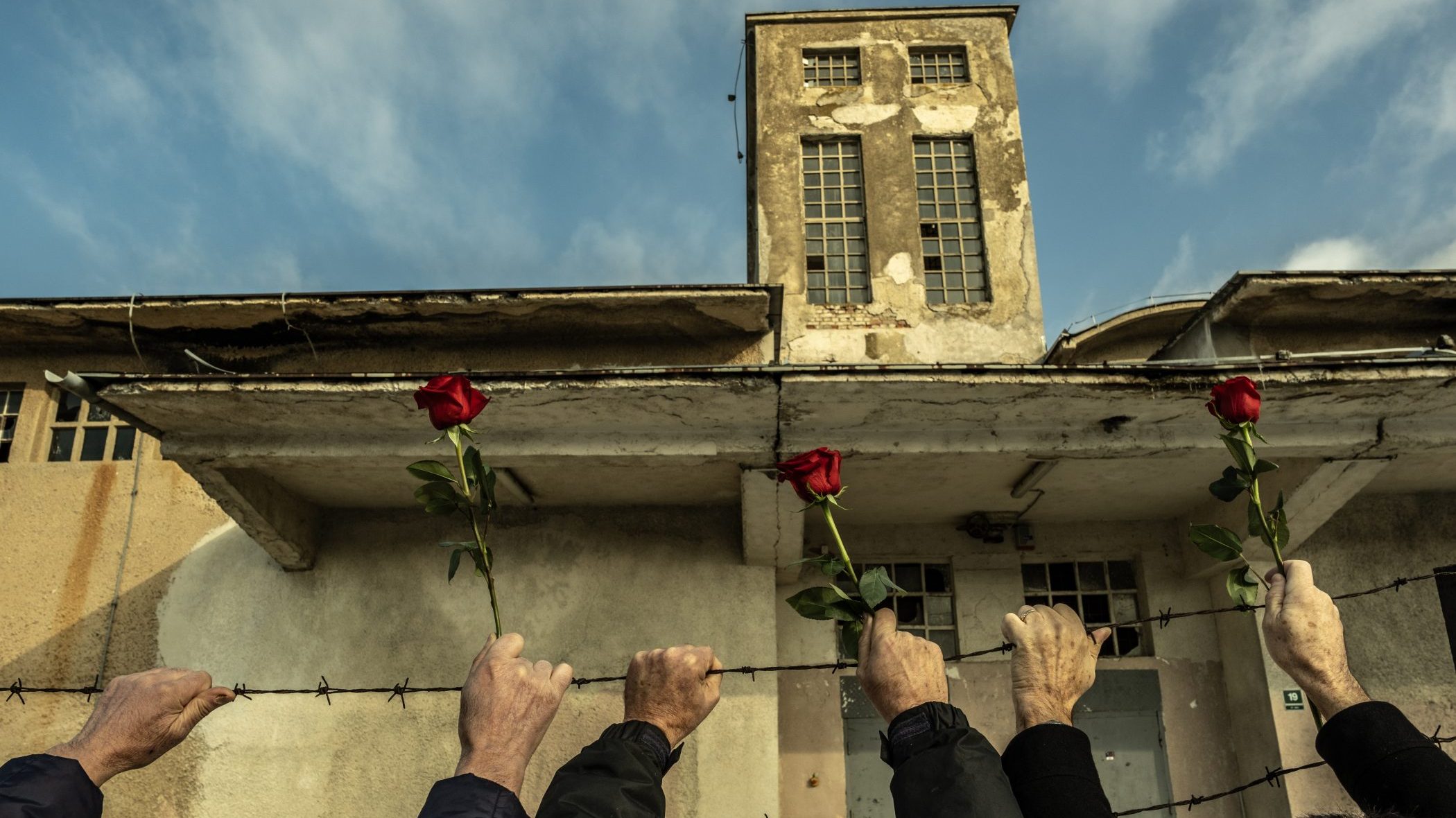
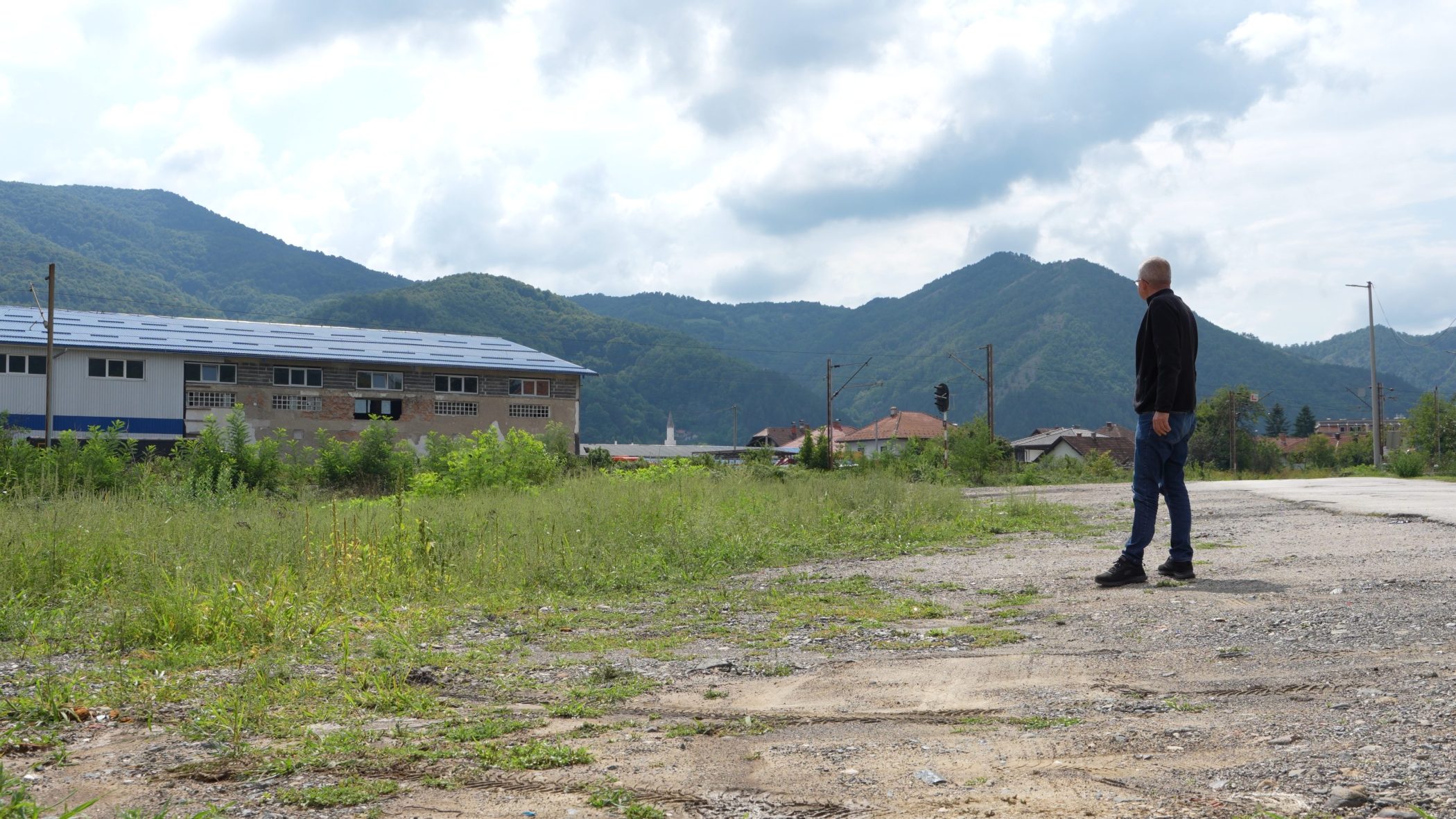
A silo facility in Tarčin that was used from the spring of 1992 until the beginning of 1996 as a detention centre for Serb and Croat civilians and soldiers. Detainees stayed in inadequate and often overcrowded concrete cells in the silos.
Court facts
Court of Bosnia and Herzegovina
On May 14, 1992, the Crisis Staff of the Hadžići Municipality issued decisions on the isolation of all persons collaborating with the enemy. Based on this the civilian population of Serb ethnicity from the area of Pazarić, Tarčin, and surrounding settlements was arrested and placed in the Silos compound in Tarčin, the “9. maj” Elementary School in Pazarić, and later in the warehouses of the Krupa barracks in Zovik. (para. 93-94. Fadil Čović et al. second-instance judgment, pp. 4, 43.), (para. 99. second-instance verdict Šerif Mešanović, p. 30.)
The Silos camp was established in mid-May 1992, with the arrival of Yugoslav People’s Army (JNA) reservists captured during the conflict in the Krupa and Žunovnica barracks. At the end of May 1992, the first group of Serb civilians arrived at this facility. (para. 97. second-instance judgment Fadil Čović et al., p. 44.), (para. 93. second-instance verdict Šerif Mešanović, p. 29.)
The security of the Silos camp was initially provided by the police, and later by military structures. (paras. 106-118. second-instance verdict Fadil Čović et al., pp. 46-48.)
Around 500 persons, exclusively of Serb ethnicity, including military-age men, minors, women, and elderly people (the age range was from 14 to 84) were taken under the pretext of being detained for possession of illegal weapons, or collaboration with the enemy, to the premises of the Pazarić and Tarčin police stations. Some were taken directly to the Silos camp and the premises of the “9. maj” Elementary School. (paras. 93., 440-441. Fadil Čović et al. second instance verdict, pp. 4-5, 43, 112.), (paras. 89-90. Šerif Mešanović second-instance verdict, p. 28.)
The court concluded that some detained Serbs in the school in Pazarić or in the Silos camp from the end of May 1992 had weapons, but that they were not involved in any military activities at the time of their arrest. (paras. 183-186., 431-437. second instance verdict Fadil Čović et al., pp. 64-65, 110-111.), (paras. 181-183. second-instance verdict Šerif Mešanović, pp. 49-50.)
During the arrests, police officers and members of the municipal headquarters of the Territorial Defence beat the Serbs. (para. 366. second-instance verdict Fadil Čović et al., pp. 5, 97.)
There were about 140 Serb civilians detained for several months in the gymnasium of the “9. maj” Elementary School in Pazarić. With detention periods ranging from one day to 1,334, about 500 Serb civilians and about 90 Croats were detained in the Silos camp. (paras. 93, 136. second-instance verdict Fadil Čović et al., pp. 5-6, 43, 51.), (para. 250. second-instance verdict Šerif Mešanović, pp. 3-4, 64)
The detainees at Silos and Krupa were held in inadequate and often overcrowded concrete cells. (para. 470-498. Fadil Čović et al. second-instance verdict, pp. 6-7, 119-126.)
Due to the deterioration of their health due to their stay in inhumane conditions in the Silos facility, several people died during 1992. Some died after being released home and some in the Suhodol Hospital. (para. 519. Fadil Čović et al. second instance verdict, p. 131.)
In the Silos camp, civilians were beaten and abused and suffered serious physical injuries. (paras. 562-564., 573-575. second-instance verdict of Fadil Čović et al., pp. 7-8, 142-143, 145-146.)
From April to July 1993, during the conflict between the Army of the Republic of Bosnia and Herzegovina (ARBiH) and the Croatian Defence Council (HVO), the illegal detention of the Croat civilian population from the areas of Tarčin, Medvjedice, Mokrin, Pirin, and Zabrđe was carried out. They were placed in the Silos camp. (para. 318. second-instance verdict Fadil Čović et al., pp. 4-5, 88.)
It was established that the captured members of the HVO did not offer any resistance at the time of their arrest, that is, they were not combat-ready. (paras. 196-197. Fadil Čović et al. second instance verdict, p. 67.), (paras. 191-192. Šerif Mešanović second instance verdict, pp. 51-52.)
In January and April 1993, when military prosecutors and the investigating judge of the Zenica District Military Court arrived in the Tarčin area, the authorities deliberately kept quiet about the fact that a large number of persons deprived of their freedom were held in the Silos and Krupa facilities. (paras. 612-613. Fadil Čović et al. second instance verdict, pp. 9, 156.)
Detainees from the Silos and Krupa facilities were taken to work on the front lines, during which they were mentally and physically abused. The prisoners worked on the front lines on Igman, Hrasnica, Butmir, Donje, Kotorac, Stup, Mojmilo, Nedžarići, the Jewish Cemetery, Bistrik, and Soukbunar. (paras. 662-663. Fadil Čović et al. second instance verdict, pp. 10, 165-166.), (para. 332-333. Šerif Mešanović second instance verdict, pp. 4-5, 82.)
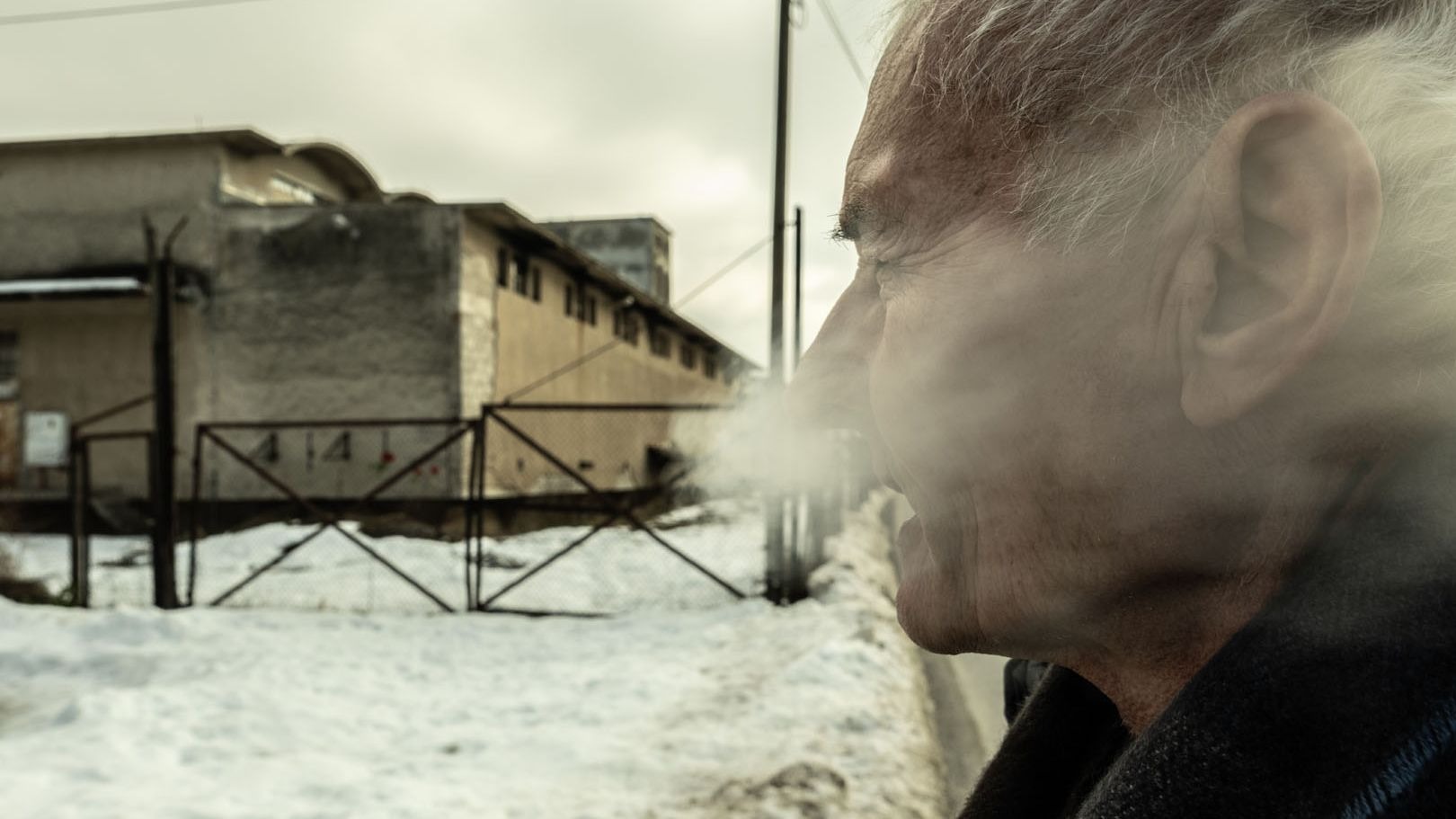
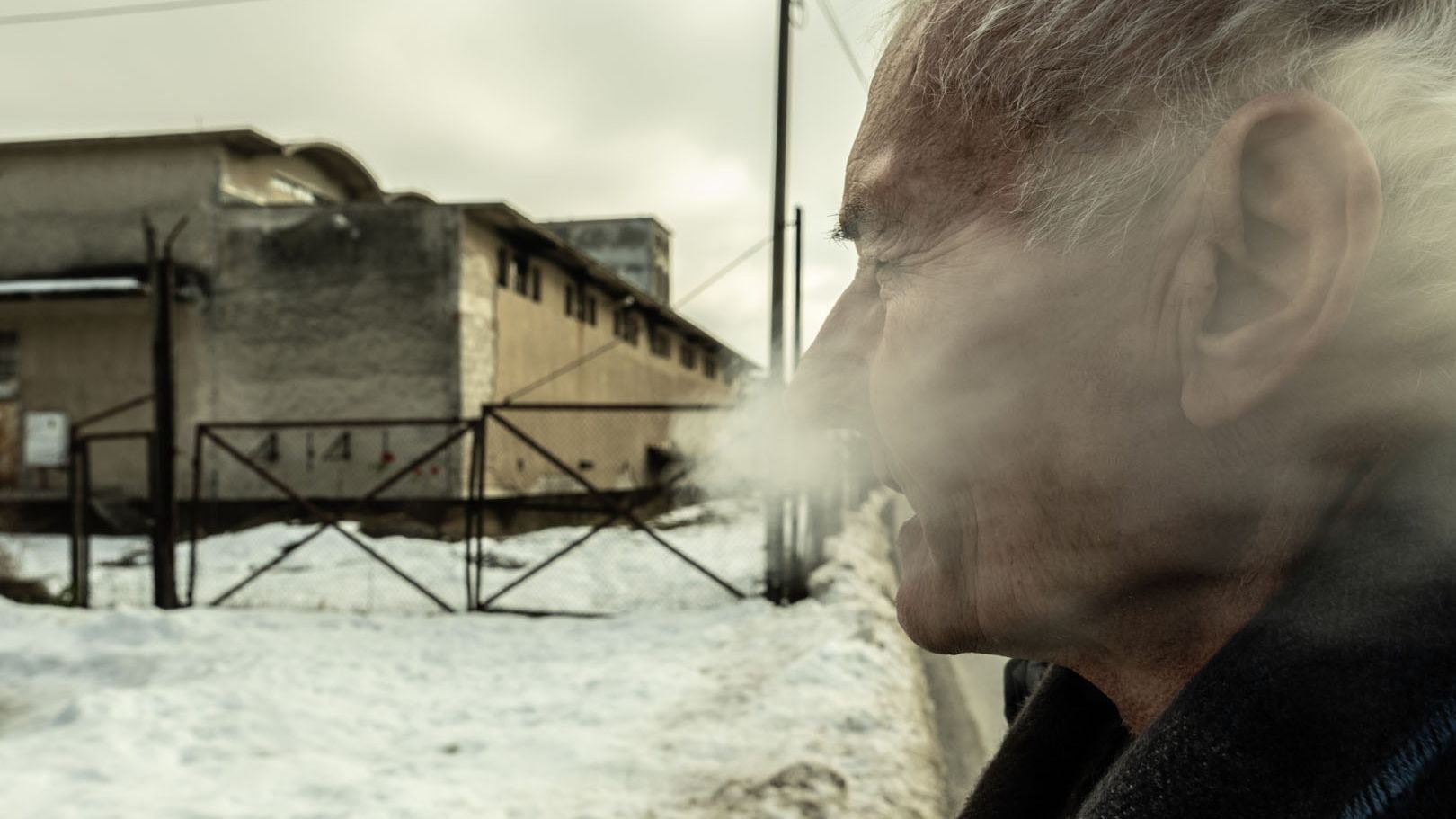
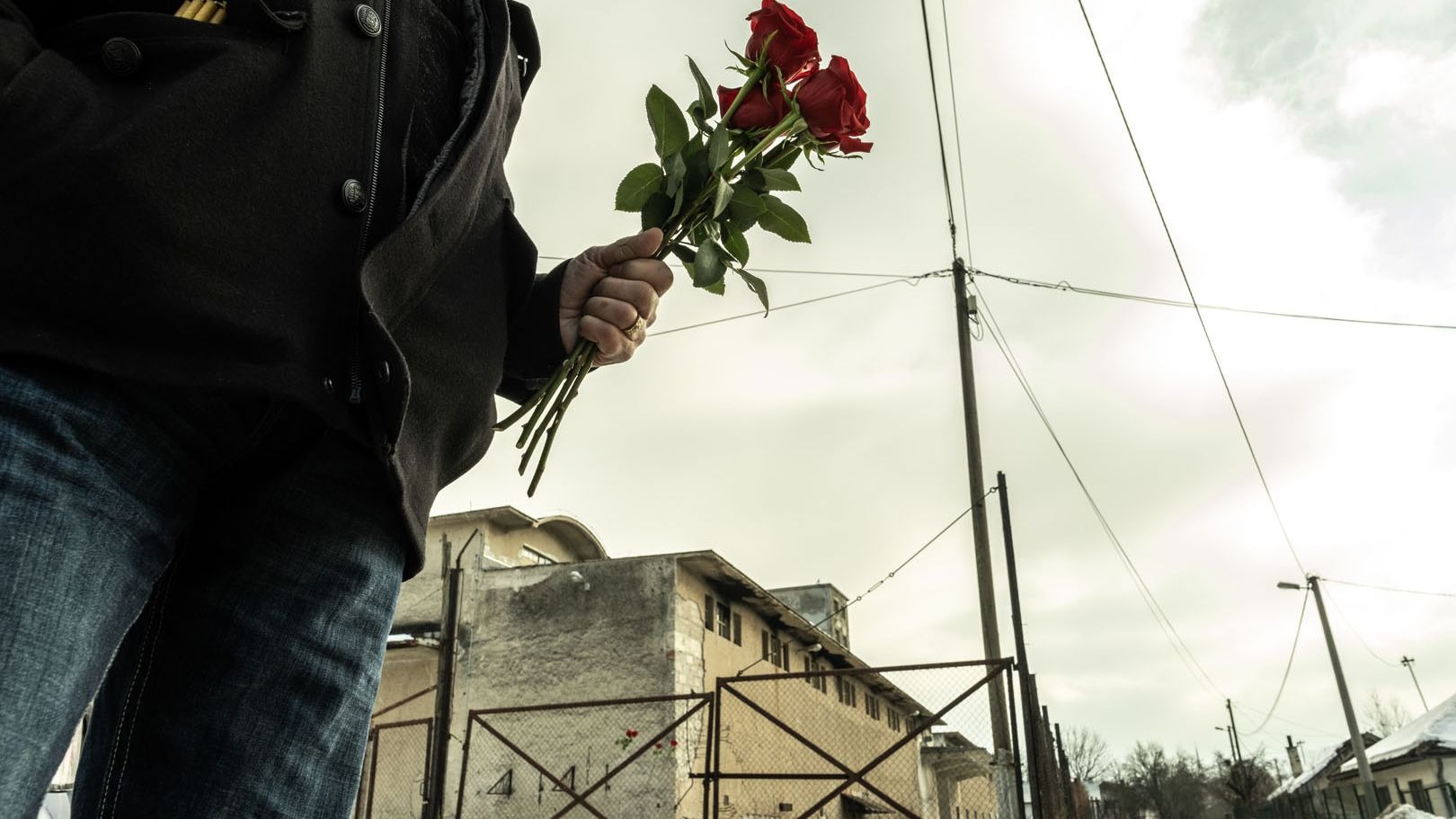
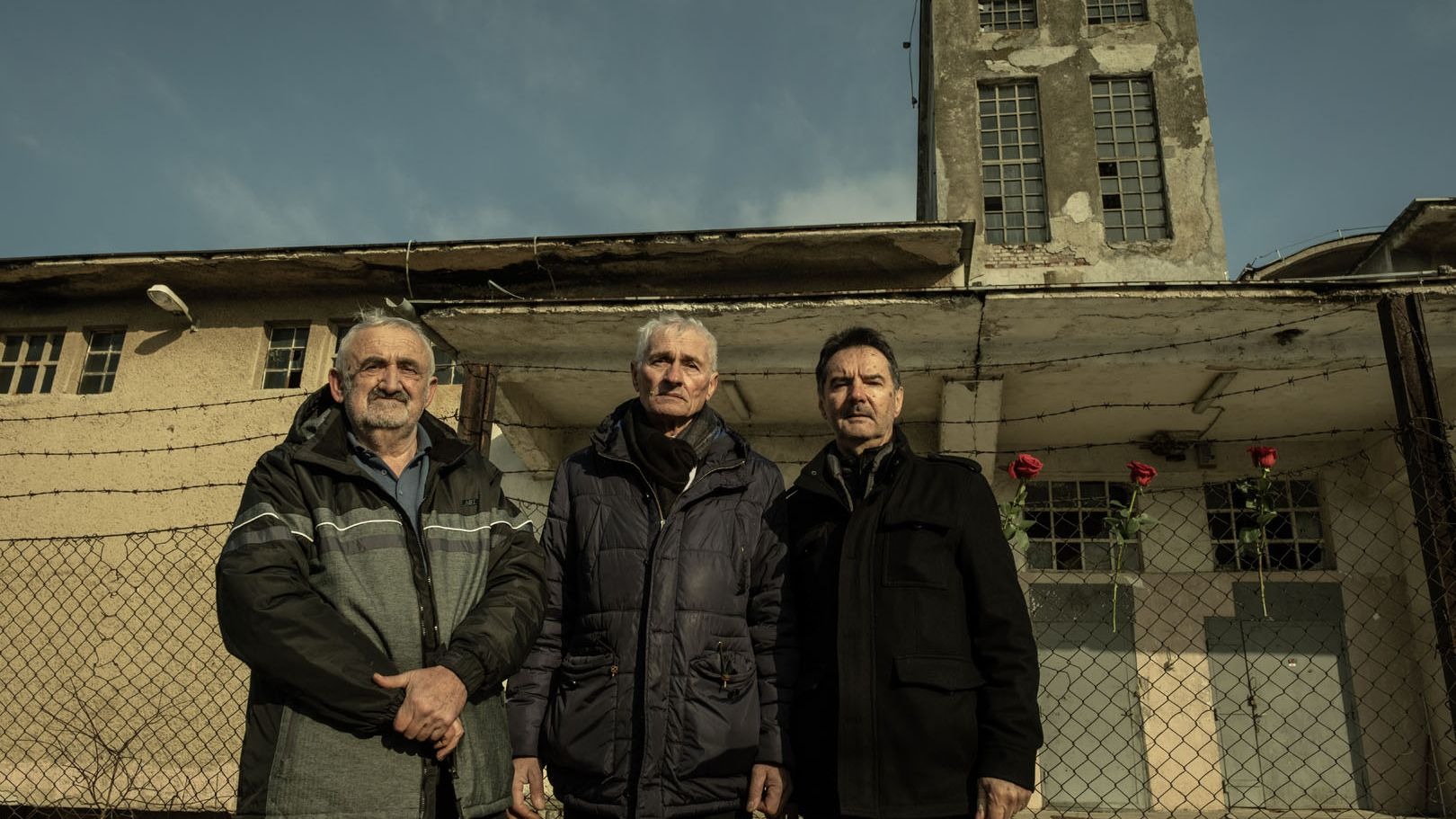
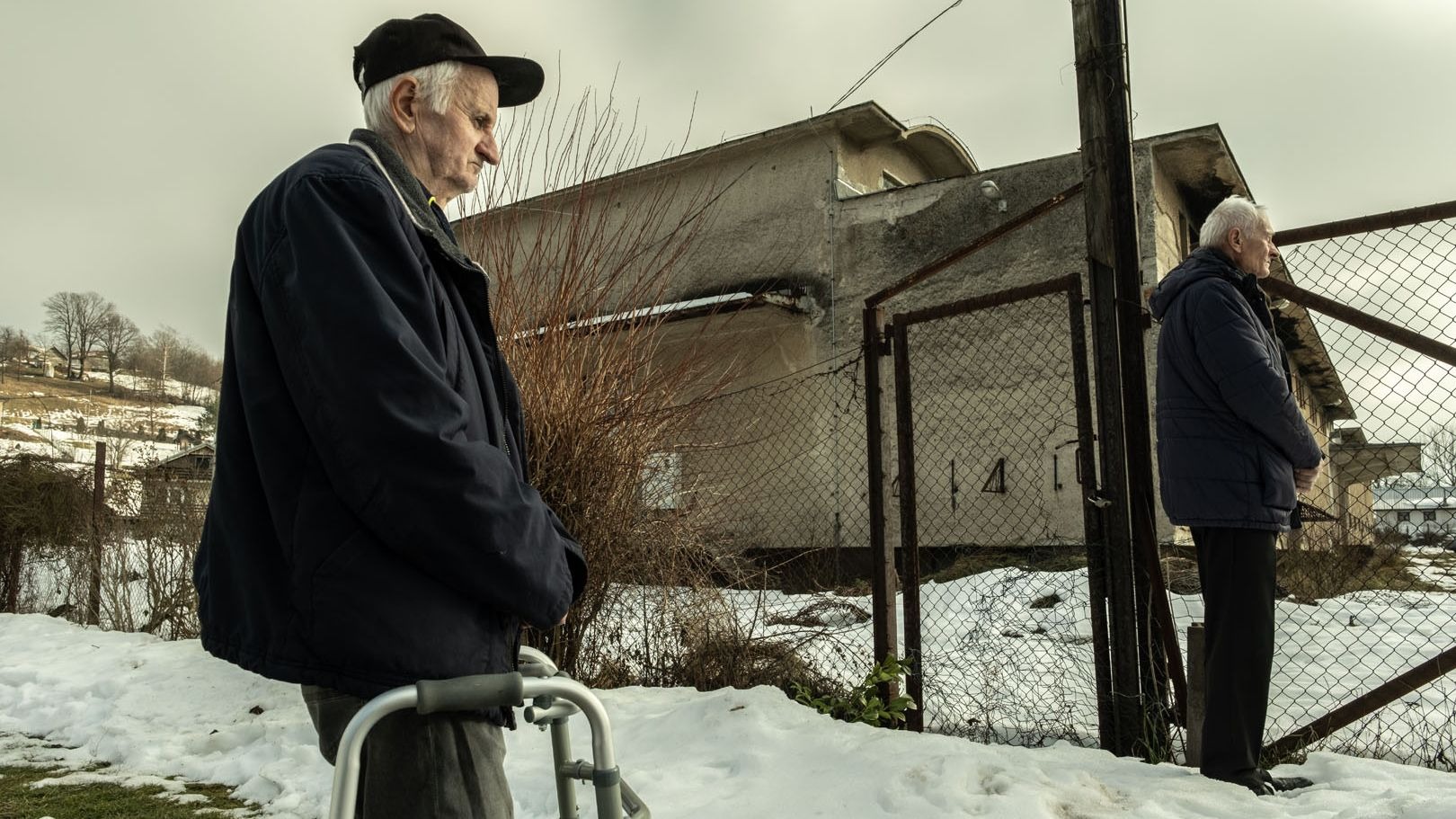
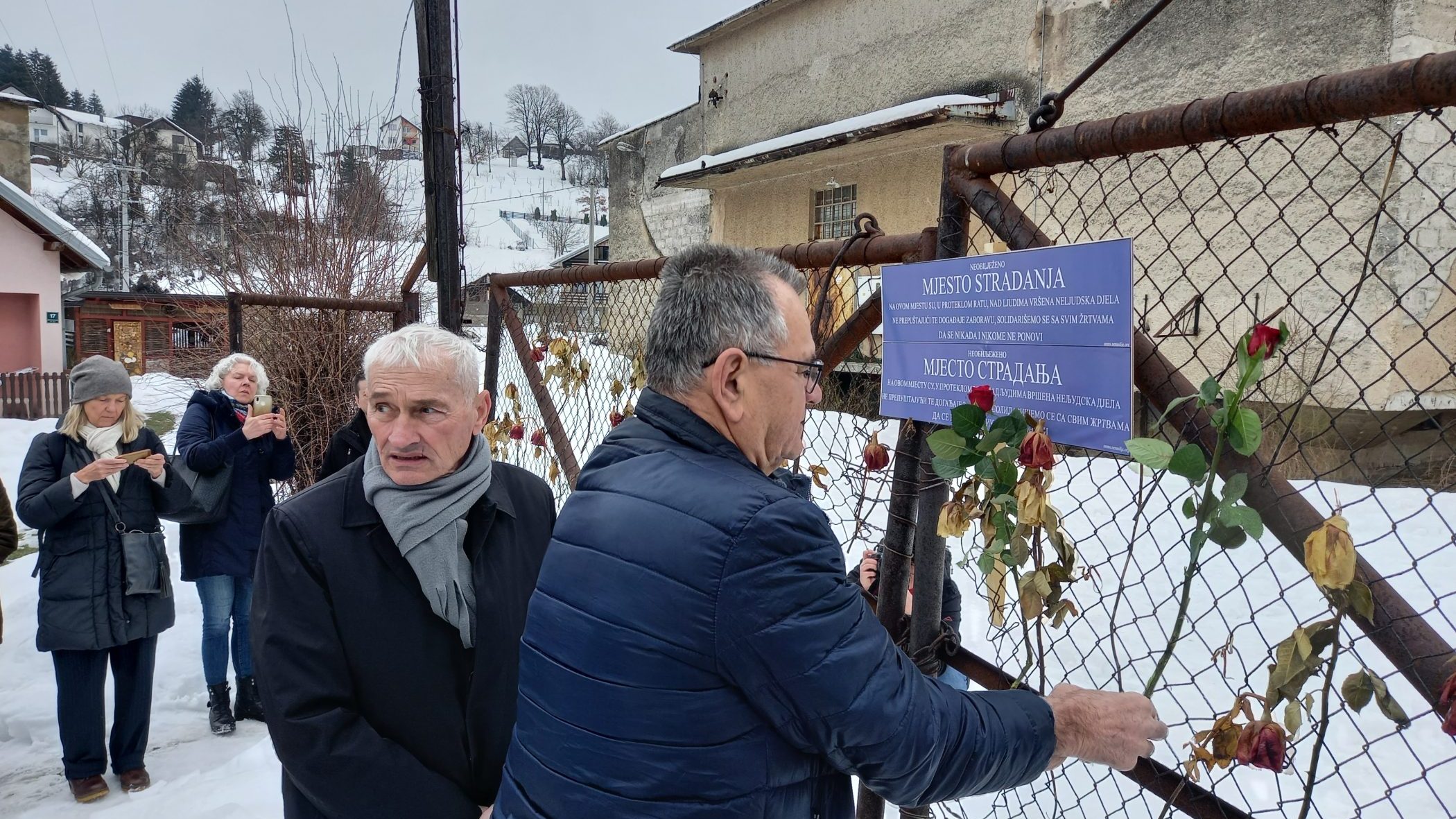
Slobodan Mrkajić is one of the witnesses to the brutal gauntlet detainees faced upon arrival at “Silos”, as well as the constant interrogations. He stresses that all attempts to mark the site with dignity have failed, because any temporary memorial would be removed immediately.
Slobodan Mrkajić — “Silos” camp, Tarčin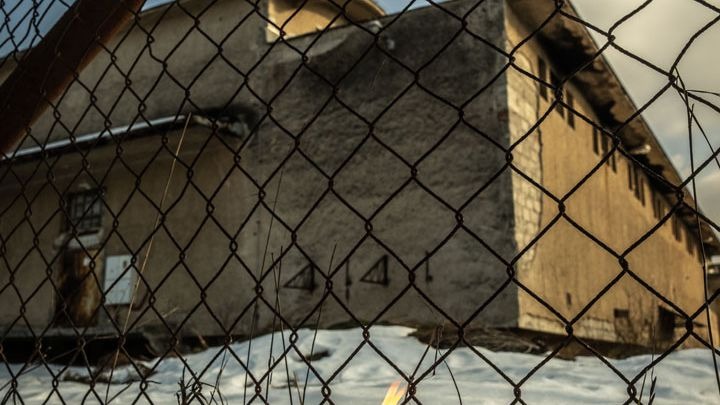
Related content

Silos
Silos u Tarčinu, 71244 Tarčin