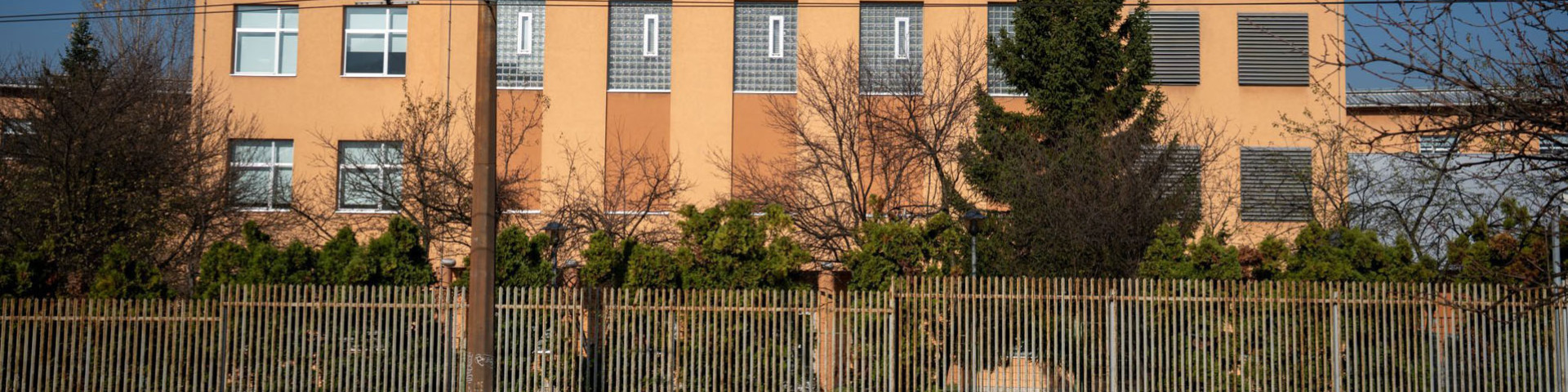
Barracks Viktor Bubanj
Kraljice Jelene 88, 71000 Sarajevo1992. – 1994.
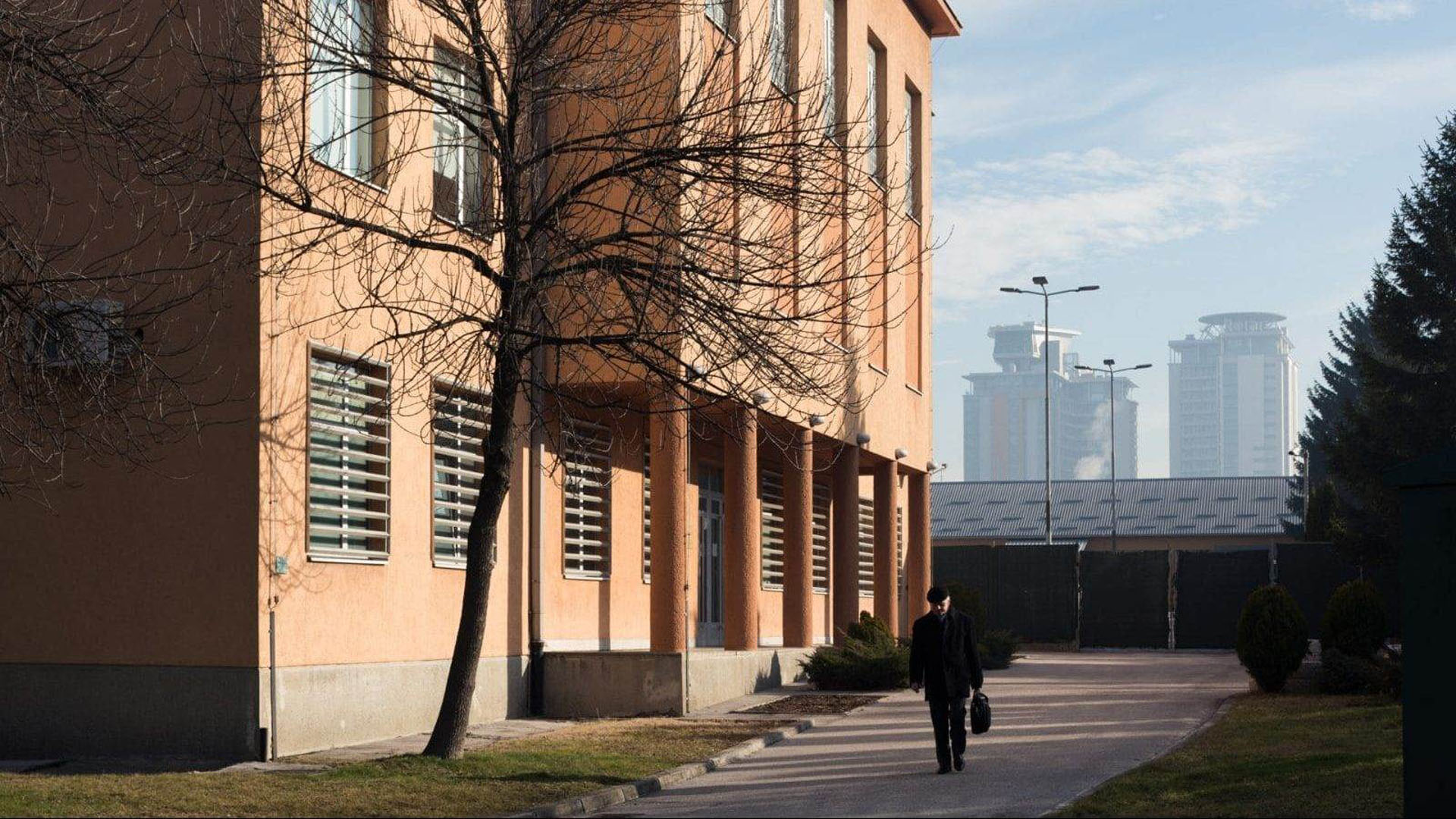
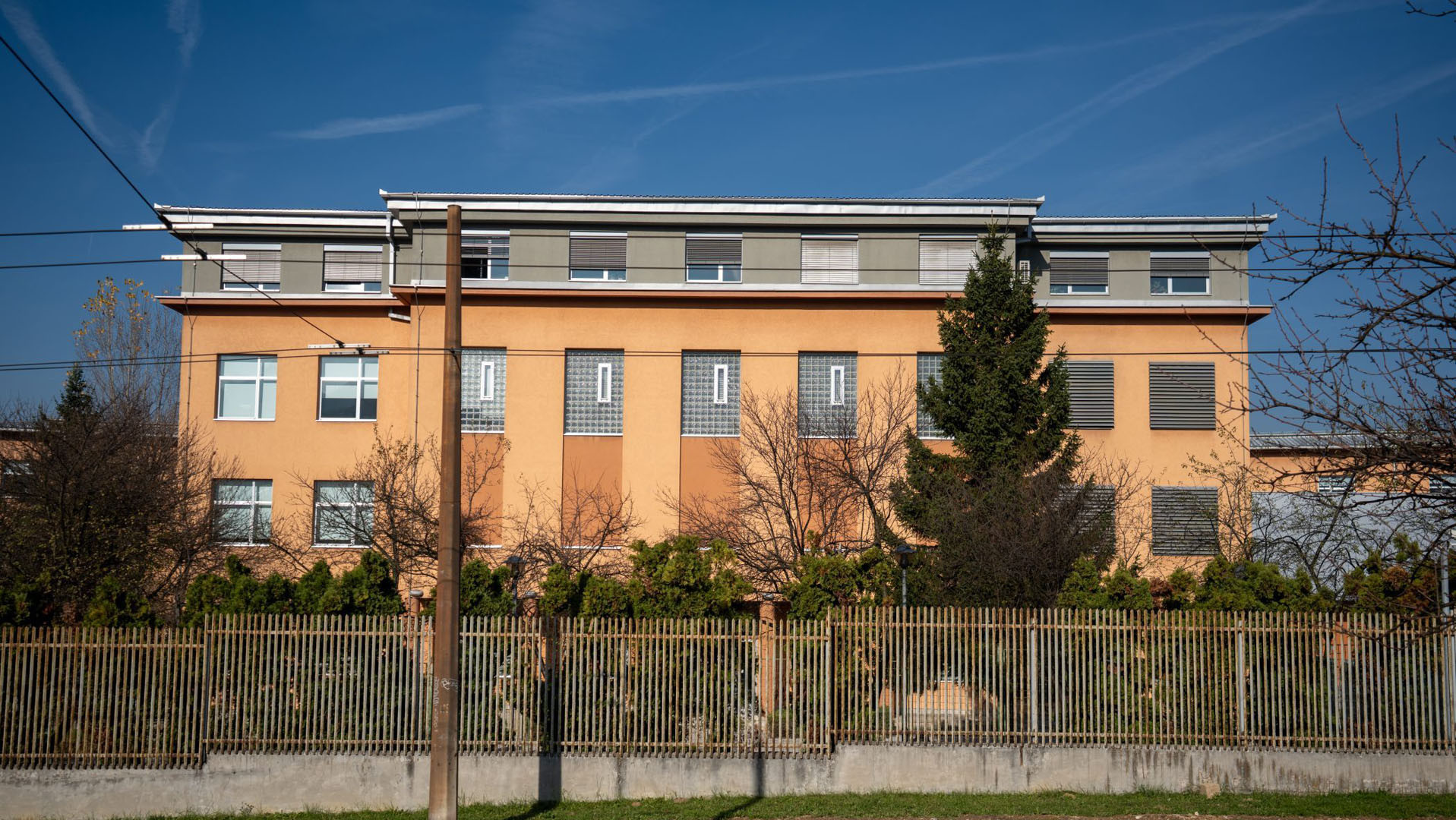
A former military facility of the Yugoslav People’s Army, which today forms a complex of judicial institutions of Bosnia and Herzegovina housing the State Court and Prosecutor’s Office, was turned into a prison for Serb civilians after the beginning of the war in Bosnia and Herzegovina.
Court facts
Court of Bosnia and Herzegovina
The armed conflict in the area of Sarajevo and the municipality of Novi Grad began on April 5, 1992 with the setting up of Serb barricades in Mojmilo, Grbavica, and Aerodromsko naselje. These are the findings of the Trial Chamber in this case, while the Chamber in the Mandić case, going off the facts established before the ICTY, concluded that the armed conflict began on April 6, 1992. (para. 405. Senad Džananović and Edin Gadžo, p. 96.)
The Viktor Bubanj barracks began to function as a military detention facility secured by the military police at the end of June 1992. Later they served as a detention facility for the District Military Court in Sarajevo. (paras. 238-240. Ramiz Avdović and Vintila lulain Nicolae, pp. 67-68.)
A large number of Serb civilians were detained in the barracks where they were exposed to inhumane and brutal treatment by individual guards almost daily. (paras. 316-317. Ramiz Avdović and Vintila lulain Nicolae, p. 84.)
Civilians were arrested and taken for questioning at various locations in the city and then brought to the Viktor Bubanj barracks. (para. 184. Ramiz Avdović and Vintila lulain Nicolae, p. 54.)
Physical mistreatment and beatings were recorded from June to the end of November 1992. Detainees were most often beaten in their cells and while passing through the corridor of the military prison. (paras. 372-419. Ramiz Avdović and Vintila Lulain Nicolae, pp. 5-6, 95-105.)
Some of the detainees lost consciousness during the beatings. (para. 307. Ramiz Avdović and Vintila Lulain Nicolae, pp. 5, 82.)
There were women among the prisoners. (para. 197. Ramiz Avdović and Vintila lulain Nicolae, p. 58.)
It was concluded that the basement rooms of residential buildings on ZAVNOBiH Square, numbers 21 and 27, were detention facilities where detainees were subjected to inhumane conditions, psychological and physical abuse, and forced labour. (paras. 434-448. Senad Džananović and Edin Gadžo, pp. 101-103.)
At the end of July 1992, these detention facilities were disbanded. Some of these prisoners were taken to Viktor Bubanj, some to the central prison, and some were released to their homes and were given the opportunity to state whether they wanted to be exchanged or whether they wanted to stay in Sarajevo and join the Army of the Republic of Bosnia and Herzegovina. (para. 217. Senad Džananović and Edin Gadžo, p. 59.)
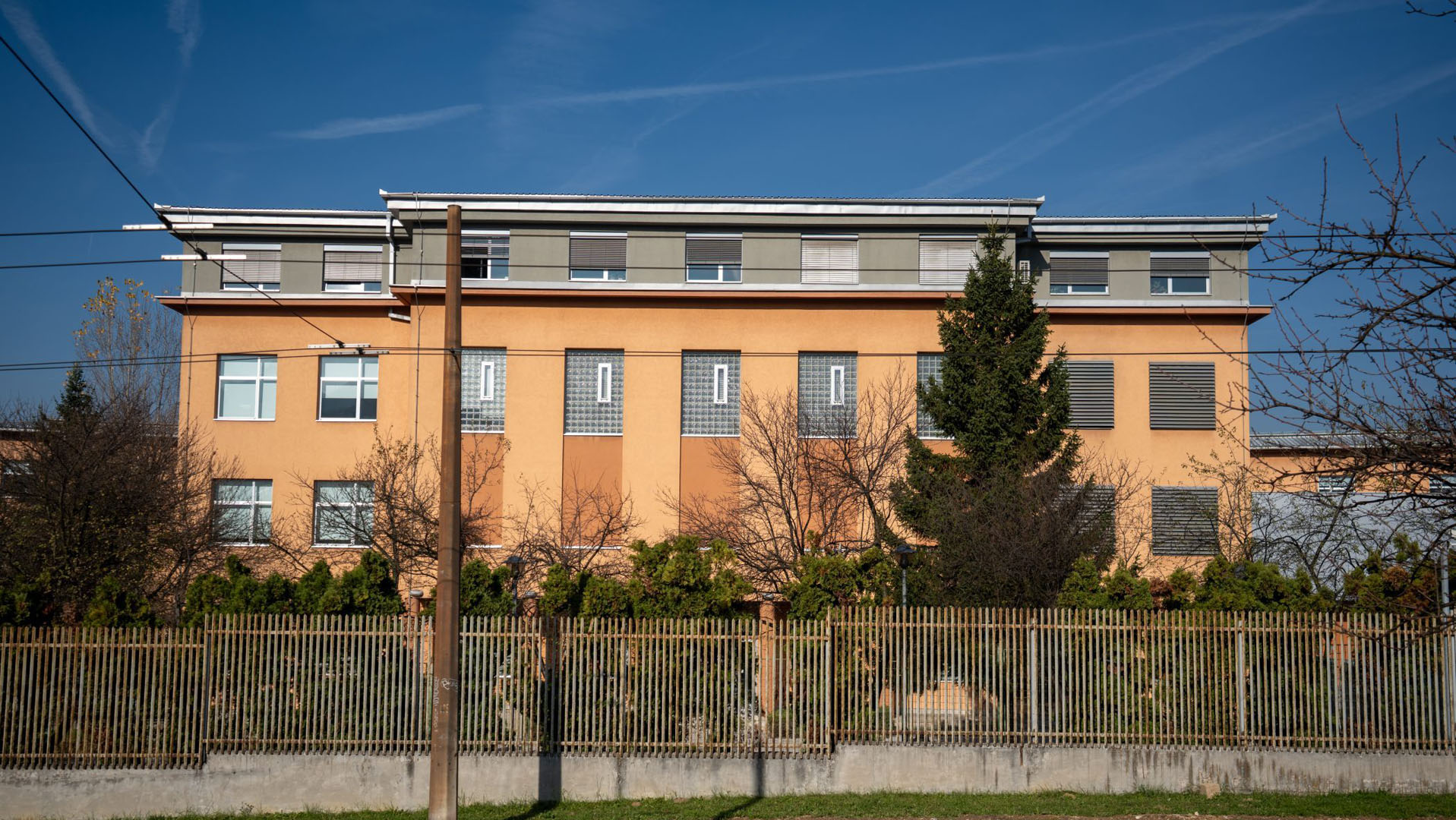
Twice as thin and deeply traumatised — this is how Dragomir describes himself after leaving detention in the former “Viktor Bubanj” barracks in Sarajevo, where he witnessed random beatings of prisoners in cramped cells. Today, the site houses the Prosecutor’s Office and the Court of Bosnia and Herzegovina, but there is no memorial to tell future generations that people were once imprisoned there.
Dragomir Pejović — “Viktor Bubanj” barracks, Sarajevo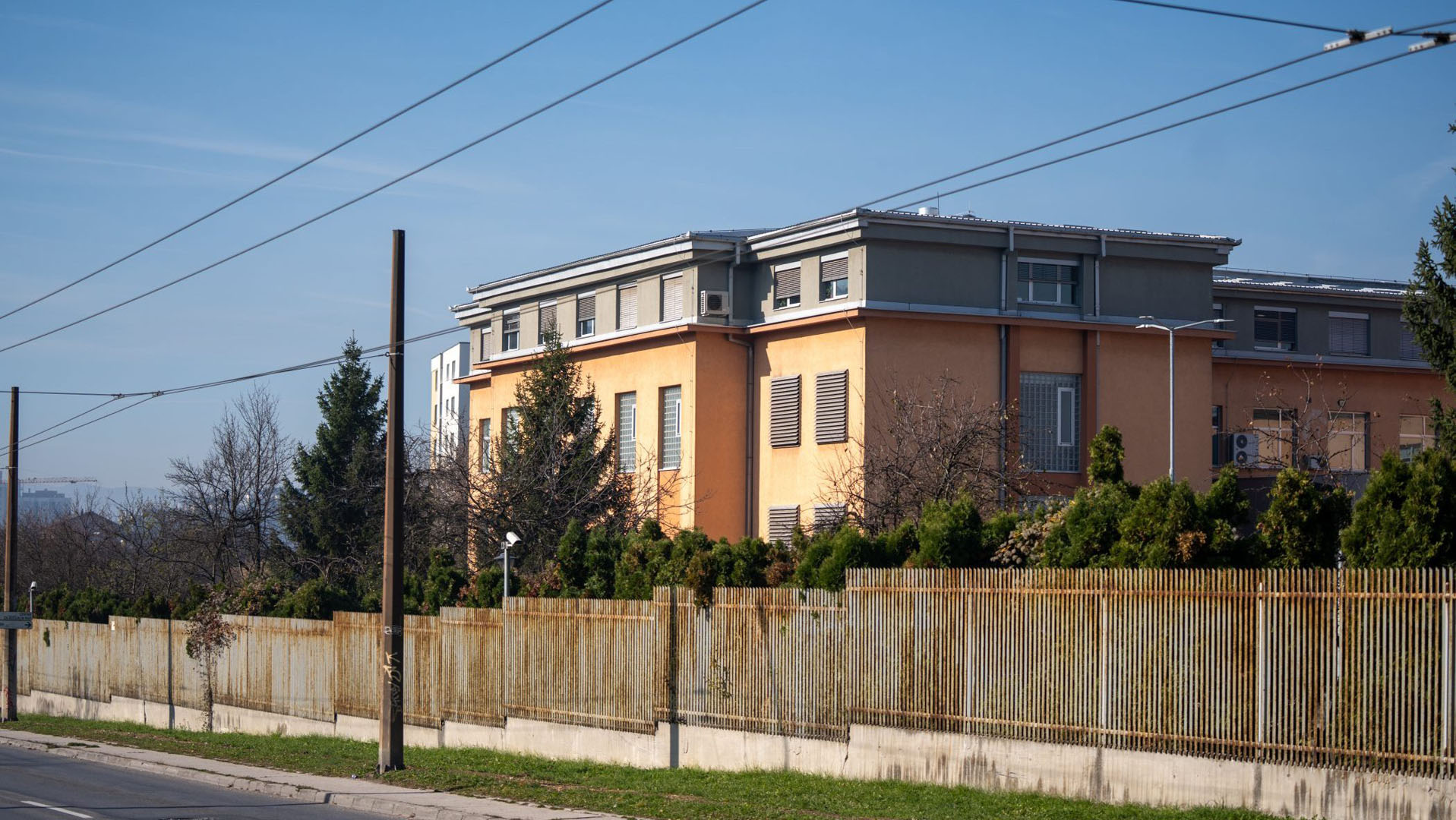
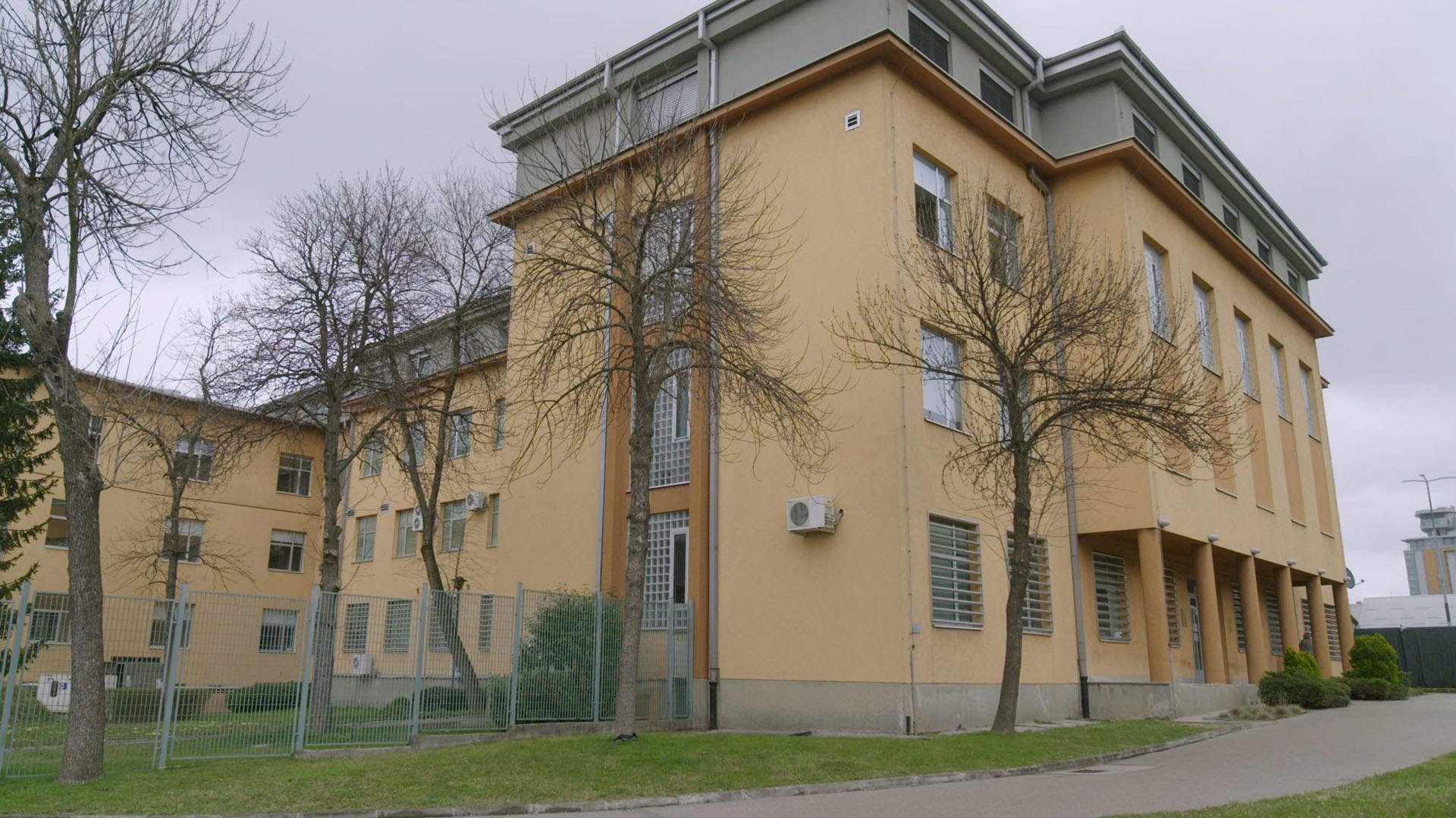
Related content

Barracks Viktor Bubanj
Kraljice Jelene 88, 71000 Sarajevo