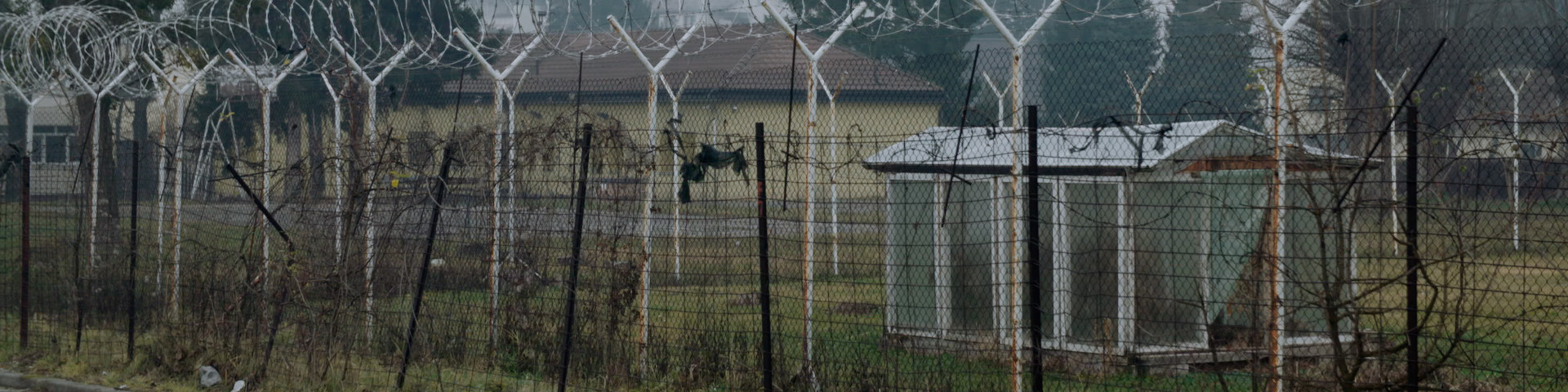
KPD Kula
Vasilja Grđića bb, 71123 Istočno Sarajevo1992. – 1996.
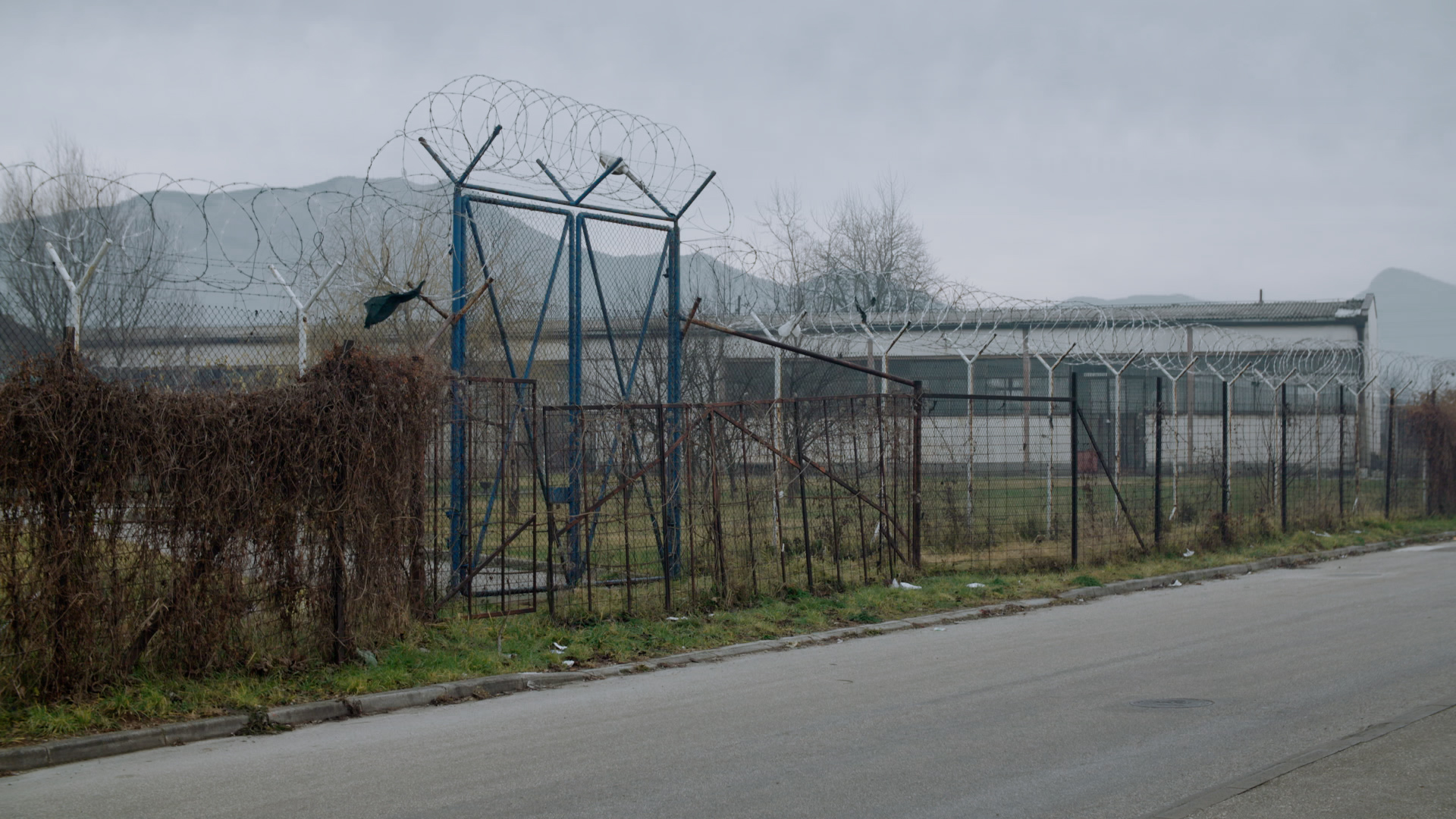
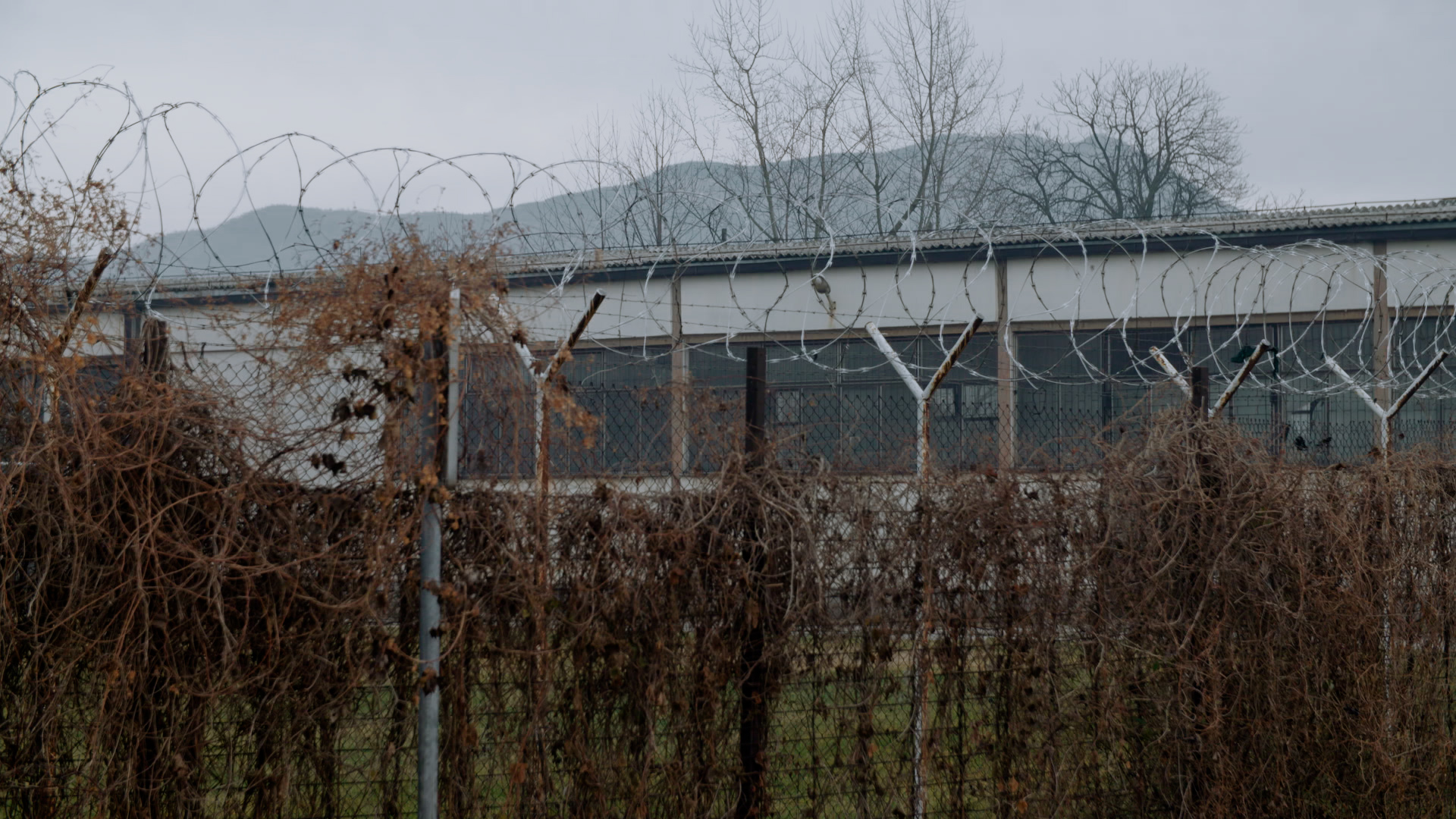
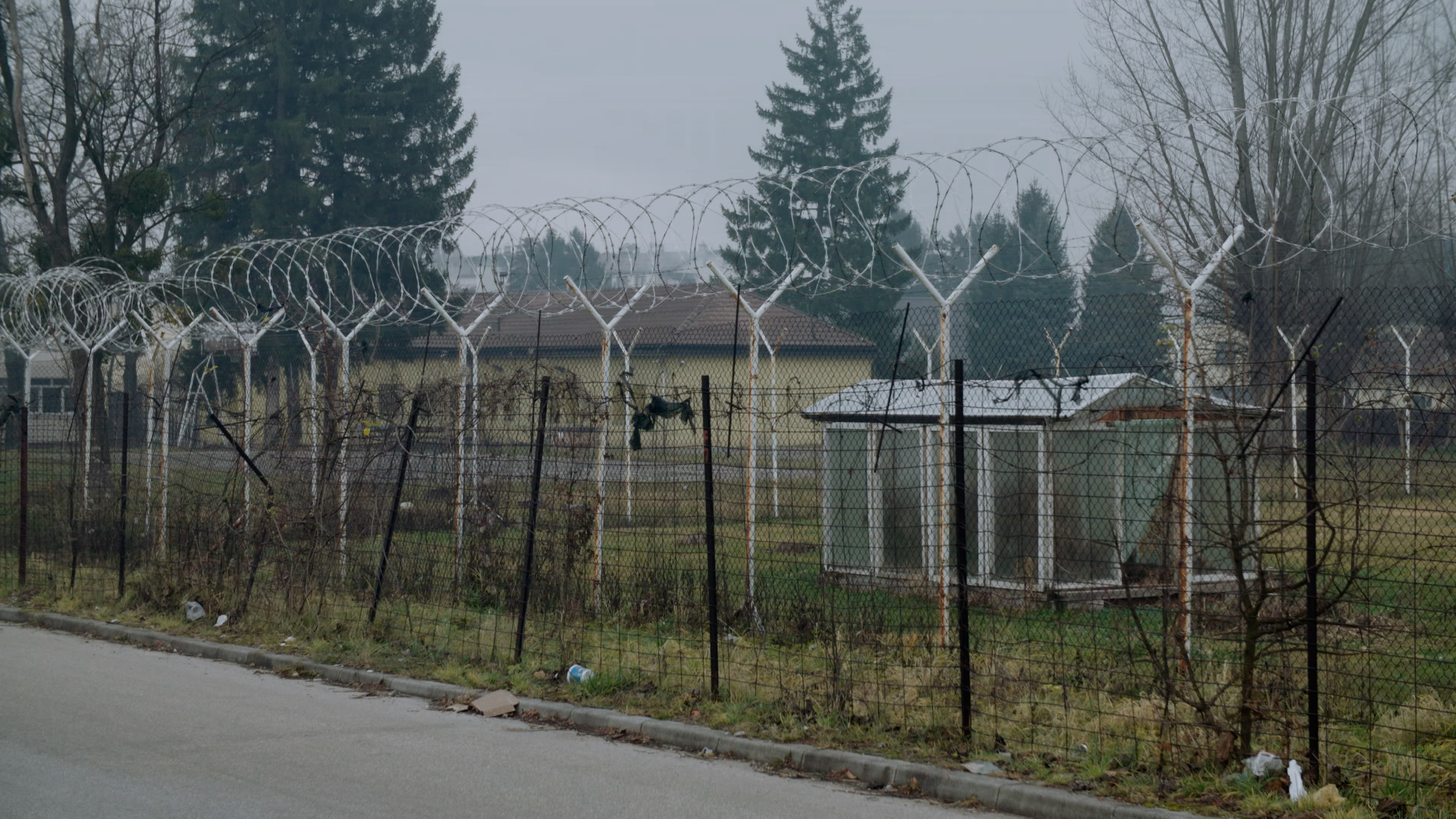
Kula, or the Butmir Penal and Correctional Facility, is a former prison facility that was turned, at the beginning of the war in Bosnia and Herzegovina, into a detention centre for Bosniaks and Croats. Detainees were regularly beaten; some were beaten to death.
Court facts
ICTY
After taking control of the Ilidža Municipality in May 1992, Serb forces detained civilians of predominantly Bosniak and Croat ethnicity in more than ten detention centres in the municipality during 1992. These include the old health centre building, the Lužani camp, the Cultural and Sports Centre building, the Energoinvest warehouse, Kasindol Hospital, the “27. Juli” Elementary School, the Secondary Graphic School, a kindergarten, the Ilidža Public Security Station, the Blažuj barracks, and the Kula prison. (paras. 554., 577. Krajišnik, pp. 208, 215.)
From May 12 to October 1992, 10,000 Bosniak civilians of all ages passed through the Kula prison for periods ranging from a few days to several months. The detainees were regularly beaten. (para. 732. Mladić, volume I, p. 377.), (paras. 2144., 2152. Karadžić, volume II, p. 852., 856.), (para. 577. Krajišnik, p. 215.)
On or about May 7, 1992, Serb forces beat two detainees to death in the Kula prison. (paras. 2154-2155. Karadžić, volume II, p. 856.), (para. 718. Krajišnik, p. 265.)
On or about June 17, 1992, members of the Army of Republika Srpska (VRS) took civilians from parts of Dobrinja under their control to the barracks in Lukavica, where police officers separated and grouped them by ethnicity, after which the Bosniaks were sent to the Kula prison. (para. 2133. Karadžić, vol. II, p. 848.)
Approximately 280 people who had previously been detained in Hadžići were brought in four buses on June 22, 1992 to the Slaviša Vajner Čiča barracks in Lukavica. There they were hit with rifle butts, police batons, and various objects. Individuals were called out and beaten and the following day approximately 233 of them were put back on the buses and taken to the Kula prison. (paras. 2276-2278. Karadžić, vol. II, pp. 904-906.)
Bosniaks were detained in Pale in five detention facilities (a police building, a sports complex, a cinema, a cultural centre and the Hrenovica barracks) in difficult conditions. In some of them they were severely beaten, sometimes to death, while in June and July 1992, buses organised by the Crisis Staff transported a large number of Bosniaks from Pale to the part of Sarajevo controlled by the Army of the Republic of Bosnia and Herzegovina (ARBiH). (paras. 585-587. Krajišnik, pp. 217-218.), (paras. 2320., 2347. Karadžić, vol. II, pp. 921-922, 928.)
Some of the detainees from the sports complex were transferred to the Kula prison, accompanied by members of the reserve police. (para. 2346. Karadžić, vol. II, pp. 928.), (para. 585. Krajišnik, pp. 217-218.)
Court of Bosnia and Herzegovina
The operation of the penal correctional facility Butmir (Kula) (KPD) was terminated on April 4, 1992. Its operation was re-established by a decision on June 30 and it was functioning by late July or early August of the same year. (paras. 70-71. Second-instance verdict of Radoje Lalović and Soniboj Škiljević, p. 24.)
Civilians of non-Serb nationality were detained in Pavilion 2 of the correctional facility. (paras. 109., 145. Second-instance verdict of Radoje Lalović and Soniboj Škiljević, pp. 34, 43.)
It was concluded that the captured civilians did not pose a threat to the “power holding them” before their capture, and it follows from their statements that each of them was arrested at their home and taken to the Kula prison. It was also concluded that the purpose of their capture and imprisonment was not to secure the aforementioned persons, but that their imprisonment was carried out solely on the grounds of their ethnicity. (paras. 156., 158. Second-instance judgment of Radoje Lalović and Soniboj Škiljević, p. 45.)
The largest group of non-Serb detainees held in Kula were from the settlement of Grapska near Doboj, who were transferred after spending several months in the Manjača and Batković camps. There were also a certain number of people from Sokolac and Pale and other locations. (para. 193. Second-instance judgment of Radoje Lalović and Soniboj Škiljević, p. 53.)
The conditions in the Kula prison were inadequate and often overcrowded. (Momčilo Mandić, p. 131.)
A group of 38 men from Kasindolska Street in Ilidža was brought to Kula on May 14, 1992. They stayed for a period of time and only one of them was exchanged seven days later. The others were taken out and killed at an unknown location. (paras. 209-211. Second-instance verdict of Radoje Lalović and Soniboj Škiljević, pp. 56-57.), (Momčilo Mandić, p. 132.)
Some other detainees were killed during that period. (paras. 214-215. second-instance verdict of Radoje Lalović and Soniboj Škiljević, p. 57.)
The guards took the detainees out of the rooms where they were held and physically and mentally abused them. This was done by soldiers and police officers who were interrogating them. A large number of detainees in Kula were beaten. (paras. 218-224. Second-instance verdict of Radoje Lalović and Soniboj Škiljević, pp. 58-60.), (Momčilo Mandić, pp. 131-132.)
The detainees performed various forms of forced labour, including digging trenches and ditches on the front lines, collecting and burying dead soldiers. On these occasions more than 20 prisoners were killed and more than 30 wounded. (paras. 230-250. Second-instance verdict of Radoje Lalović and Soniboj Škiljević, pp. 61-65.), (Momčilo Mandić, p. 132.)
Cantonal Court in Sarajevo
On May 14, 1992, a total of 38 captured Bosniak civilians were forcibly deported from Kasindolska Street to the KPD Kula, which functioned as a prison and a camp at the same time. One of these detainees was released through an exchange on May 21. There has been no trace of any of the other detainees ever since. (Goran Vasić, pp. 4-5, 26-27)
In mid-September 1992, after the attack by the Army of Republika Srpska on undefended areas of the settlements of Doglodi and Bare, which had previously been surrounded by Serb forces, around 20 Croat civilians were captured, as well as four members of the police from Novi Grad who were on official duty. The four police officers were beaten by Serb soldiers and one of them was killed. (Borislav Berjan, pp. 2-3, 25-31.)
The captured police officers were transferred to the barracks in Nedžarići, and later taken to the KPD Kula, from where they were exchanged after three months. The Croat civilians, after about 20 days of captivity, were returned to Bare and Doglodi, where they were ordered to move to Kiseljak, leaving behind all their property, which was then looted. (Borislav Berjan, pp. 2-3, 25-31.)
District Court in East Sarajevo
During May 1992, a detainee was beaten and suffered head injuries during an interrogation in the Kula penal correctional facility. (Luka Majstorović, pp. 2, 9-11.)
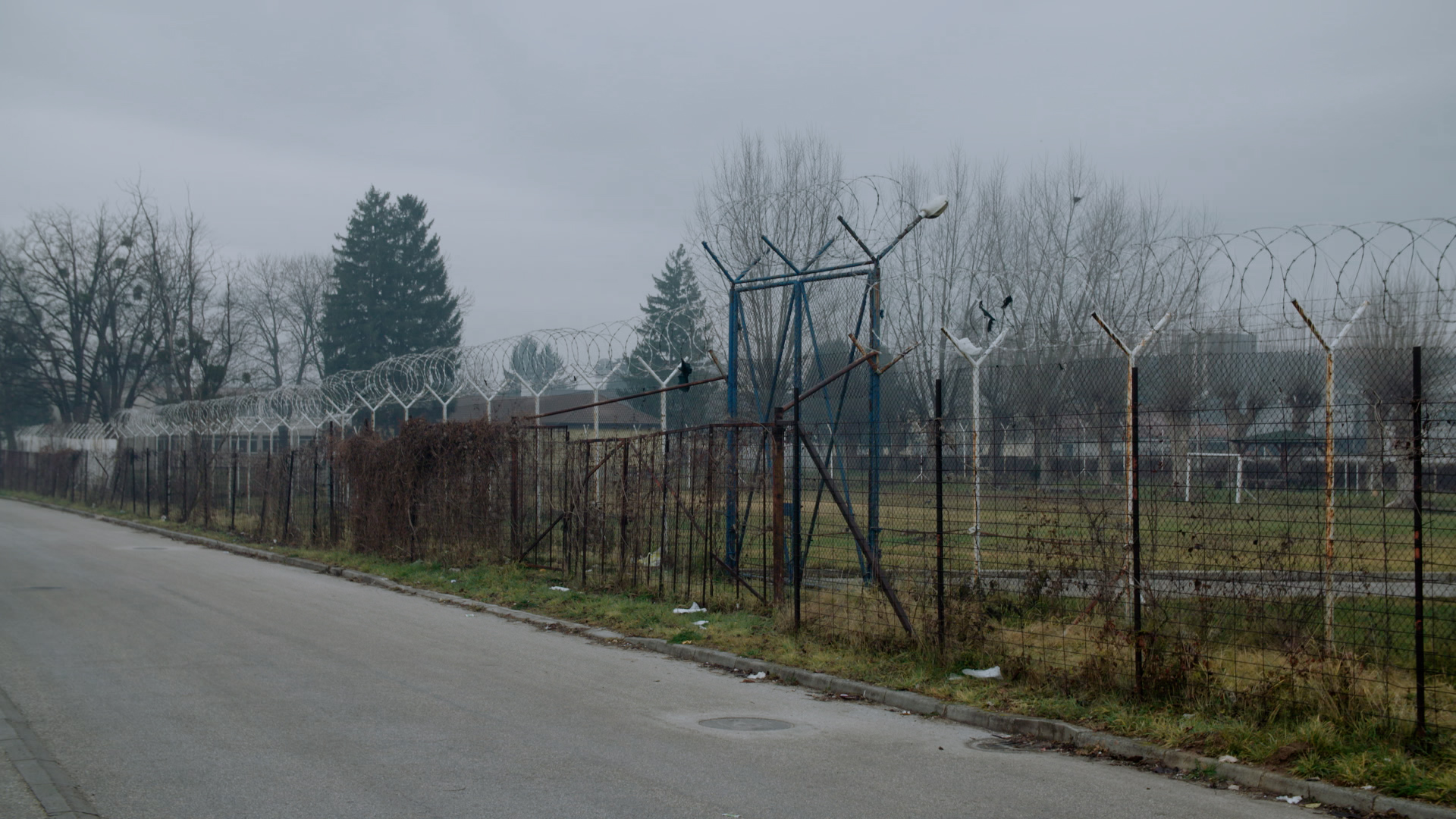
Overcrowded rooms, death by dehydration, and inhumane conditions — this is how Almin Đelilović from Hadžići describes his captivity in “Kula” near Sarajevo, where he witnessed guards forcing detainees into hard labour under shellfire. For him, the mission of finding the missing and building permanent memorials continues every day.
Almin Đelilović — Kula Prison, Sarajevo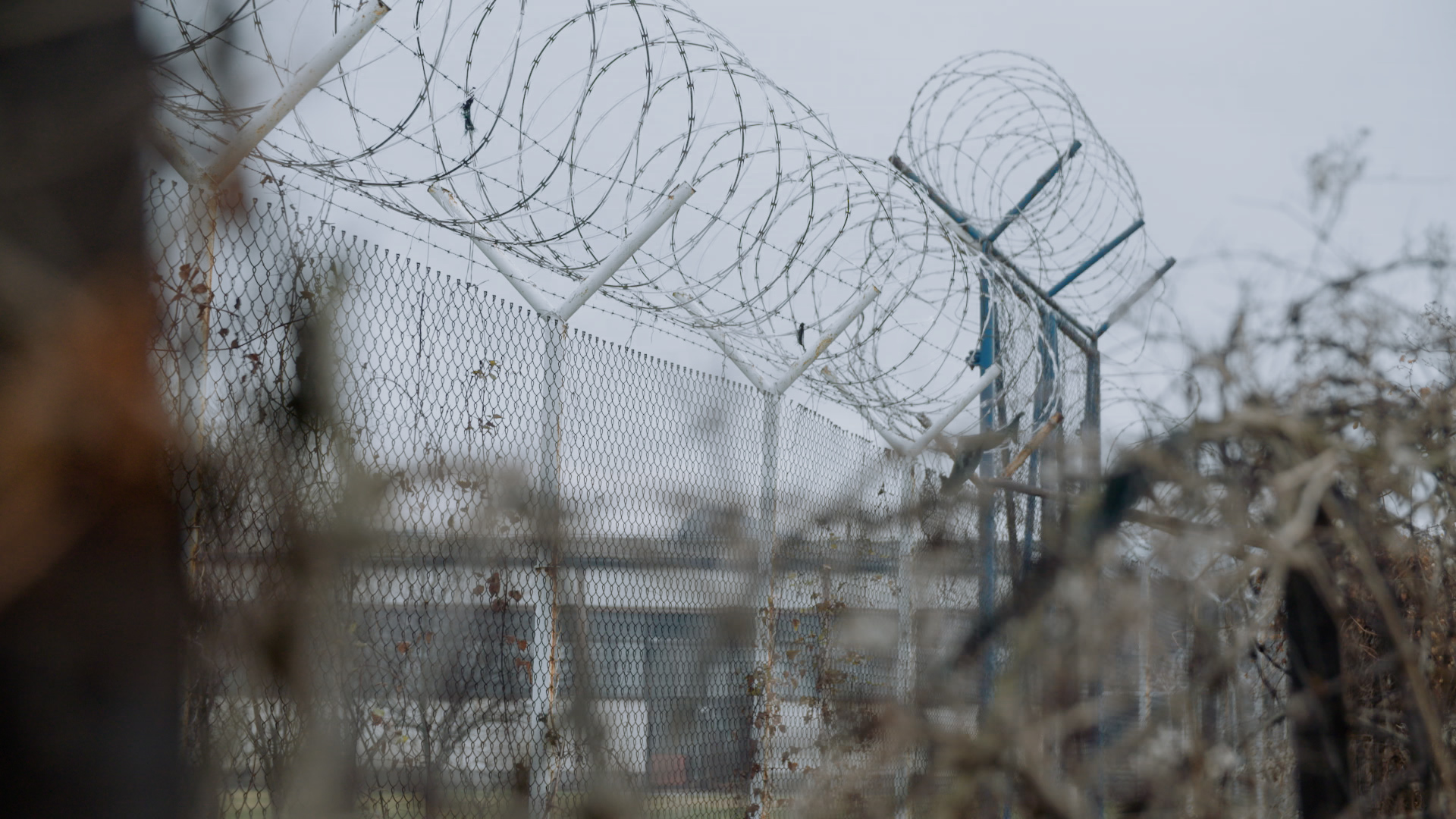
Related content

KPD Kula
Vasilja Grđića bb, 71123 Istočno Sarajevo