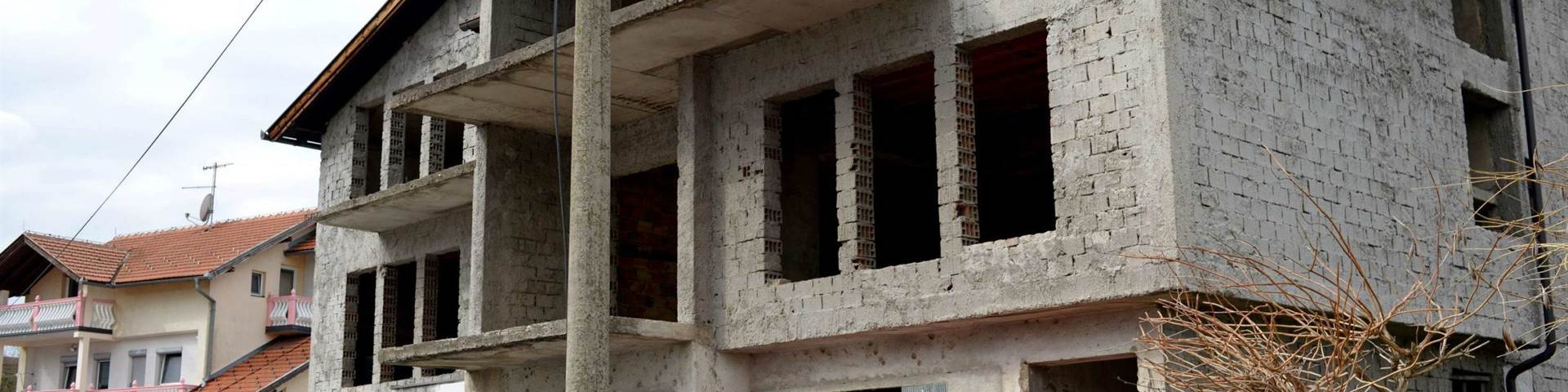
Perčin Disco
Naselje Vila bb, 74000 Doboj1992
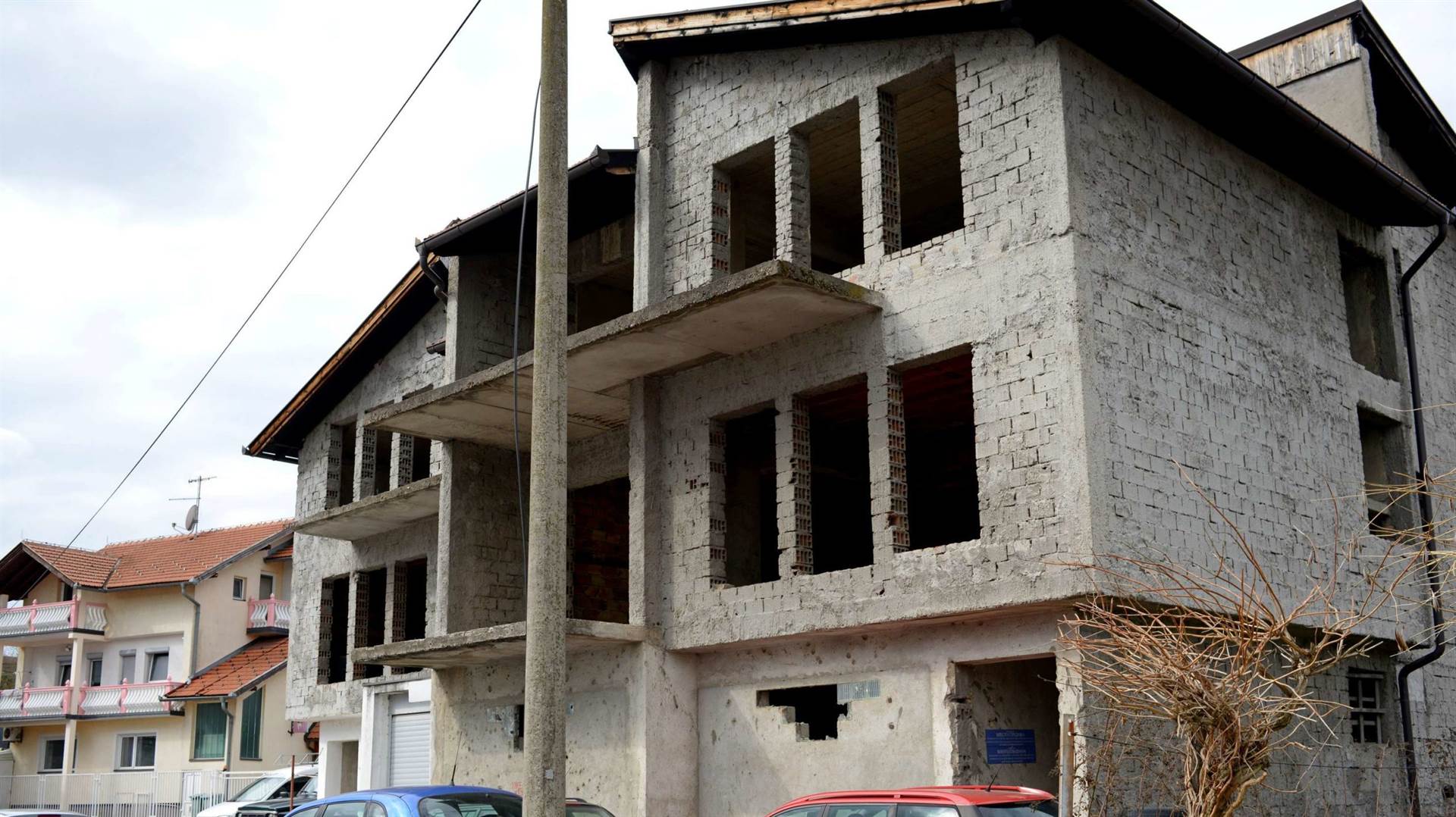
The Perčin Disco building served as a place of detention for Bosniaks and Croats from the Doboj area from spring to autumn 1992. Detainees were abused and used as human shields on front lines, where some died.
Court facts
ICTY
In March and April 1992, the Yugoslav People’s Army (JNA) set up checkpoints in the town of Doboj. (para. 339. Krajišnik, p. 127.)
On May 3, 1992, members of the Serb paramilitary, the JNA, and police took over the town of Doboj. (para. 1178. Stanišić and Župljanin, vol. I, p. 382.), (para. 340. Krajišnik, p. 127.), (paras. 242., 252. Stanišić and Simatović, first instance judgment of the ICTY, pp. 109, 118-119.)
In 1992, the Serb authorities detained civilians, mainly of Bosniak and Croat ethnicity, in more than 20 detention centres in Doboj. These included the Security Services Centre (CSB), the Doboj prison, the “4. juli” JNA barracks, a camp in Šešlija, a warehouse in Usora, the railway station, Ozren sports centre, a high school, a tire factory in Bare, a mine in Stanari, the primary school in Stanari, a handball court, Bosanka, the power line factory Rudanka, the village of Kotorsko, a hangar in Majevica, the military facility on Putnikovo Brdo, Seona, the primary school in Grapska, a shop in Piperi, a military facility in Ševarlija and in Podnovlje, and a disco in Usora. (para. 1164. Stanišić and Župljanin, vol. I, p. 378), (paras. 342-344. Krajišnik, pp. 128-129.), (para. 244. Stanišić and Simatović, first instance verdict of the ICTY, p. 114.)
In Perčin Disco, where up to 300 non-Serbs were held, detainees were ordered to jump on each other's heads from the balcony of the facility. (para 244. Stanišić and Simatović, first instance judgment of the ICTY, p. 114.)
Several detainees from Perčin Disco died in mid-July 1992 when they were used as human shields against the Army of the Republic of Bosnia and Herzegovina (ARBiH). During the exhumation of a mass grave in the village of Makljenovac, 27 bodies were discovered, including some of these detainees. (paras. 246-248. Stanišić and Simatović, first instance judgment of the ICTY, pp. 115-117.)
Court of Bosnia and Herzegovina
Perčin Disco, a pre-war disco club in the village of Vila, was turned into a detention centre where men were subjected to inhumane treatment and used as human shields. (para. 185. Predrag Kujundžić, p. 46.)
Civilians from Čivči were ordered to get into buses, which, accompanied by armed soldiers, transported them to Perčin Disco where they were imprisoned. After getting out of the vehicle they had to pass through a line of soldiers who beat them. (para. 372. Predrag Kujundžić, p. 79.)
The conditions in the facility were bad, and the detainees were subjected to abuse during their stay. (para. 372. Predrag Kujundžić, p. 79.)
On July 12, 1992, about 50 prisoners were taken from Perčin Disco to Makljenovac as human shields, during which 16 of them died. One of these men was killed as an example to the others. (paras. 375-377., 384-388. Predrag Kujundžić, pp. 80, 82.)
The bodies of three of the victims were never found. The others were exhumed in Makljenovac after the war. (para. 388. Predrag Kujundžić, p. 82.)
The hourslong abuse of detainees in Perčin Disco was recorded in the second half of July 1992. (para. 454. Predrag Kujundžić, p. 93.)
Edin Hadžović recalls the torture in the “Perčin Disco” camp and the moment when, used as a human shield, he witnessed detainees being killed at a site that still remains unmarked. Although he testified against the perpetrators at trials, he still finds it difficult to speak about the days of his detention.
Edin Hadžović — “Perčin Disco”, Doboj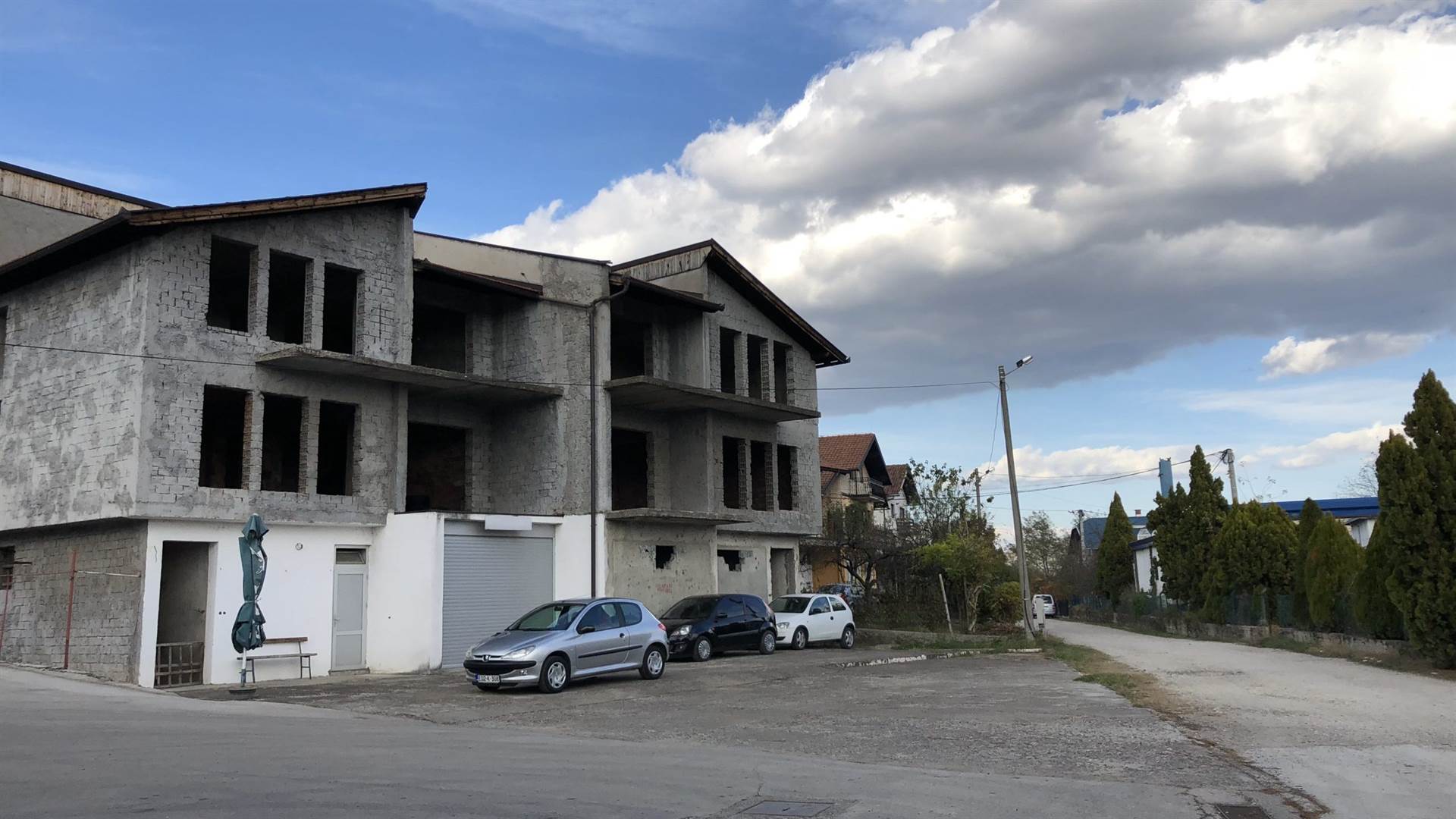
Related content

Perčin Disco
Naselje Vila bb, 74000 Doboj