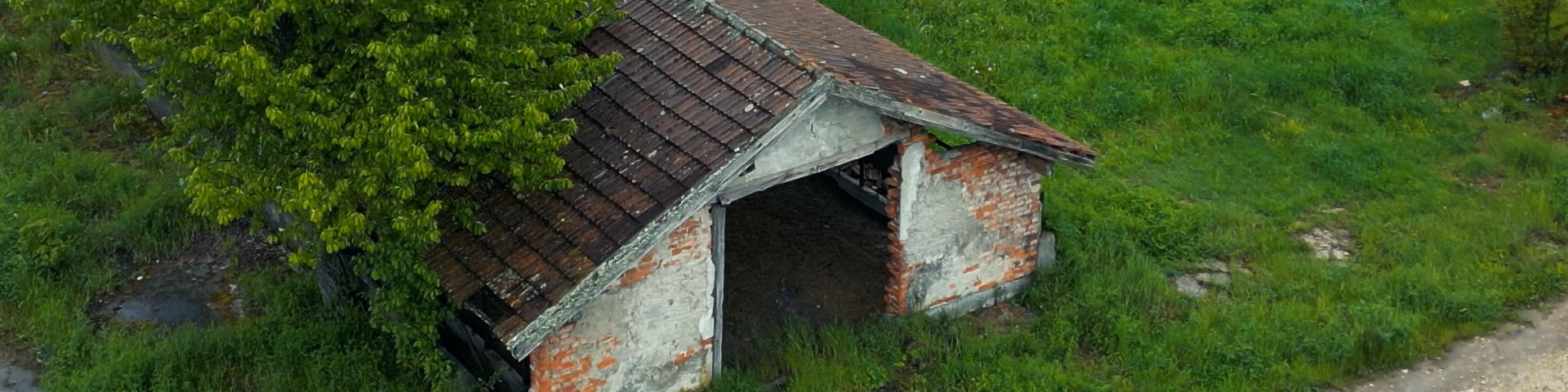
Rasadnik
Rasadnik bb, 73220 Rogatica1992. – 1996.
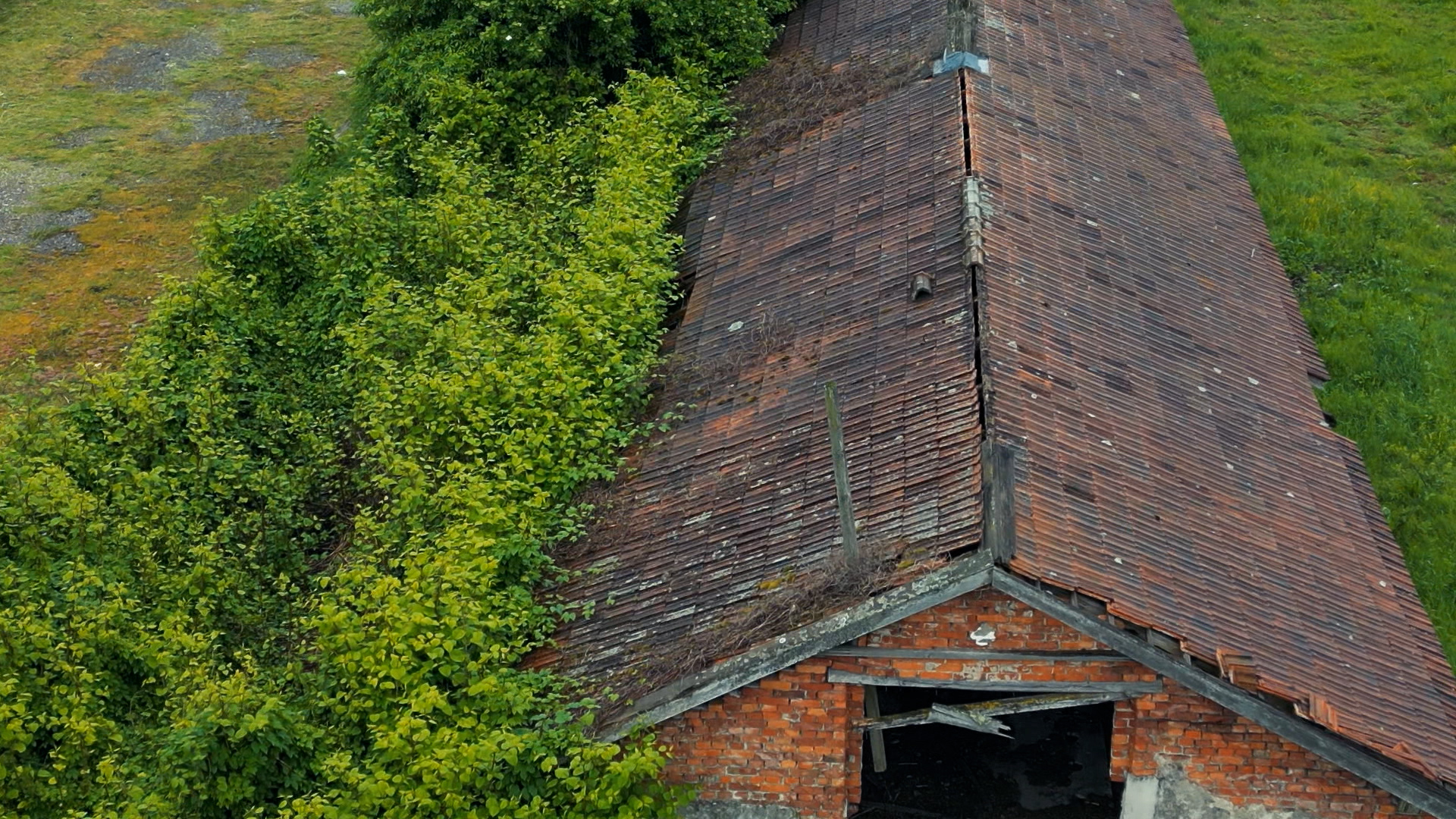
In May 1992, Serb authorities in Rogatica established a detention centre at the Rogatica agricultural estate, better known as Rasadnik, where Bosniak civilians were subjected to mental abuse, beatings and sexual violence.
Court facts
ICTY
Serb forces, starting on May 22, 1992, shelled the town of Rogatica and the surrounding villages for approximately seven days, eventually capturing the town and its surrounding villages. They ordered Bosniaks to gather in the central town square, demanded that they sign a declaration of loyalty, surrender, and move to the Veljko Vlahović High School, threatening to kill them if they did not do so. (para. 678. Krajišnik, p. 247.), (paras. 967., 982., 984. Karadžić, vol. I, pp. 385, 391-392.)
In 1992, Serb authorities detained civilians of predominantly Bosniak ethnicity in Rogatica in several detention centres. These include the Rogatica Agricultural Farm (Rasadnik), the high school, the Borike horse stables, the church hall, the Sladara malting plant, and the Secretariat of Internal Affairs (SUP) in Rogatica. (paras. 678., 680., 683. Krajišnik, pp. 247., 248.)
At the beginning of August 1992, about 20 Bosniaks who were separated from women and children at the Veljko Vlahović High School were taken to Rasadnik, where they were held in two rooms. In the middle of the month, more detainees were brought from the school. (paras. 1004-1006. Karadžić, vol. I, pp. 400-401.), (para. 1503. Mladić, vol. II, p. 787.)
Detained men and women in Rasadnik were subjected to psychological abuse, beatings, and sexual violence. (para. 1021. Karadžić, vol. I, p. 407.)
On August 15, 1992, Serb forces killed 24 Bosniaks, four of whom were minors. The victims had been taken from Rasadnik to the front line. (para. 1028. Karadžić, vol. I, p. 410.), (para. 1462. Mladić, vol. II, p. 766.)
Between the beginning of August to the beginning of November 1992, two detainees in Rasadnik were beaten to death. (para. 1470. Mladić, volume II, p. 769.)
Between December 1992 and April 1994, several more detainees were killed in Rasadnik. (para. 1471. Mladić, volume II, pp. 769-770.)
Detainees from the Rasadnik camp were given orders to do work, such as digging trenches, and were also used as human shields, and on one occasion two of them were wounded. (paras. 1547-1548. Mladić, vol. II, p. 804.)
On May 6, 1993, the UN Security Council adopted Resolution No. 824, which declared Žepa and Goražde as protected zones. (para. 95. Popović et al., vol. I, p. 28.)
In March 1995, shelling of the outskirts of Žepa resumed, and in June 1995, heavy shelling began, leading to civilian casualties. (para. 666. Popović et al., p. 268.)
The Army of Republika Srpska’s attacks on Žepa continued on July 20, 1995. The attacks became increasingly fierce and the shelling of Žepa intensified until July 24, with the centre of the enclave being the most heavily targeted. (para. 625. Tolimir, p. 291.), (para. 696. Popović et al., vol. I, p. 283.)
Although no agreement was reached on the fate of able-bodied men from Žepa, the transport of Bosniak civilians from Žepa began on July 25, 1995 and continued until July 27, 1995. (para. 640. Tolimir, p. 297.), (paras. 710-719. Popović et al., vol. I, pp. 290-295.)
The last convoy, which included both civilians and wounded, and which headed towards Rogatica and Kladanj, was stopped at the OP-2 observation post on Bokšanica on July 27, 1995. Representatives of the Bosniak population who had participated in negotiations were taken off the bus and arrested, and under pressure they had to sign a "capitulation agreement," because the last convoy was not allowed to continue until they accepted the capitulation. They were taken to the Borike hotel and the convoy was allowed to continue towards Kladanj. (paras. 654-659. Tolimir, pp. 305–307.), (paras. 728-730. Popović et al., vol. I, pp. 299-302.)
The convoy was stopped in Luka, near Tišće, where 12 wounded men were ordered to transfer to another bus, which was facing the opposite direction, and where they were joined by 28 other elderly men, who had been taken off the buses that had been travelling on the night of July 26, 1995. All these men were transported to Rasadnik near Rogatica. (para. 659. Tolimir, p. 307.), (para. 720. Popović et al., pp. 295-296.)
Representatives of the Bosniak population of Žepa who participated in the negotiations were also brought to Rasadnik from the Borike hotel. The prisoners were beaten by police officers at night in Rasadnik. Two representatives of the Bosniak population of Žepa were taken from Rasadnik in mid-August 1995 and never returned. Their remains were found, along with 10 other bodies, in a grave in Vragolovi, not far from Rogatica. (para. 664-665. Tolimir, pp. 309-310.), (para. 730. Popović et al., vol. I, pp. 301-302.)
Court of Bosnia and Herzegovina
A detention centre for non-Serbs was established in the premises of the former agricultural estate Rasadnik. (para. 85. Brane Planojević, pp. 25-26.), (Radisav Ljubinac, pp. 27, 2.)
From the end of June to October 1992, Bosniaks detained in the camp of the then agricultural estate Rasadnik were beaten. (Radisav Ljubinac, pp. 27-30, 2.), (paras. 92-93., 181-187. Brane Planojević, pp. 27, 43-44.)
At least four detained civilians from Rasadnik were killed, and one prisoner of war, a member of the Army of the Republic of Bosnia and Herzegovina, was also killed. (paras. 94-129., 220-228. Brane Planojević, pp. 27-33, 51-53.)
A female prisoner was raped in Rasadnik in May 1993. (paras. 164-173. Brane Planojević, pp. 40-42.)
Detainees in Rasadnik were also tortured during September 1995. (paras. 216-217. Oliver Krsmanović, pp. 54, 6.)
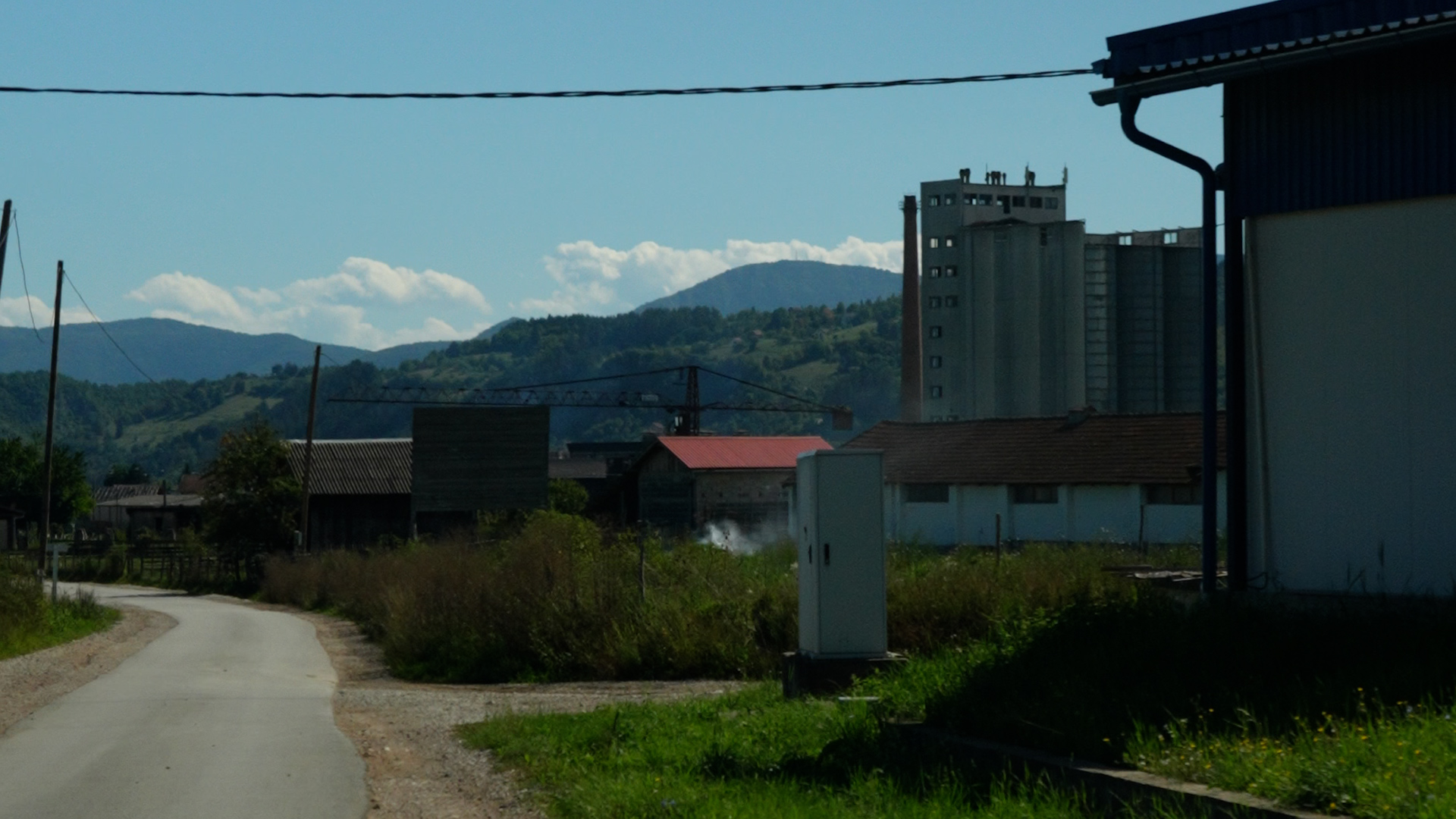
While searching for the remains of his two brothers, Nazif Zimić documented abuses at the “Rasadnik” camp, where people were tortured and killed throughout the war. He finds it devastating that the meadows around Rasadnik contain no sign indicating the locations of executions and the burning of bodies.
Nazif Zimić — “Rasadnik”, Rogatica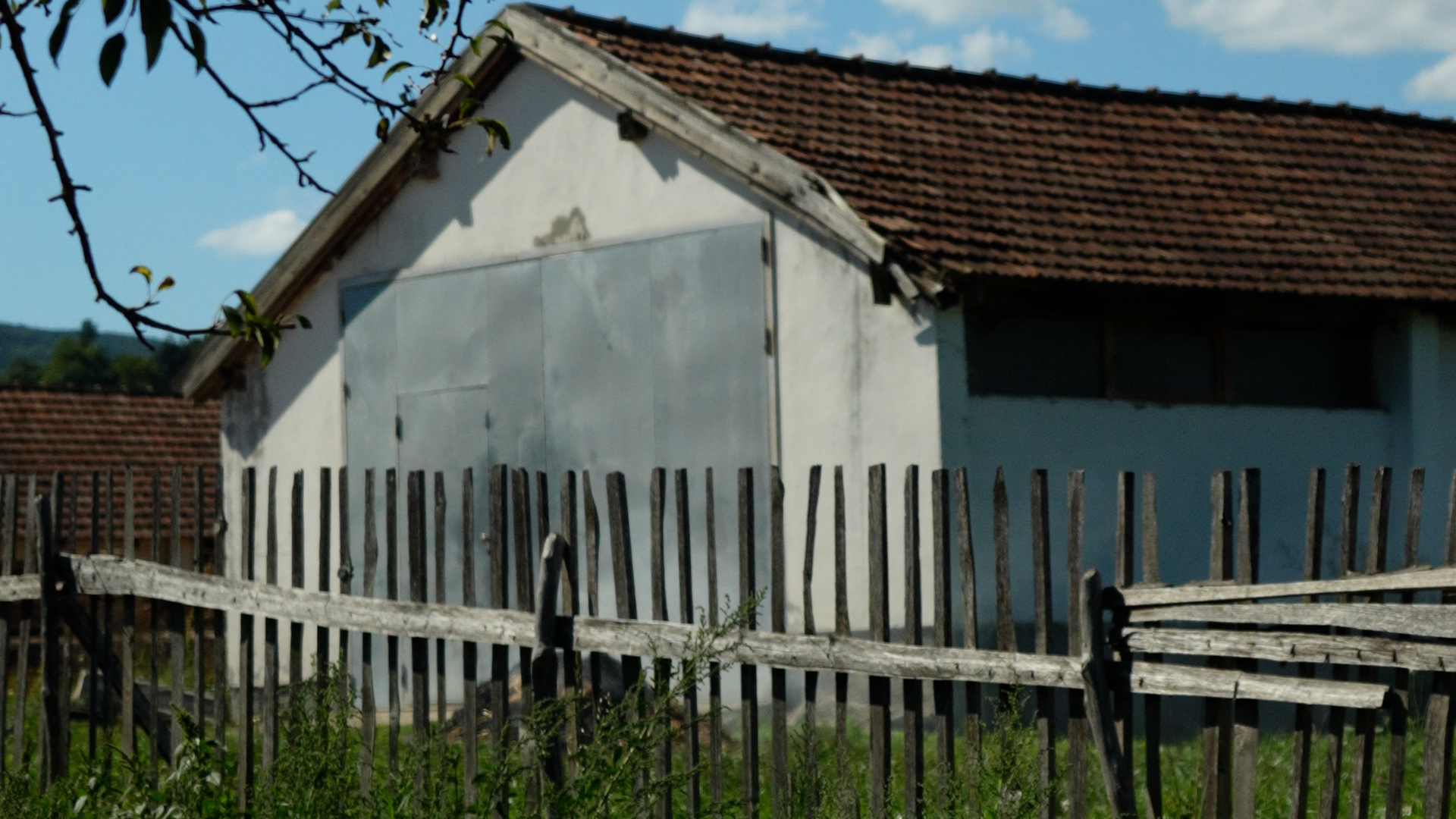
Related content

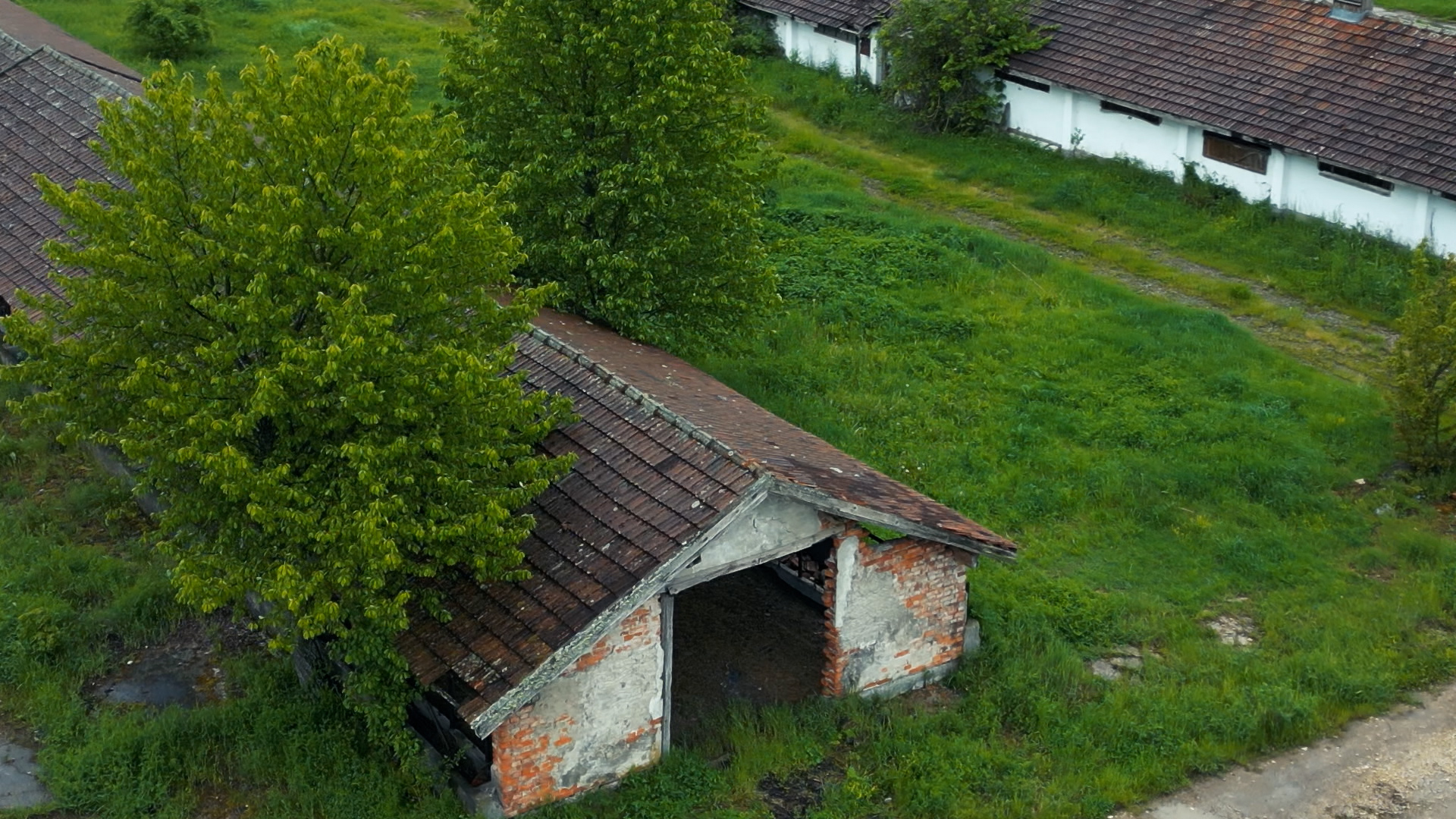
Rasadnik
Rasadnik bb, 73220 Rogatica