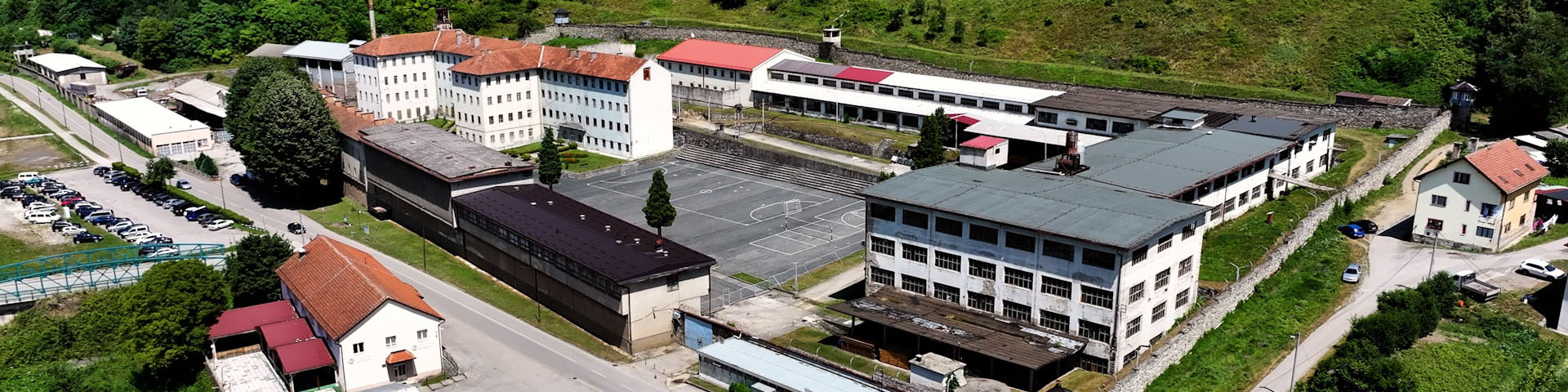
The Foča Penal and Correctional Facility
Studentska 2, 73300 Foča1992. – 1994.
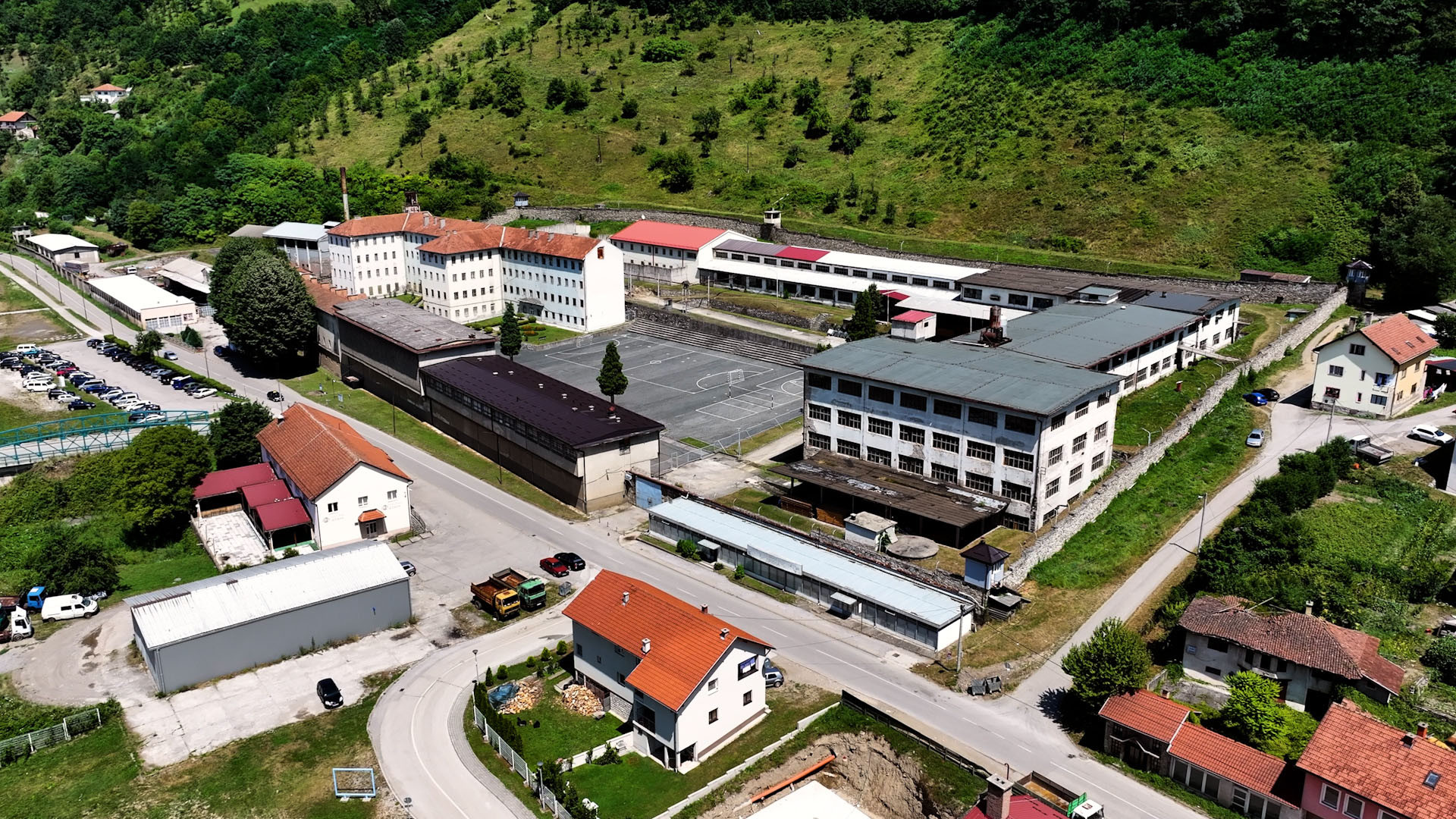
The Foča Penal and Correctional Facility is one of around 20 detention facilities in Foča in which Serb authorities detained civilians, predominantly Bosniaks, in 1992. Many detainees were tortured or beaten and some remain missing.
Court facts
ICTY
The political and military takeover of the Foča Municipality began on April 8, 1992 when Serb forces shelled the town of Foča. Serb forces shot and shelled settlements with a majority Bosniak population, such as Donje Polje, or with a mixed population, such as Čohodor Mahala. The capture of Foča was completed by mid-April 1992. (para. 18. Zelenović, pp. 7-8.), (para. 20. Krnojelac, pp. 9-10.), (para. 21. Kunarac et al., p. 13.), (para. 627. Krajišnik, p. 229.), (paras. 855-856. Karadžić, vol. I, pp. 332-333.)
The Bosniak and other non-Serb population was systematically targeted in raids, civilians were often treated cruelly, beaten, and sometimes killed. (para. 19. Zelenović, p. 8.), (para. 628. Krajišnik, pp. 229-230.)
Men and women were separated and transferred to various detention facilities, such as schools, community facilities, and the Foča prison, where they were subjected to humiliating and degrading treatment. (para. 19. Zelenović, p. 8.)
The village of Jeleč near Miljevina was shelled, attacked with infantry, and then taken by Serb forces in early May. The residents who remained in their homes were killed and other male residents of this village were captured and detained in the barracks in Kalinovik and Bileća and then transferred to the prison in Foča. (para. 24. Krnojelac, p. 11.), (para. 635. Krajišnik, pp. 231-232.), (paras. 868-869. Karadžić, vol. I, pp. 338-339.)
In 1992, the Serb authorities detained civilians, predominantly of Bosniak nationality, in more than 20 detention centres in Foča. These included a warehouse in Livada, the KP Dom, the hospital in Foča, the police station in Miljevina, the “Brioni” isolation cells in the Foča prison, the house of Slobodan Matović, the penitentiary in Velečevo, the “Brod na Drini” Elementary School, the military warehouse in Čohodor Mahala, a house in Trnovača, the house of Munib Hodžić, Presejeka near Ustikolina, the apartment of Asim Džanko in the village of Donje Polje, houses in the village of Điđevo, Karaman's house in Miljevina, the Lepa Brena building in Foča, a house near the Zelengora hotel, the Partizan Sports Hall, the high school centre in Foča, Buk Bijela, and Bukovica. (paras. 628., 637., 638., 640., 641., 648. Krajišnik, pp. 230, 232, 233, 234, 237.)
Between April 14 and 17, 1992, Bosniak civilians from other parts of Foča were arrested and detained in the military warehouses of the Territorial Defence in Livade. (para. 38. Krnojelac, p. 15.), (para. 628. Krajišnik, pp. 229-230.), (paras. 876., 879. Karadžić, vol. I, pp. 340-341.)
All the men detained in Livade, of whom there were approximately 80 to 100 in the hangars, were transferred on April 17 to KP Dom, which had served as a prison before the conflict. (para. 40. Krnojelac, p. 16.), (paras. 876., 878. Karadžić, vol. I, pp. 340-341.)
The detainees were brought to KP Dom from the Velečevo prison at the end of April 1992. (para. 881. Karadžić, vol. I, p. 342.)
A group of approximately 20 Bosniaks who had fled Foča were arrested in Montenegro and taken to KP Dom in May 1992. A few days later more civilians from the town and surrounding villages were brought to the facility. (para. 881. Karadžić, vol. I, p. 342.)
Hundreds of Bosniak men, as well as several other non-Serb civilians, were detained at KP Dom without being charged with any crime, and from the cessation of fighting until the end of 1994, at any given time, several hundred men were held there for periods ranging from four months to more than two and a half years. (para. 41. Krnojelac, p. 16.), (para. 26. Kunarac et al., p. 16.), (para. 642. Krajišnik, pp. 234-235.), (para. 883. Karadžić, vol. I, pp. 343-344.), (para. 635. Mladić, vol. I, pp. 329-330.)
Many detainees were subjected to beatings and other forms of abuse. (para. 46. Krnojelac, p. 17.), (para. 647. Krajišnik, p. 236.), (paras. 899-900. Karadžić, vol. I, p. 353.)
Detainees were deliberately housed in cramped conditions and up to 18 people were crammed into each cell, which were designed for one person at a time. (para. 135. Krnojelac, p. 61.), (para. 641. Mladić, volume I, p. 333.), (para. 646. Krajišnik, p. 236.)
The guards of KP Dom, soldiers or police, regularly took detainees out of their rooms or cells for questioning, and many of them were beaten or abused in other ways. (para. 238. Krnojelac, p. 90.), (para. 900. Karadžić, vol. I, pp. 353-355.), (para. 609. Mladić, vol. I, p. 317.), (para. 647. Krajišnik, p. 236.)
Detainees were beaten by KP Dom guards and by outsiders. (para. 317. Krnojelac, p. 115.), (para. 647. Krajišnik, p. 236.)
It was established that more than 200 detainees were killed in KP Dom either after being taken out of prison, or as a result of beatings. At least 36 people were killed during June and July 1992, and in mid-September 1992 another 35 detainees were taken out and killed. Around 60 bodies of detainees were found in a grave on Mount Maluša. (para. 647. Krajišnik, pp. 236-237. Krajišnik), (paras. 910-911. Karadžić, volume I, p. 360.), (paras. 610., 624., 626-628. Mladić, volume I, pp. 317, 324-325.), (para. 339. Krnojelac, pp. 124-126.)
The murders were carried out by members of the army who came to KP Dom from the outside and prison guards, employees of the Ministry of Justice. (para. 626. Mladić, volume I, pp. 324-325.)
Some of the detainees were taken from KP Dom to perform forced labour. (para. 647. Krajišnik, p. 236.), (paras. 902-903. Karadžić, vol. I, pp. 355-356.), (para. 708, Mladić, vol. I, pp. 363-364.)
About 20 young men were taken for exchange at the end of August 1992. No one ever saw them again. (para. 650. Krajišnik, p. 238.)
Court of Bosnia and Herzegovina
Men began to be transferred to the Foča KP Dom in mid-April 1992, and most of them were severely beaten during their arrest. (Mitar Rašević and Savo Todović, p. 44.)
During June 1992, several civilians were beaten, mentally abused, and taken from the village of Rataje. Some of them ended up in the Foča KP Dom. (Second-instance verdict of Neđo Samardžić, p. 2.)
The Foča KP Dom was a camp in which at least 700 non-Serbs, largely Bosniaks, were illegally detained. (Mitar Rašević and Savo Todović, pp. 2, 73.)
During their stay in KP Dom, some of the detainees were beaten. Some managed to escape after several days in isolation. (Mitar Rašević and Savo Todović, pp. 2-3, 53-58, 60-63.)
From June to August 1992, detainees were beaten with batons, sticks, and fists, resulting in at least 18 detainees dying or being shot. (Mitar Rašević and Savo Todović, pp. 3, 65-69.), (Momčilo Mandić, pp. 137-138, 141-142.)
Some detainees died of illness while imprisoned in KP Dom, some in the Foča hospital. The medical care they received was inadequate. (Mitar Rašević and Savo Todović, p. 79.)
From May 1992 until the departure of the remaining detainees in October 1994, detained non-Serb civilians were forced to work at locations inside and outside KP Dom, including at the mine in Miljevina (Mitar Rašević i Savo Todović, pp. 4, 86-90, 93.), (Momčilo Mandić, pp. 135.)
Individuals were selected for exchange and on several occasions used as mine-detecting drivers by vehicles driving in front of Serb convoys. (Mitar Rašević and Savo Todović, pp. 4, 95.)
Between 35 and 60 detainees were taken out of the KP Dom compound in mid-September 1992, allegedly to pick plums. They were taken in an unknown direction, after which they were never seen again. (Mitar Rašević and Savo Todović, pp. 5, 107.)
It has been concluded that between June 1992 and March 1993, at least 200 non-Serb detainees were taken from KP Dom to an unknown location. The remains of some of them were exhumed from mass graves at the mine in Miljevina. (Mitar Rašević and Savo Todović, pp. 5-7, 110.), (Momčilo Mandić, pp. 7-9, 135.)
From July 1993 to October 1994, prisoners from KP Dom were transferred to detention facilities in Kalinovik, Rudo, and the KP Dom “Kula”. (Mitar Rašević and Savo Todović, pp. 4-5, 99-102.)
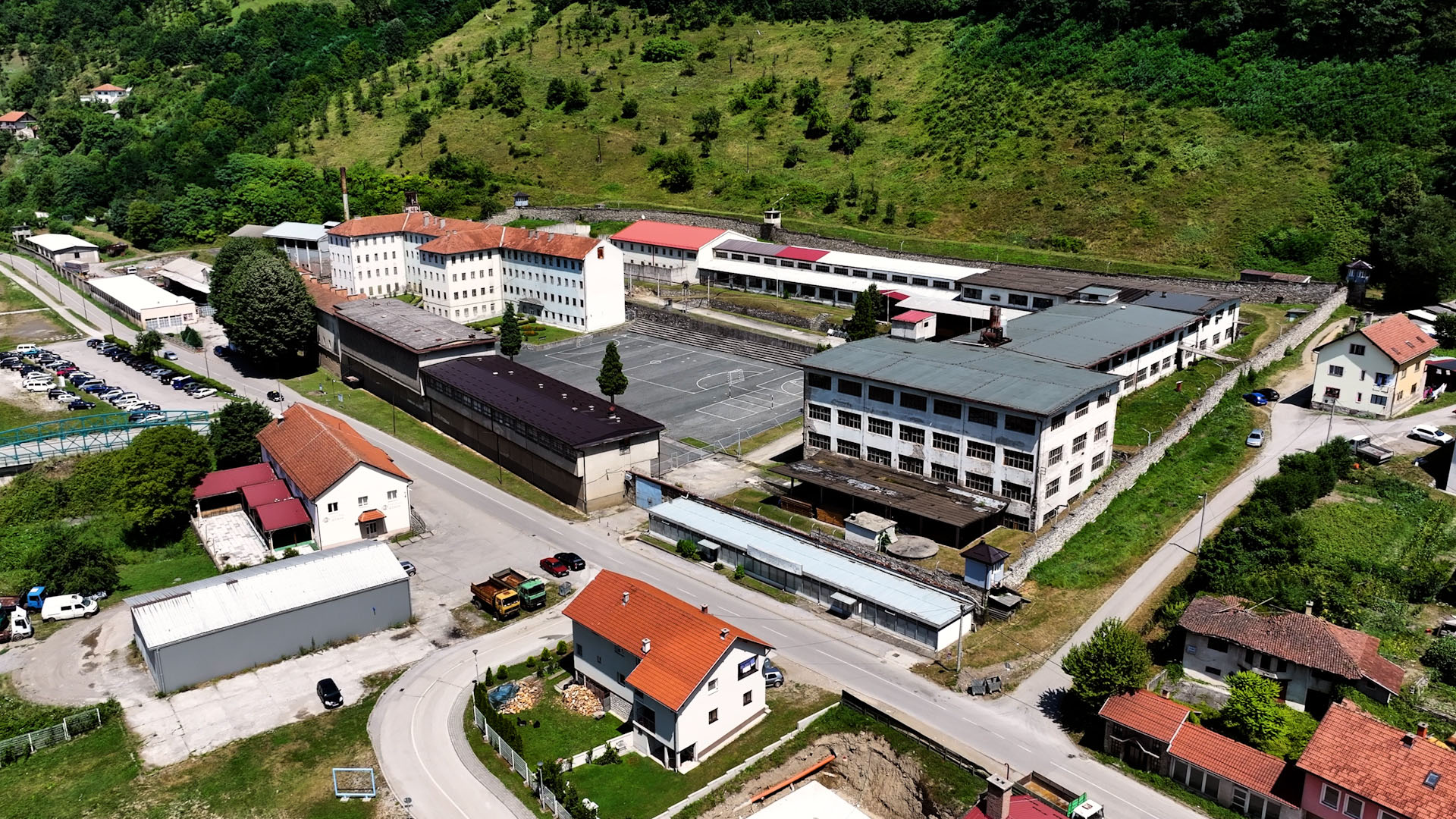
The 317 days Dževad spent in Foča Penitentiary stand as a monument in themselves to the crimes he survived and to the memory of fellow citizens who never returned from interrogation in this camp. He still hopes that one day a real memorial will be built at the crime scene in Foča — a witness that does not disappear.
Dževad Lojo — Foča Penitentiary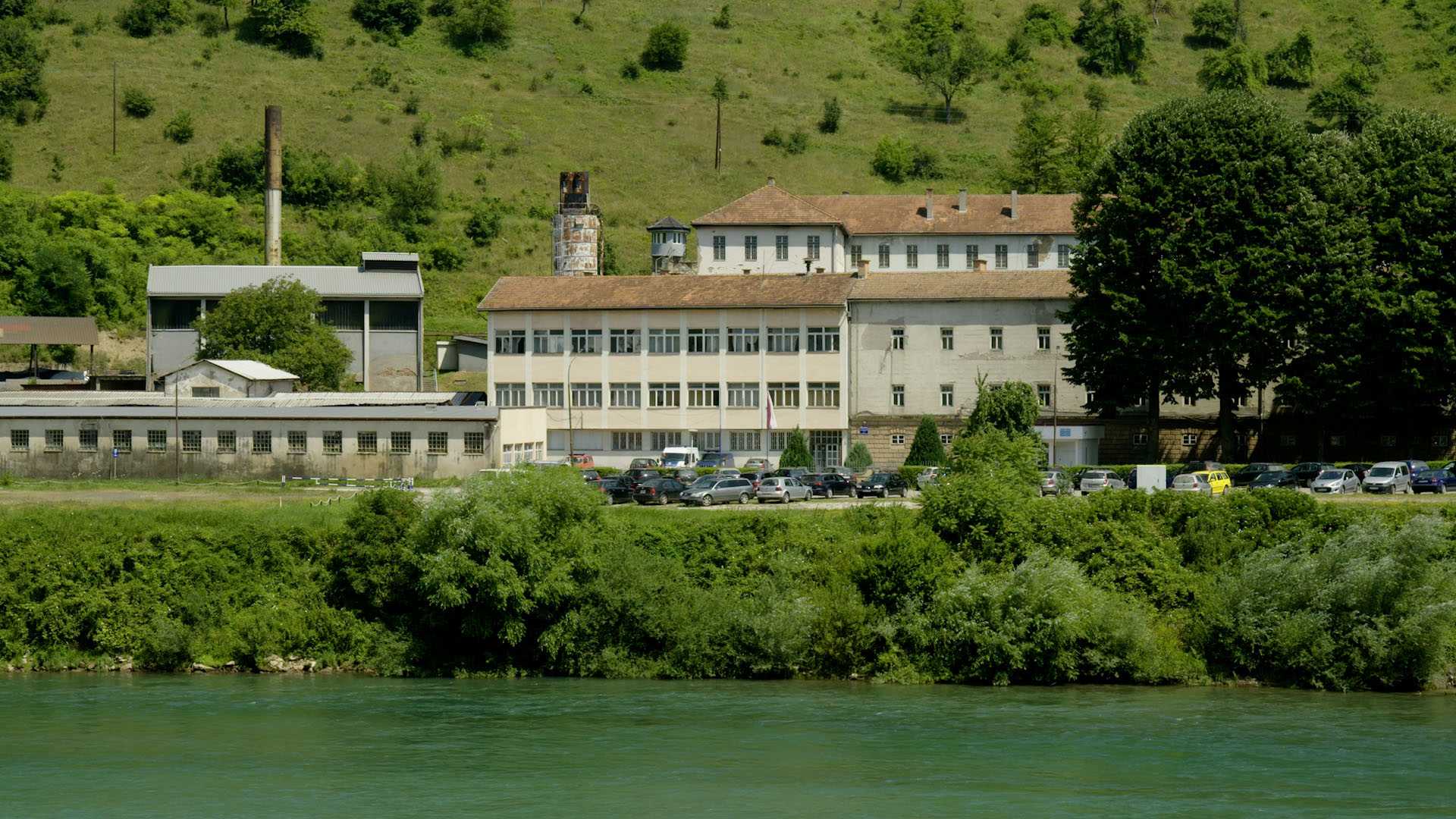
Related content

The Foča Penal and Correctional Facility
Studentska 2, 73300 Foča