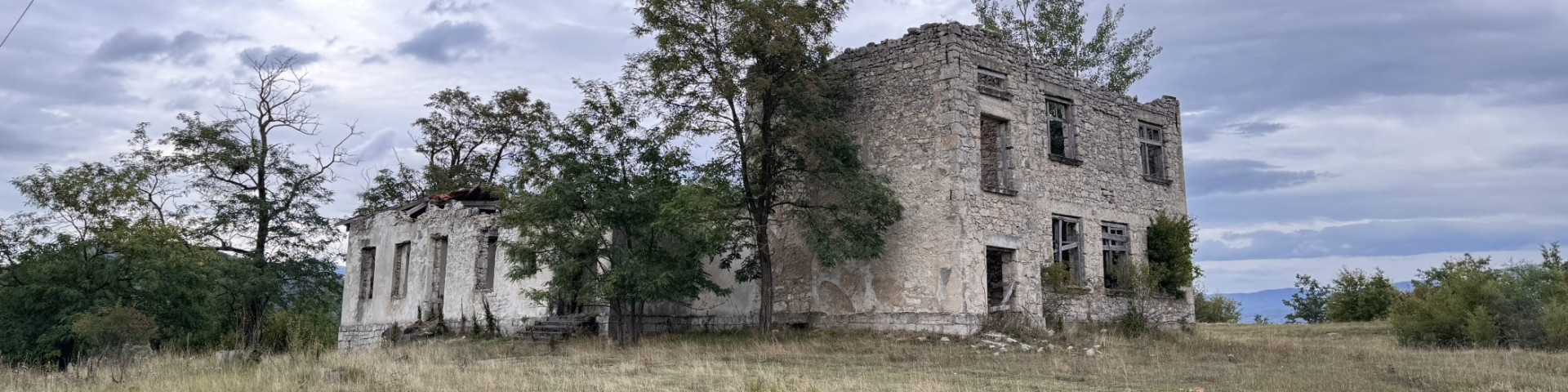
Kamenica
Kamenica bb, 80260 Drvar1992. - 1995.
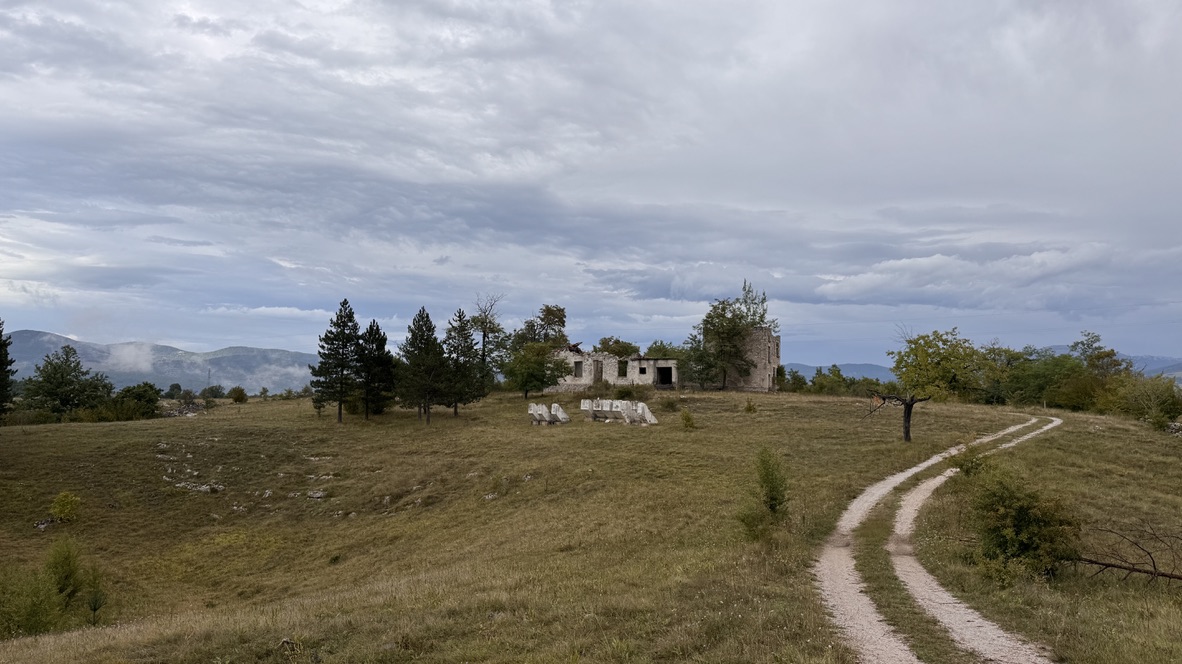
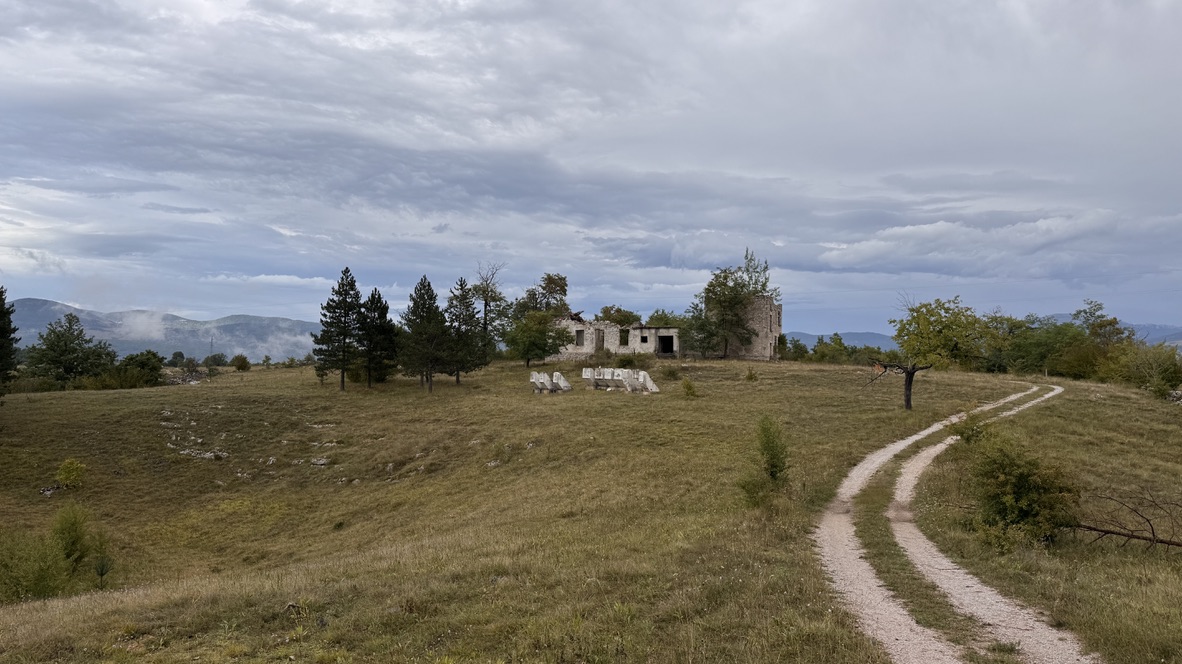
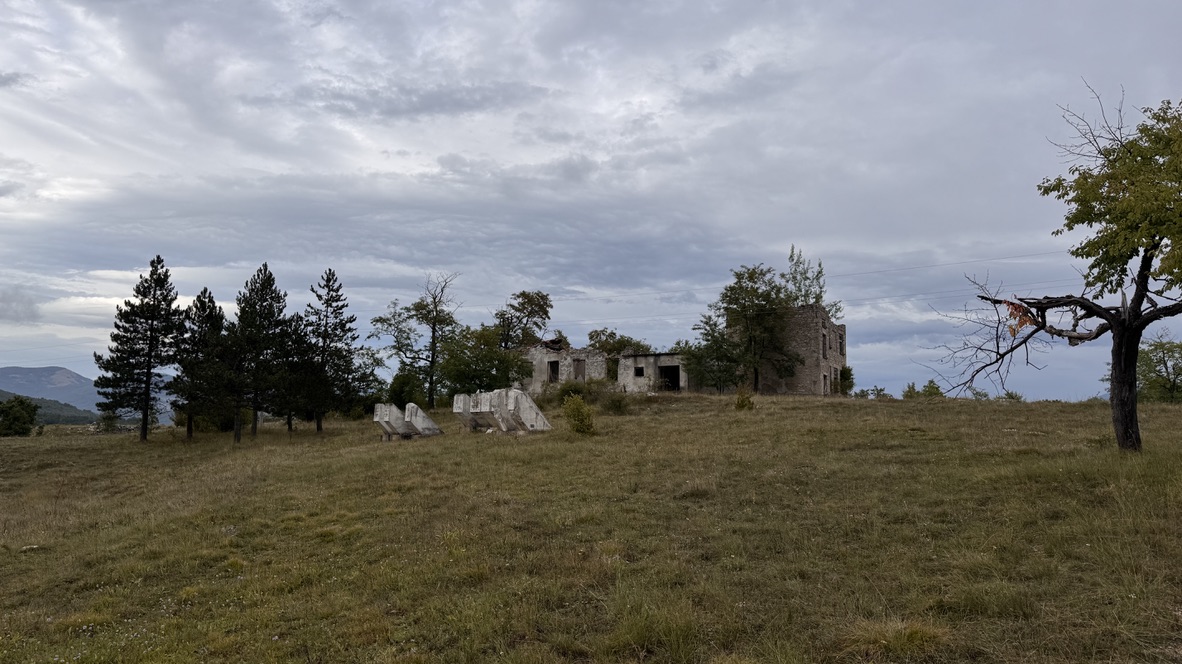
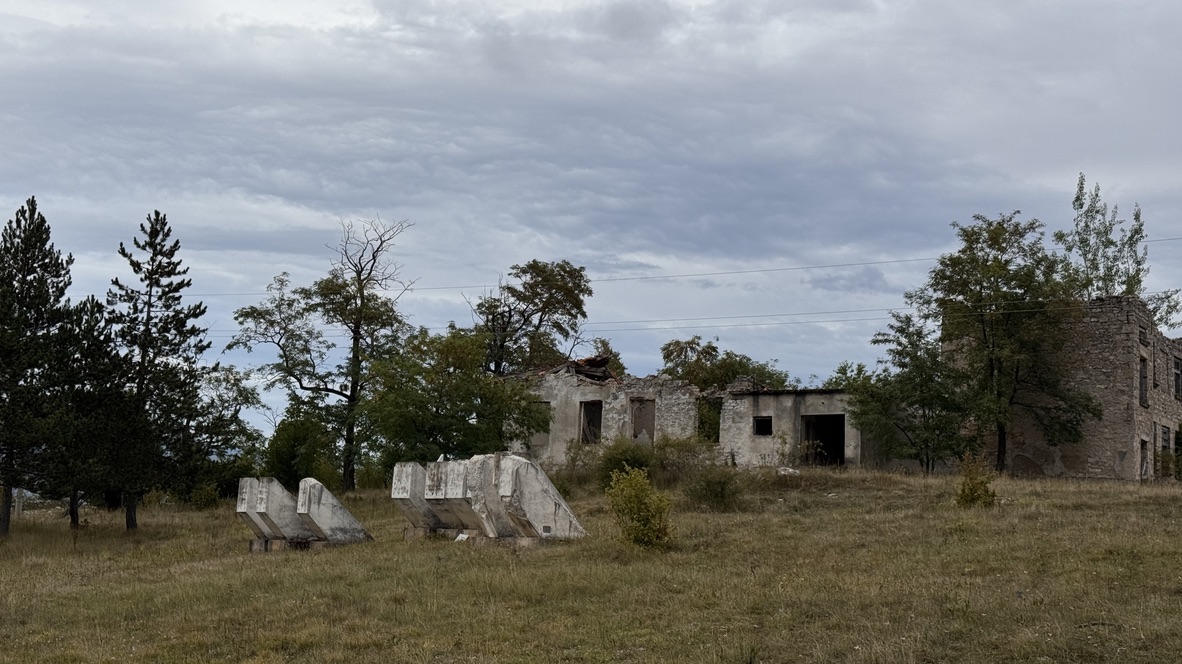
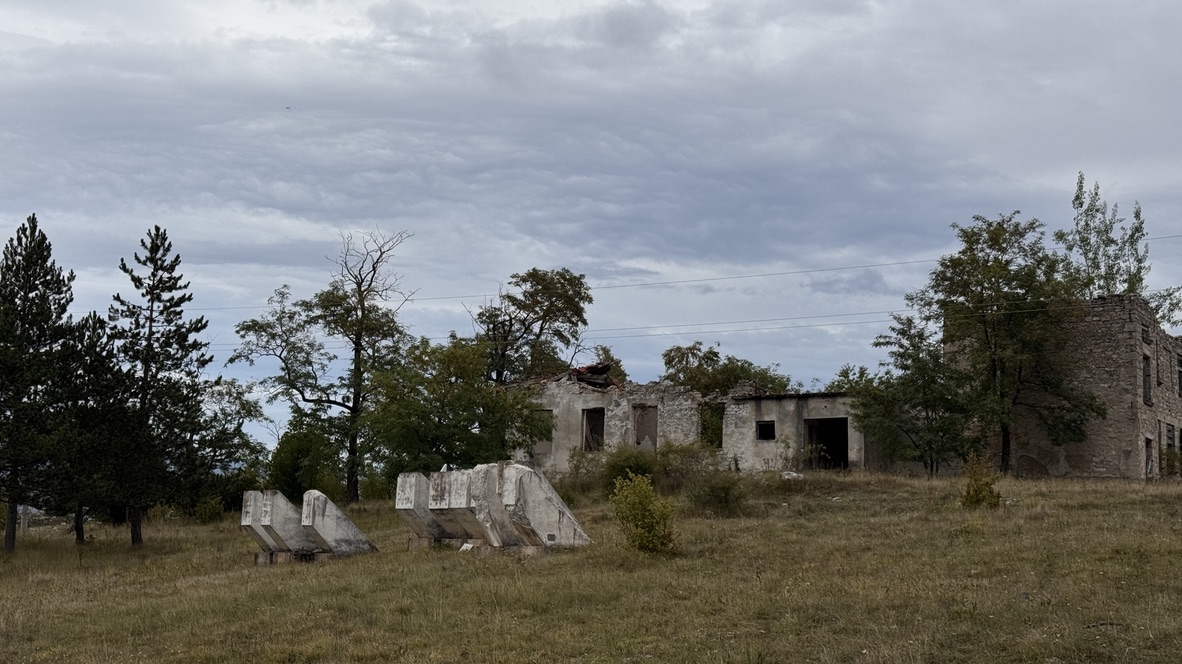
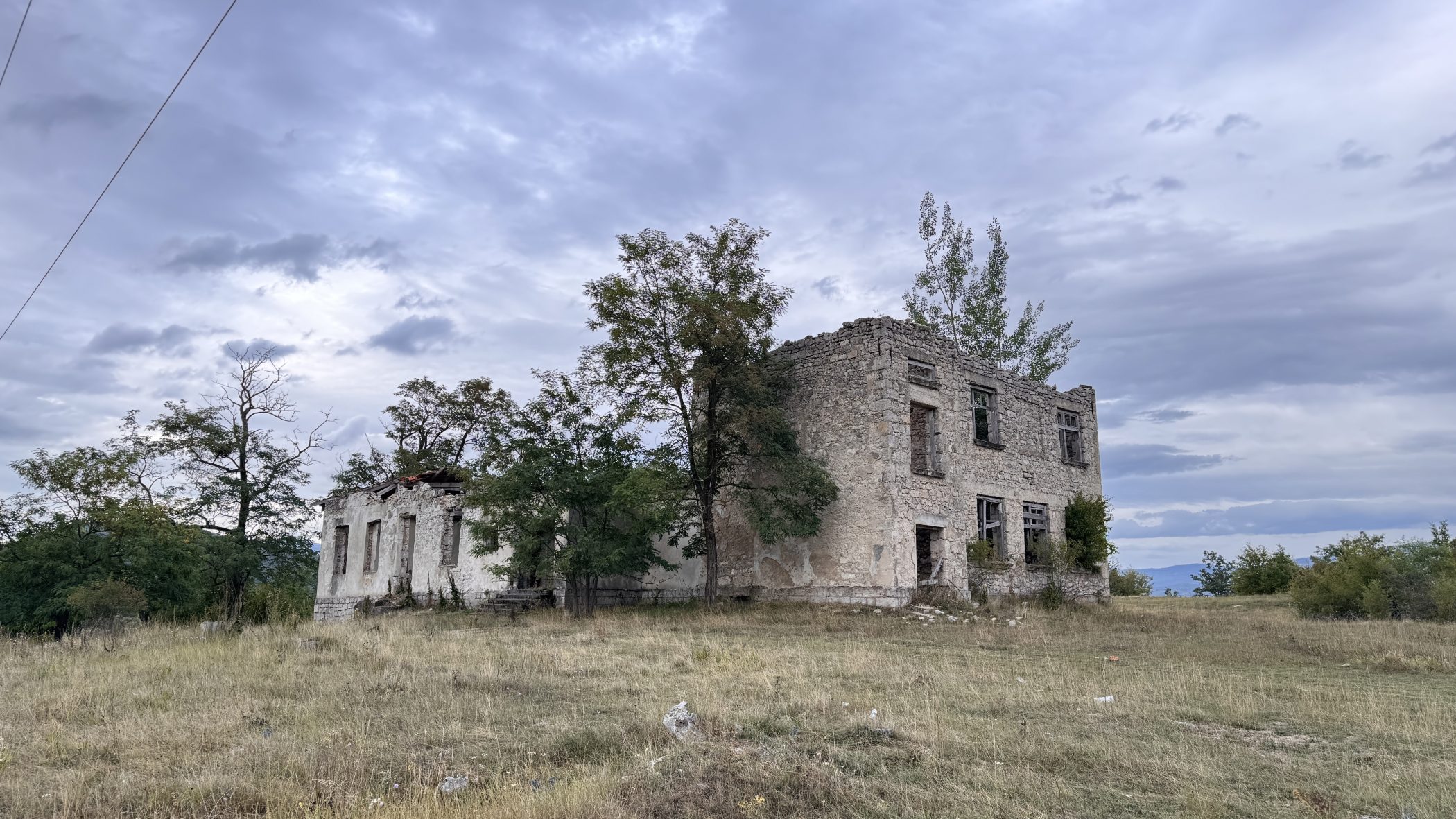
This is just one of the many educational institutions that were turned into places where Croat and Bosniak civilians and soldiers were detained from 1992 to 1995. Detainees at the elementary school in Kamenica, near Drvar, were beaten, abused and subjected to forced labour.
Court facts
ICTY
In early August 1992, approximately 16 detainees from the Kozila lumber warehouse were transferred to a camp in Kamenica, in the municipality of Titov Drvar. In the following days approximately 70 Bosniaks from Bosanski Petrovac, Kulen-Vakuf, and Bosanska Krupa, and one Croat, were detained there. (para. 778. Brđanin, pp. 258-259.)
The detainees in Kamenica were beaten by the guards with batons and fists, and had to prepare firewood, dig trenches, and build a fence around the camp. (para. 780. Brđanin, p. 259.)
The detainees were held in that camp until November 3, 1992, when the International Committee of the Red Cross organised an exchange for most of them. (para. 778. Brđanin, pp. 258-259.)
Court of Bosnia and Herzegovina
Before the Kamenica prison was established in August 1992, prisoners were held in a detention unit in the Slavko Rodić Elementary School. (para. 204. Ratko Dronjak, p. 47.)
Arrested Bosniak and Croat civilians from the areas of Kulen-Vakuf, Ključ, Sanski Most, and Kupres were held in the substandard premises of the Slavko Rodić Elementary School and subjected to abuse. (para. 223. Ratko Dronjak, pp. 50-51.), (Dragan Rodić, p. 18.)
On a daily basis, detained civilians were taken for questioning and beaten in such a way that at least five unidentified civilians died as a result of such physical abuse, after which their dead bodies were put in a van and taken to an unknown destination. (paras. 225-239. Ratko Dronjak, pp. 51-55.), (Dragan Rodić, p. 2.)
At least five civilian prisoners, with one military policeman, were put in a van and taken to the bridge over the Unac River, in the village of Bastasi, after which they were taken to the riverbank where one unidentified person was killed. This victim’s body was left in the infirmary upon return to Drvar. The other beaten detainees were returned to prison. (Dragan Rodić, p. 3.)
After several days of beatings, seven prisoners were put in a van and taken in the direction of Pasjak, where they were killed and then thrown into “Gigića Pit”, known as “Golubnjača”, in Drvar. (paras. 235-239. Ratko Dronjak, pp. 51-55.), (Dragan Rodić, p. 3.)
It was established that a system of abusing detainees was established in the Slavko Rodić school. The camp only became fully operational after it was moved to the school premises in Kamenica. (para. 534. Ratko Dronjak, p. 131), (Dragan Rodić, pp. 16, 20.)
Special rooms were set up in Pasjak where the International Committee of the Red Cross organised a visit to the detainees from Kamenica. The aim of the special rooms was to mislead the Red Cross regarding the detainees’ conditions. (para. 210. Ratko Dronjak, p. 48.), (para. 210. Ratko Dronjak, p. 47.)
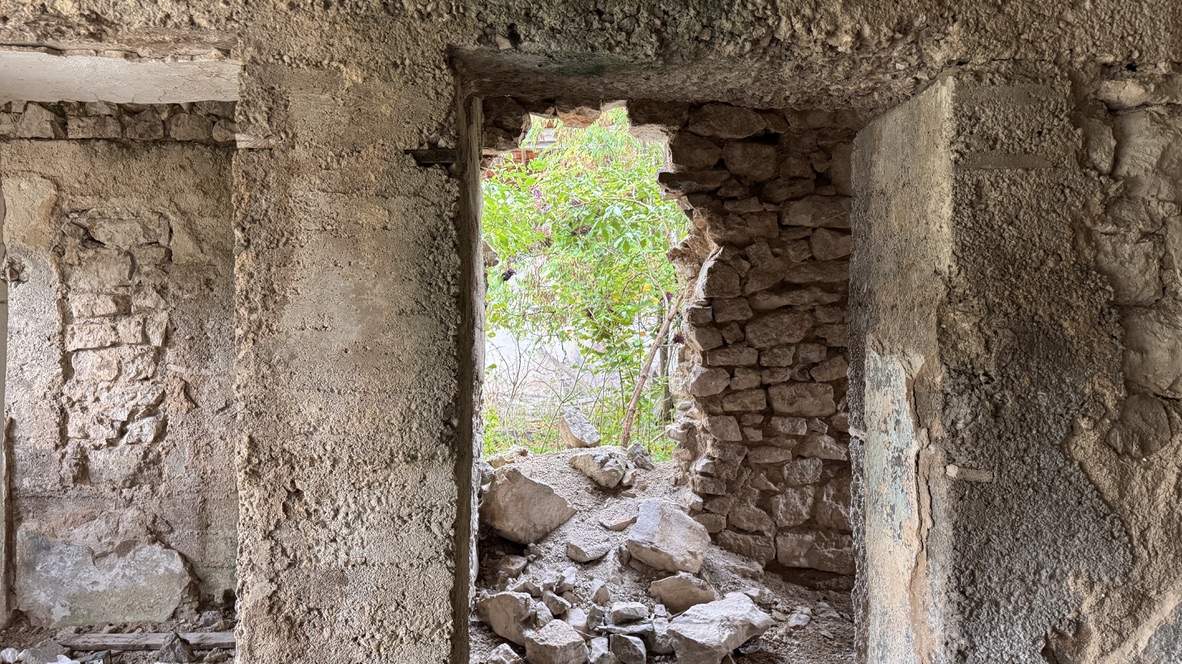
The detainees in Kamenica were starved and constantly interrogated, and there were cases where the detainees were kept in a damp basement, on rocks, and in rooms without light. (paras. 205., 253. Ratko Dronjak, pp. 47, 59.)
The bodies of four detainees who had been brought from Bosanska Krupa were found in the Golubnjača pit. (paras. 271-283. Ratko Dronjak, pp. 4, 65-68), (Dragan Rodić, p. 3.)
Beatings in Kamenica were not a sporadic occurrence. Prisoners were beaten with boots, shovels, and handles. (paras. 322., 324., 330. Ratko Dronjak, pp. 78-81.)
The beatings were most often carried out without any particular reason and with the aim of instilling fear. (paras. 501-520. Ratko Dronjak, pp. 121-127.), (Dragan Rodić, pp. 4, 6.)
In Kamenica there was continuous abuse, starvation, physical and psychological mistreatment, and murders from its establishment in August 1992 until its dissolution at the end of 1995. At first, it was mainly civilians who were the targets of widespread and systematic attack. From at least the second half of 1994 it was civilians who fell under the authority of the Army of Republika Srpska (VRS) or soldiers incapacitated due to injury or deprivation of liberty. (para. 333. Ratko Dronjak, p. 81.), (Dragan Rodić, pp. 20, 21.)
The bodies of those who died in Kamenica were packed in black bags and buried in the prison grounds. (para. 208. Ratko Dronjak, p. 47.)
From November 1992 to January 1995, several captured members of the Army of the Republic of Bosnia and Herzegovina (ARBiH) and the Croatian Defence Council (HVO) died as a result of torture and beatings in Kamenica, among which there were wounded prisoners. (paras. 377-497. Ratko Dronjak, pp. 5-7, 92-120.), (Dragan Rodić, pp. 4-6.)
One detainee, who had difficulty moving and had swelling, died when he was taken with the others to swim in the Unac River in the village of Bastasi. (paras. 543-551. Ratko Dronjak, pp. 133-134.)
A group of Bosniaks, some of whom had weapons, and who were hiding in the area of the Golaja forest in Sanski Most Municipality, surrendered in February 1993 and were sent to the Kamenica camp, where all traces of 14 of them have been lost. This included two women, one of whom was in an advanced state of pregnancy. (paras. 284-308. Ratko Dronjak, pp. 4, 68-74.), (Dragan Rodić, p. 4.)
In November 1994, after several days of beatings, some of the detainees died, while others suffered injuries after being thrown off the truck when they were brought in. (paras. 335-353. Ratko Dronjak, pp. 5, 82-87.), (Dragan Rodić, pp. 3-4.)
Some of the civilians who were brought from their homes to Kamenica in November 1994 died due to the lack of medical care and the difficult conditions that prevailed in the facility.
(paras. 354-376. Ratko Dronjak, pp. 5, 87-92.), (Dragan Rodić, p. 4.)
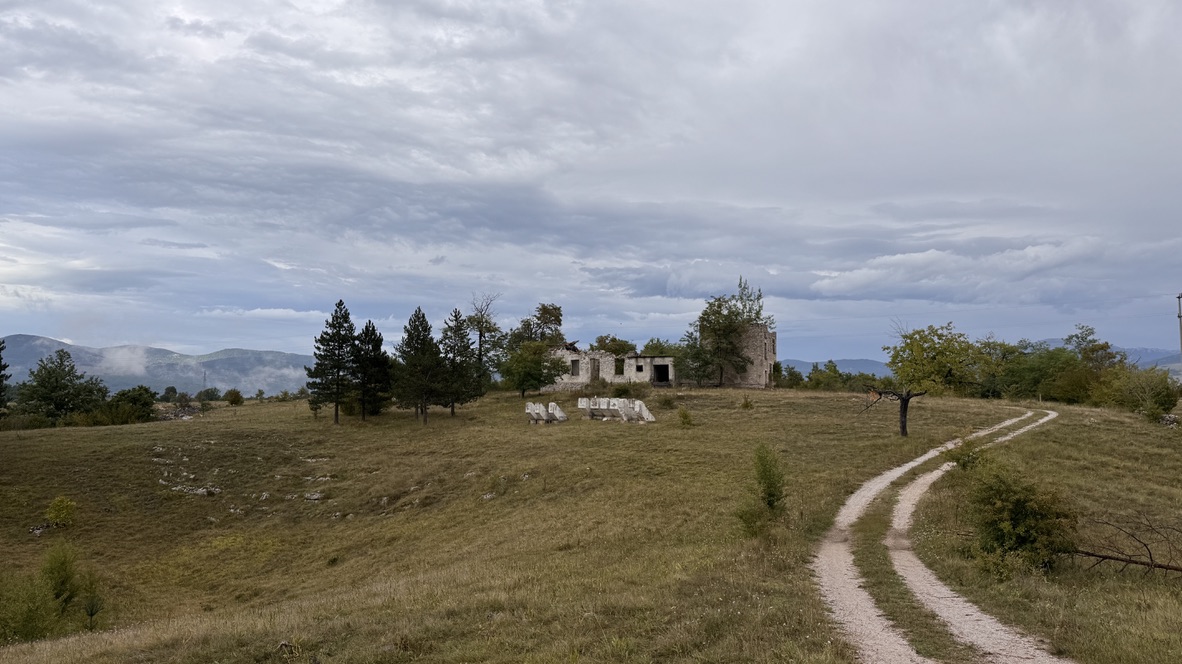
Kozlica testifies about daily torture in the basement isolation cells of the “Kamenica” camp in Drvar, from which few emerged alive. While he still hopes the place where he was detained will one day be marked with a memorial, he also points to families’ fears that any plaque placed there would immediately be destroyed.
Hilmo Kozlica — “Kamenica” camp, Drvar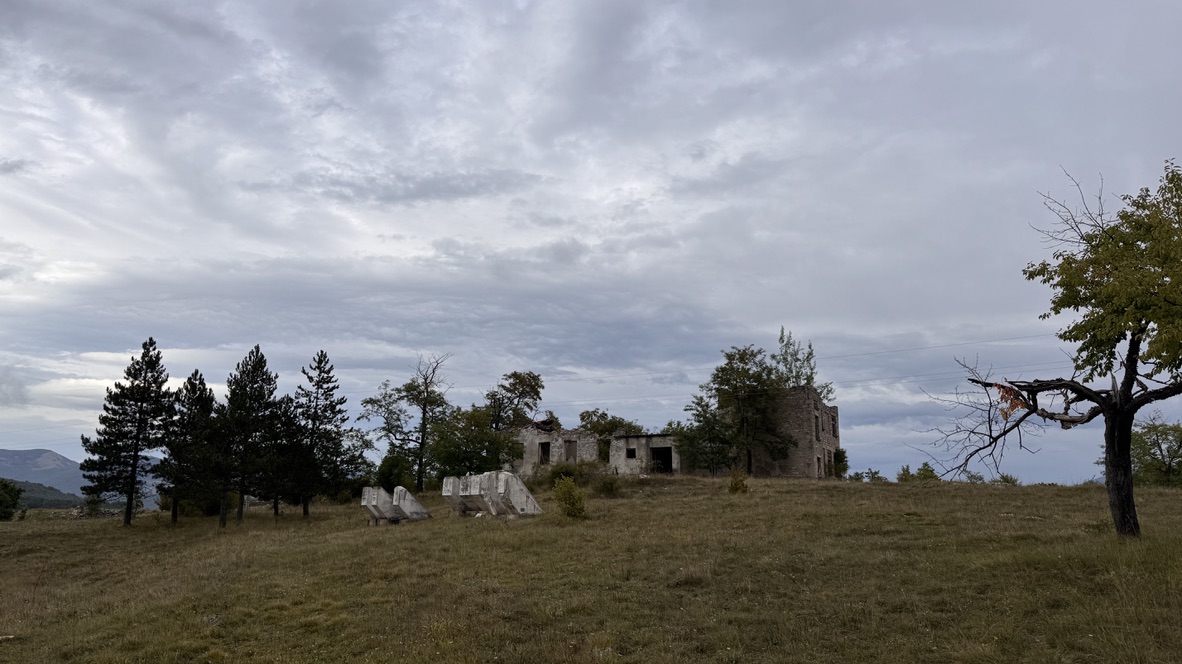
Related content

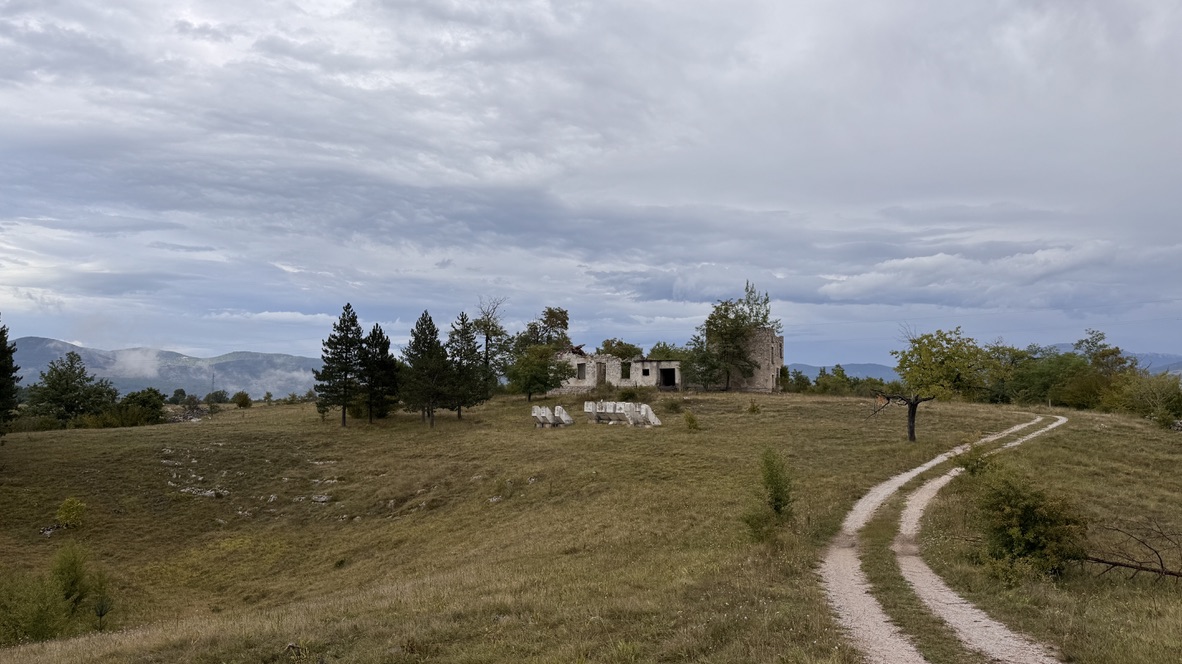
Kamenica
Kamenica bb, 80260 Drvar