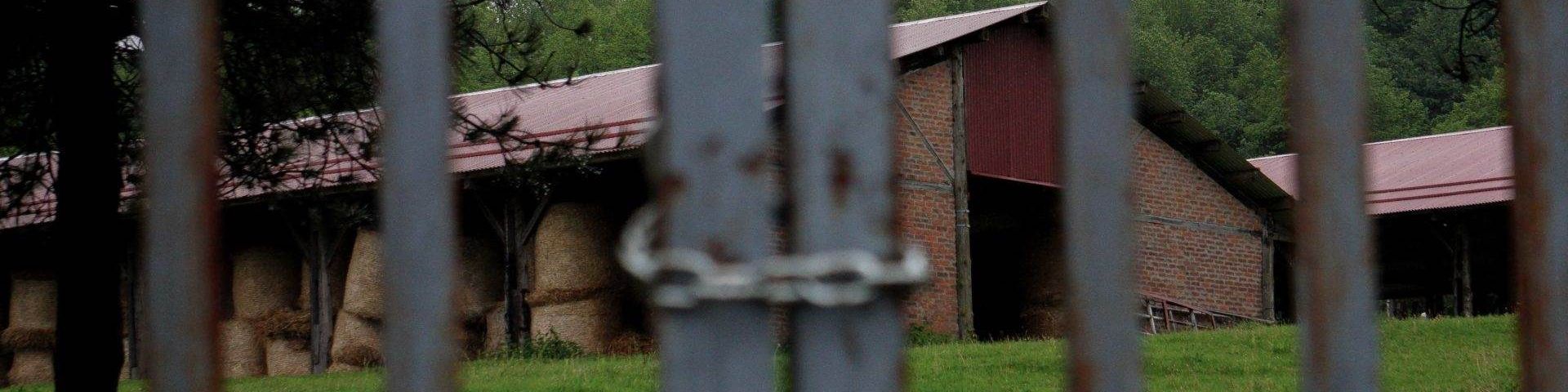
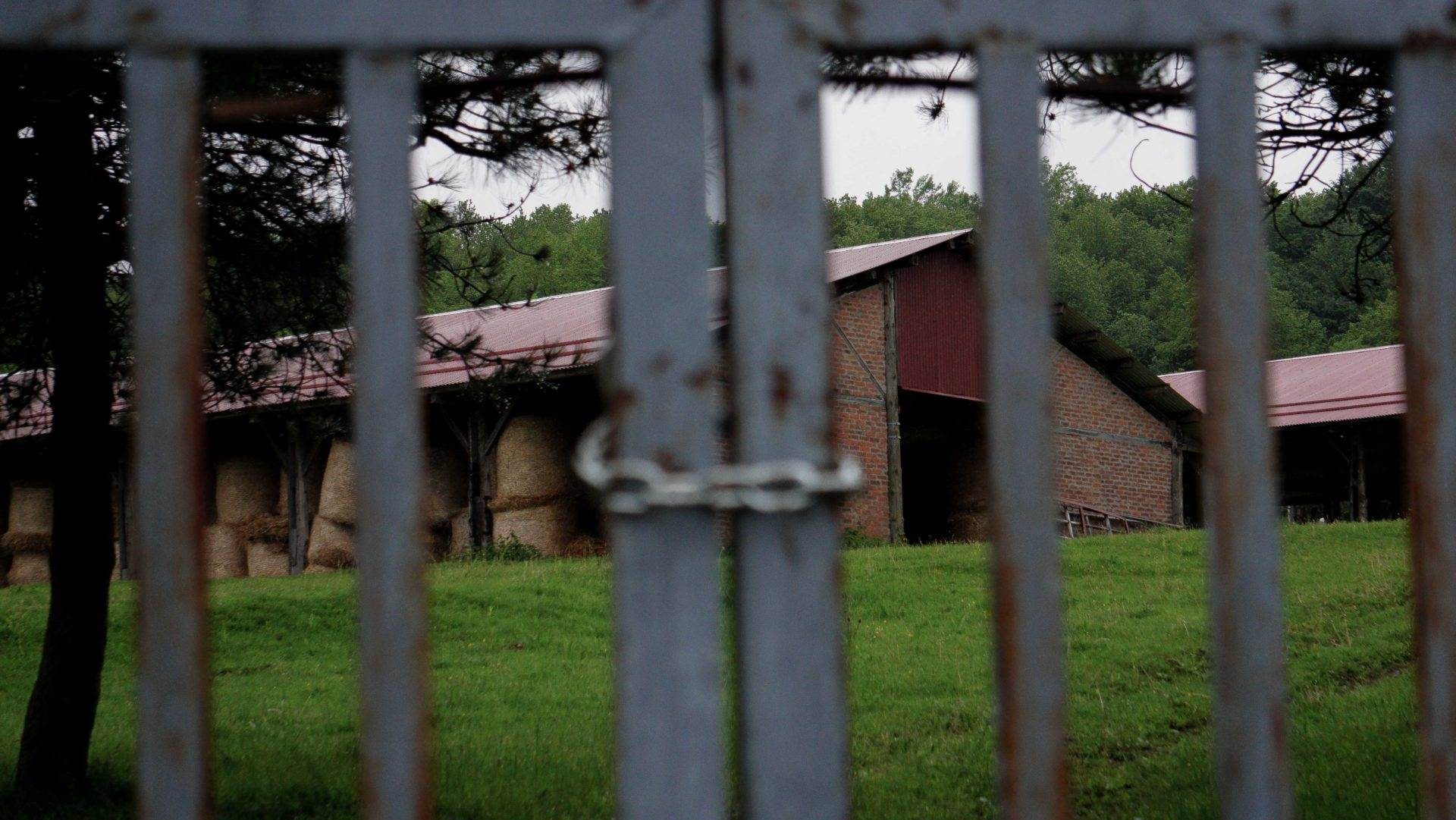
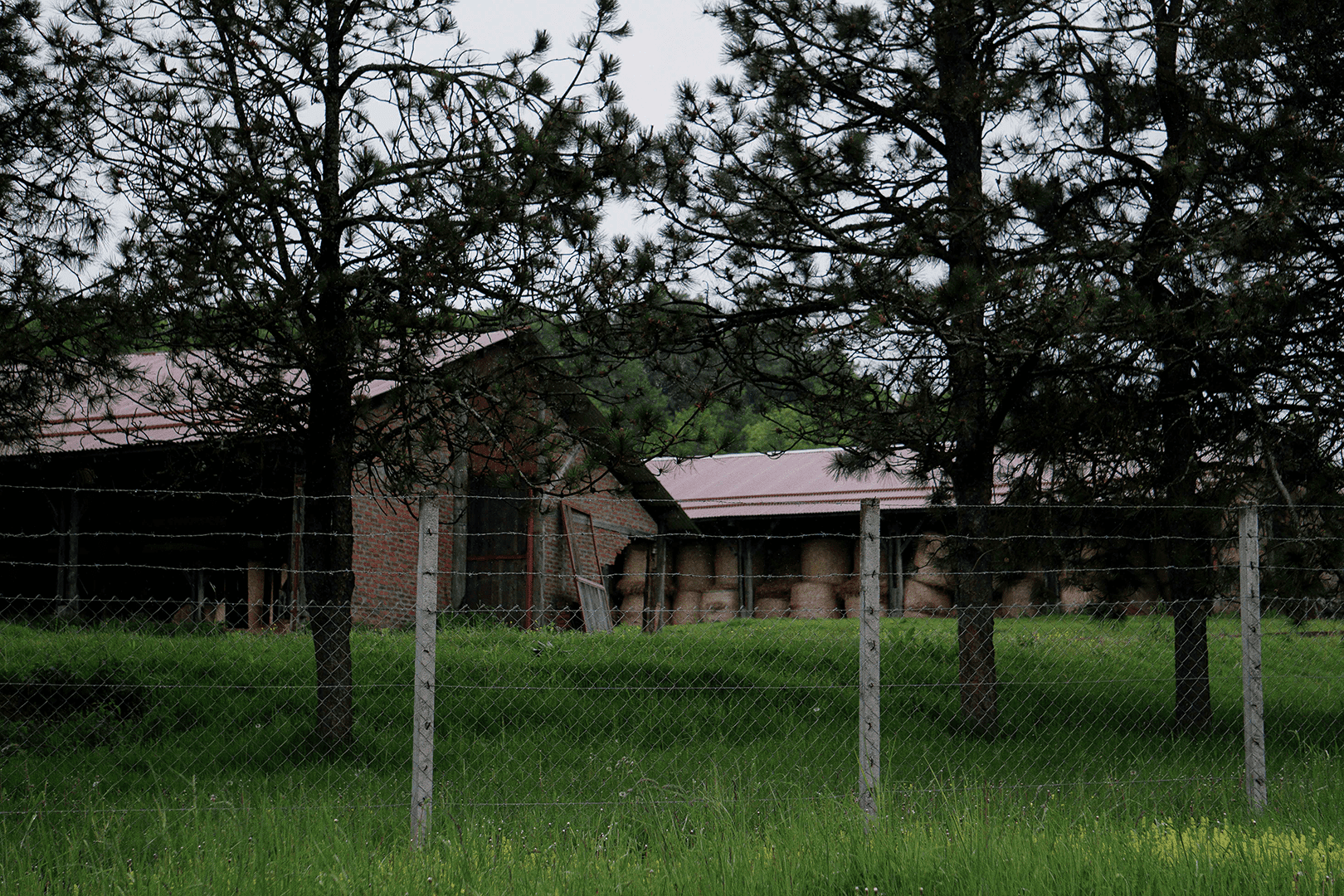
Manjača agricultural farm
Dobrnja bb, 78000 Banja Luka1991. – 1992.
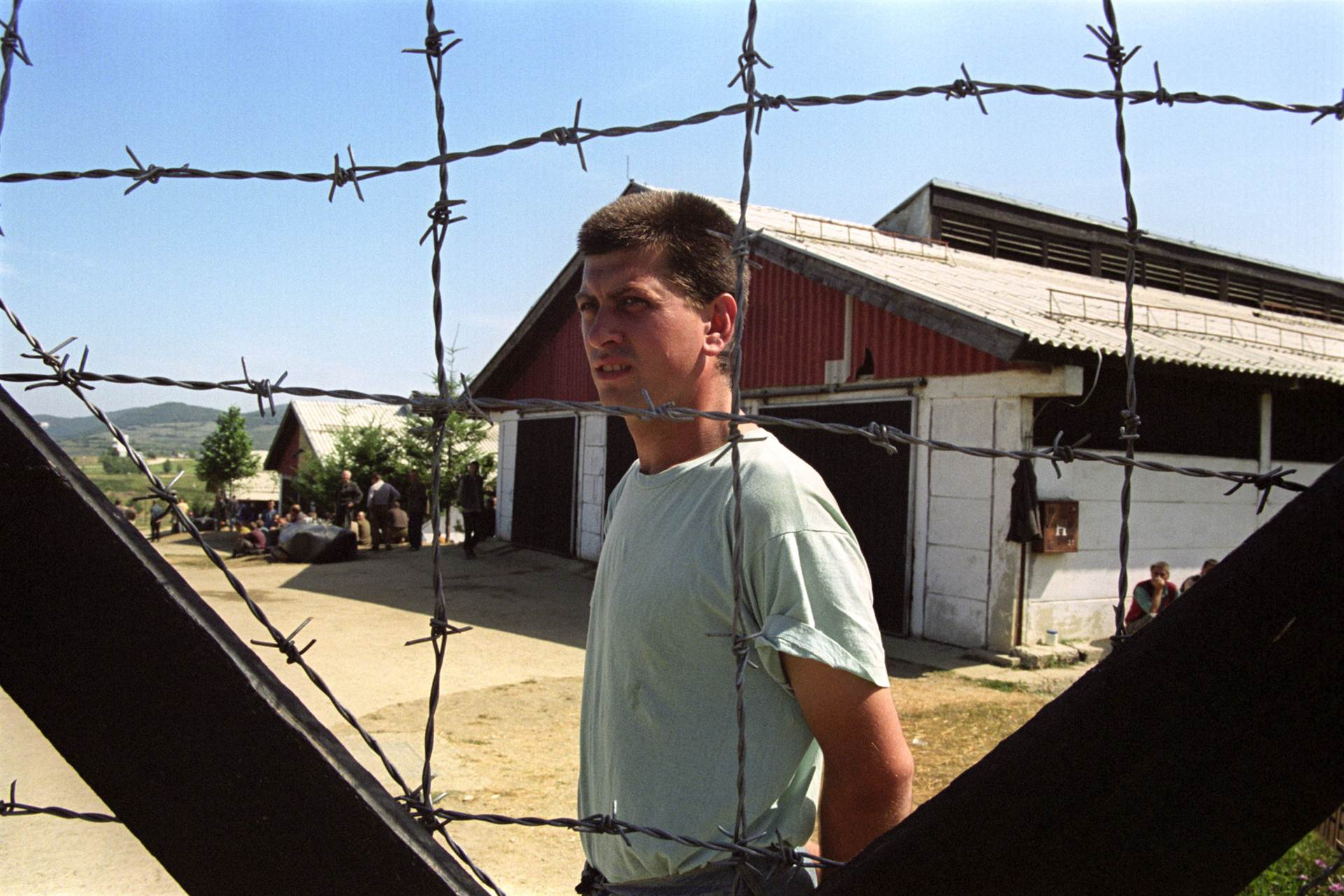
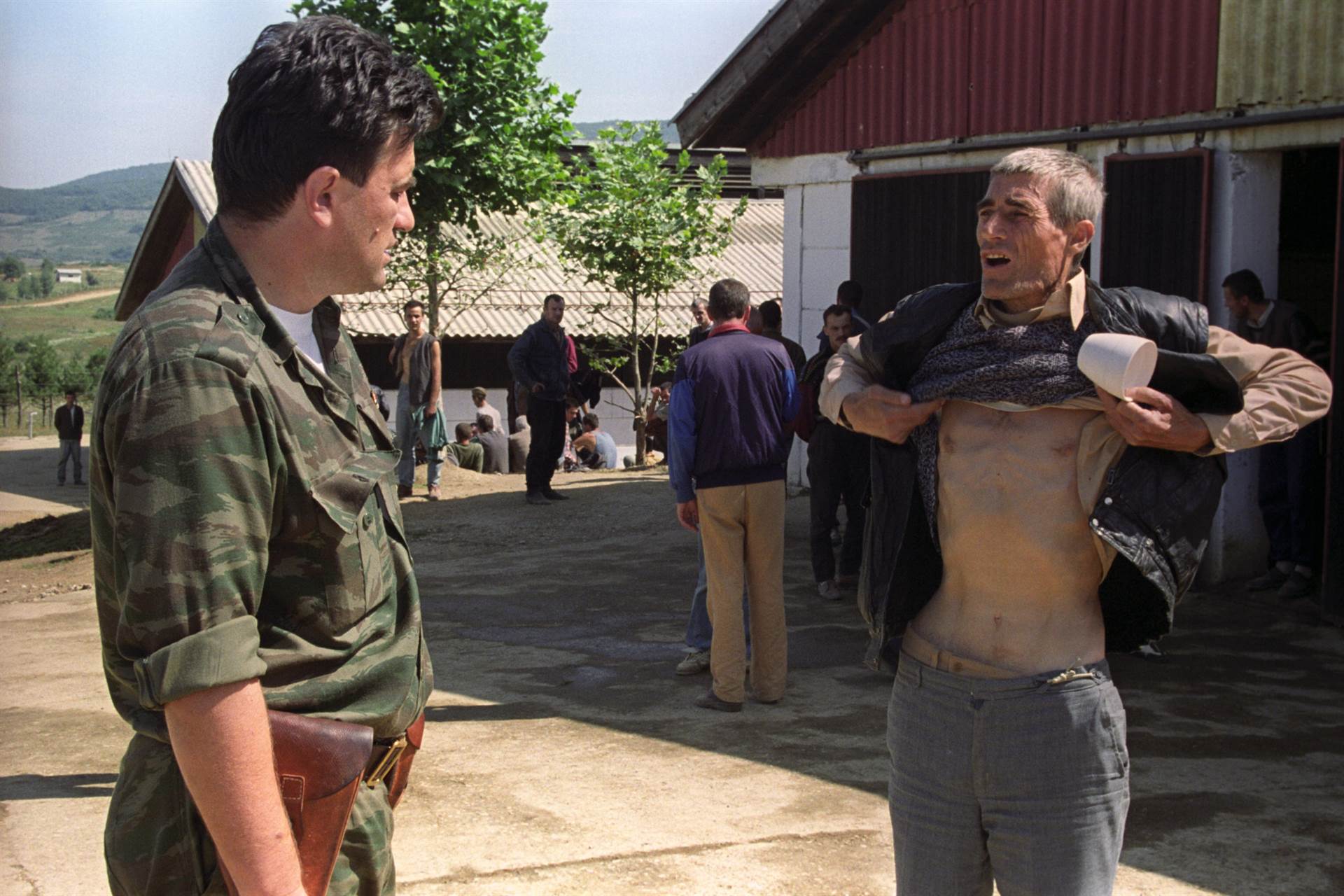
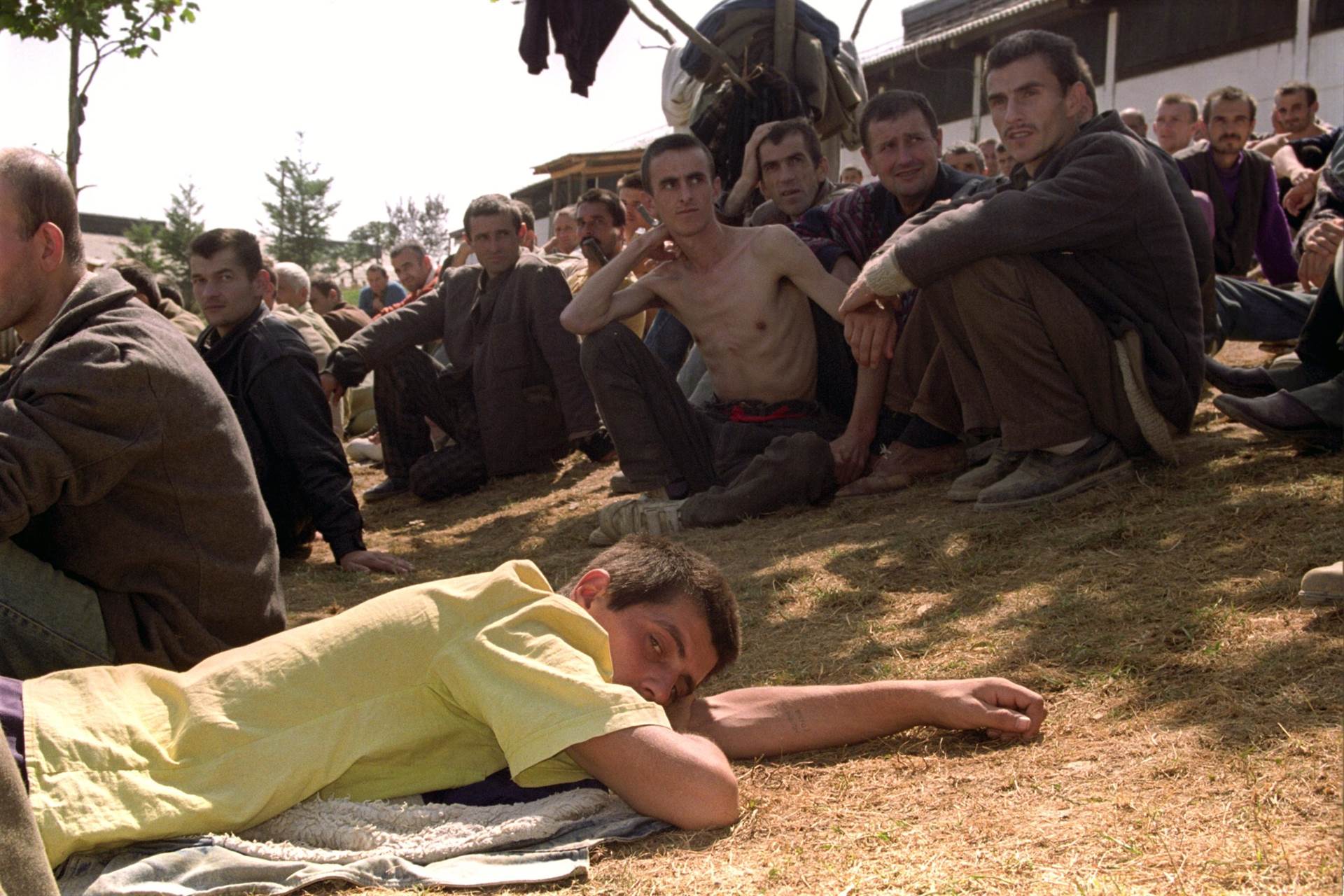
Serb authorities detained civilians, mostly Bosniaks and Croats, in eight detention centres in Banja Luka, including the Manjača detention camp. At one point, approximately 3,640 men were detained in Manjača.
Court facts
ICTY
The Serb authorities detained civilians, mainly Bosniak and Croat, in eight detention centres in Banja Luka. These included the building of the Security Services Centre (CSB) building, the Manjača camp, the Banja Luka prison (Tunjice), the Mali camp (military investigation centre), the sports hall, the Kozara barracks, the castle, and the old military camp. (para. 161. Stanišić and Župljanin, vol. I, p. 57.), (para. 391. Krajišnik, p. 148.)
In mid-May 1992, the Bosnian Serb authorities established a camp on Mount Manjača, not far from Banja Luka, in which almost exclusively Bosniak and Croat civilians, mainly from the Kozarac and Sana valley areas, were held. The camp was run by the army, and the detainees were mostly brought in by the police. (para. 436. Brđanin, p. 165.), (paras. 170-173. Stanišić and Župljanin, vol. I, pp. 60-61.)
At one point, approximately 3,640 men were detained at Manjača, most of whom were civilians who had never participated in any fighting. (paras. 749-750. Brđanin, p. 252.), (paras. 382-383. Krajišnik, p. 145.), (para. 1379. Karadžić, vol. II, pp. 557–558.), (para. 394. Mladić, vol. I, p. 208.)
From the moment of their arrival at Manjača, detainees were regularly beaten during interrogations in dormitories and in solitary confinement. They were hit with batons, wooden poles, rifle butts, and electric cables. (paras. 184-185. Stanišić and Župljanin, vol. I, pp. 65-66.), (para. 1399. Karadžić, vol. II, pp. 566-567.), (para. 440. Mladić, vol. I, pp. 232-234.)
Several hundred detainees were brought to Manjača in June 1992 from Ključ, as well as from the prison in Stara Gradiška in Croatia. (para. 1382. Karadžić, vol. II, pp. 559-560.)
Buses carrying approximately 150 detainees from the Hasan Kikić Elementary School in Sanski Most arrived at the Manjača camp on June 6, 1992. Upon arrival the detainees were beaten by police officers from Sanski Most. Later at least six detainees were killed. (para. 452. Brđanin, pp. 168-169.), (paras. 1412-1415. Karadžić, vol. II, pp. 573-574.), (para. 352. Mladić, vol. I, p. 177.)
On July 7, 1992, a group of approximately 64 detainees from Betonirka arrived at the Manjača camp in locked trailers. Due to the heat, cramped space, and the hourslong drive, more than 20 detainees died. (para. 452. Brđanin, pp. 168-169.), (para. 205. Stanišić and Župljanin, vol. I, p. 73.), (para. 1420. Karadžić, vol. II, p. 577.), (para. 360. Mladić, vol. I, p. 182.)
On August 6, 1992, Serb forces separated at least eight or nine Bosniaks and Croats from a group of detainees from Omarska who had arrived at the gates of Manjača and killed them. (para. 1424. Karadžić, vol. II, p. 578.)
The guards forced the detainees in Manjača to perform hard physical labour. (para. 914. Brđanin, p. 289.), (para. 1394. Karadžić, vol. II, p. 565.), (para. 472. Mladić, vol. I, p. 248.)
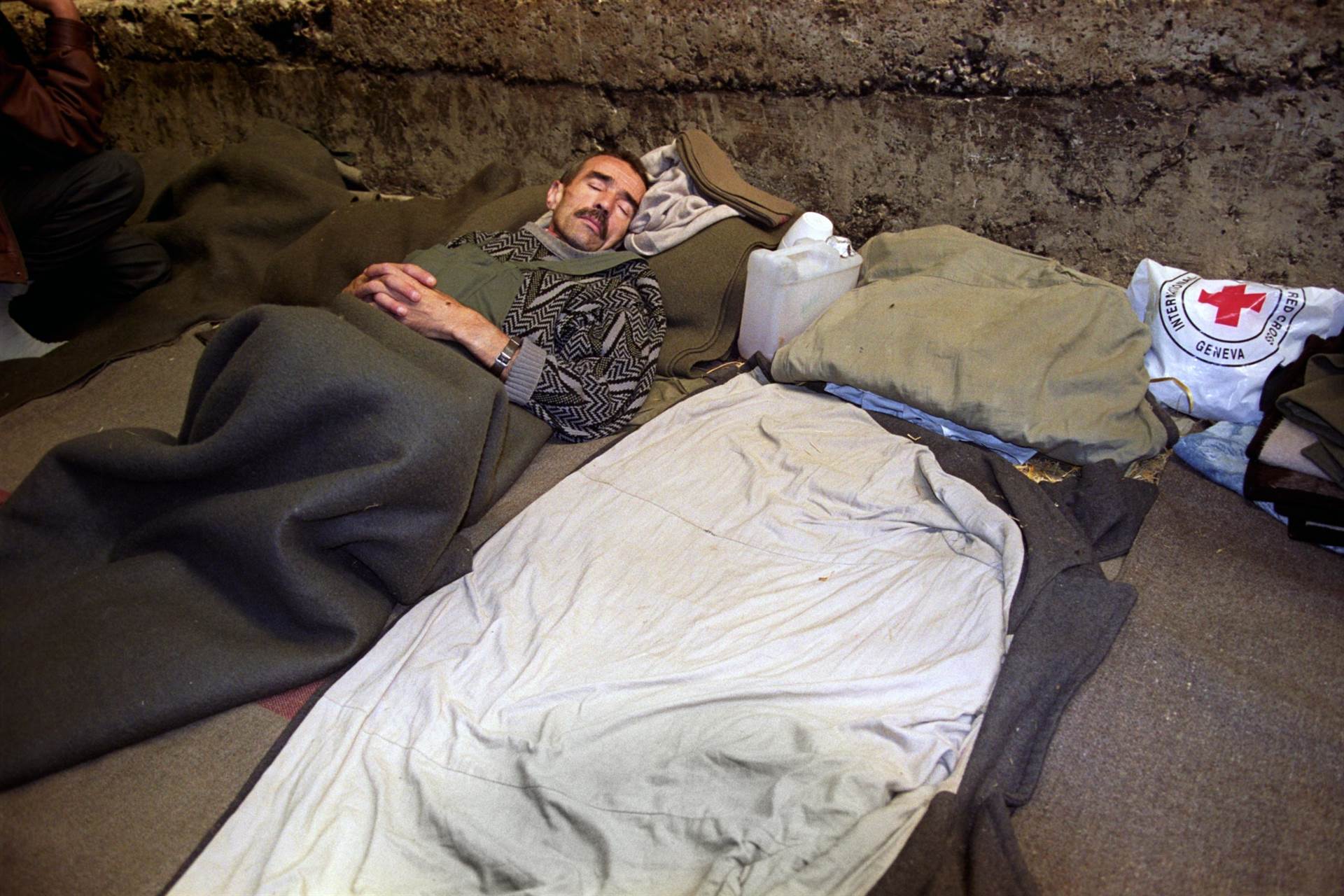
The Manjača camp was closed only on December 16, 1992. Some detainees were transferred to Croatia under the patronage of the Red Cross, some were transferred to the Batković camp in Bijeljina, and some were released. (para. 390. Krajišnik, p. 148.), (para. 1409. Karadžić, vol. II, pp. 572-573.), (para. 396. Mladić, vol. I, p. 210.)
From June to November or December 1992, several detainees in the Manjača camp died as a result of beatings or sporadic killings carried out by the guards, who were members of the Army of Republika Srpska (VRS) and the public security station (SJB). (para. 374. Mladić, vol. I, pp. 192-193.), (para. 440. Brđanin, p. 165.), (paras. 185-186. Stanišić and Župljanin, vol. I, pp. 65-66.), (paras. 1429-1430. Karadžić, vol. II, p. 580.)
District Court in Banja Luka
Bosniak and Croat civilians from Mrkonjić-Grad, Sanski Most, Ključ, Prijedor, Šipovo, and other territories under the control of Serb forces were brought to the camp on Mount Manjača. (Ž.B. et al., pp. 4, 18.)
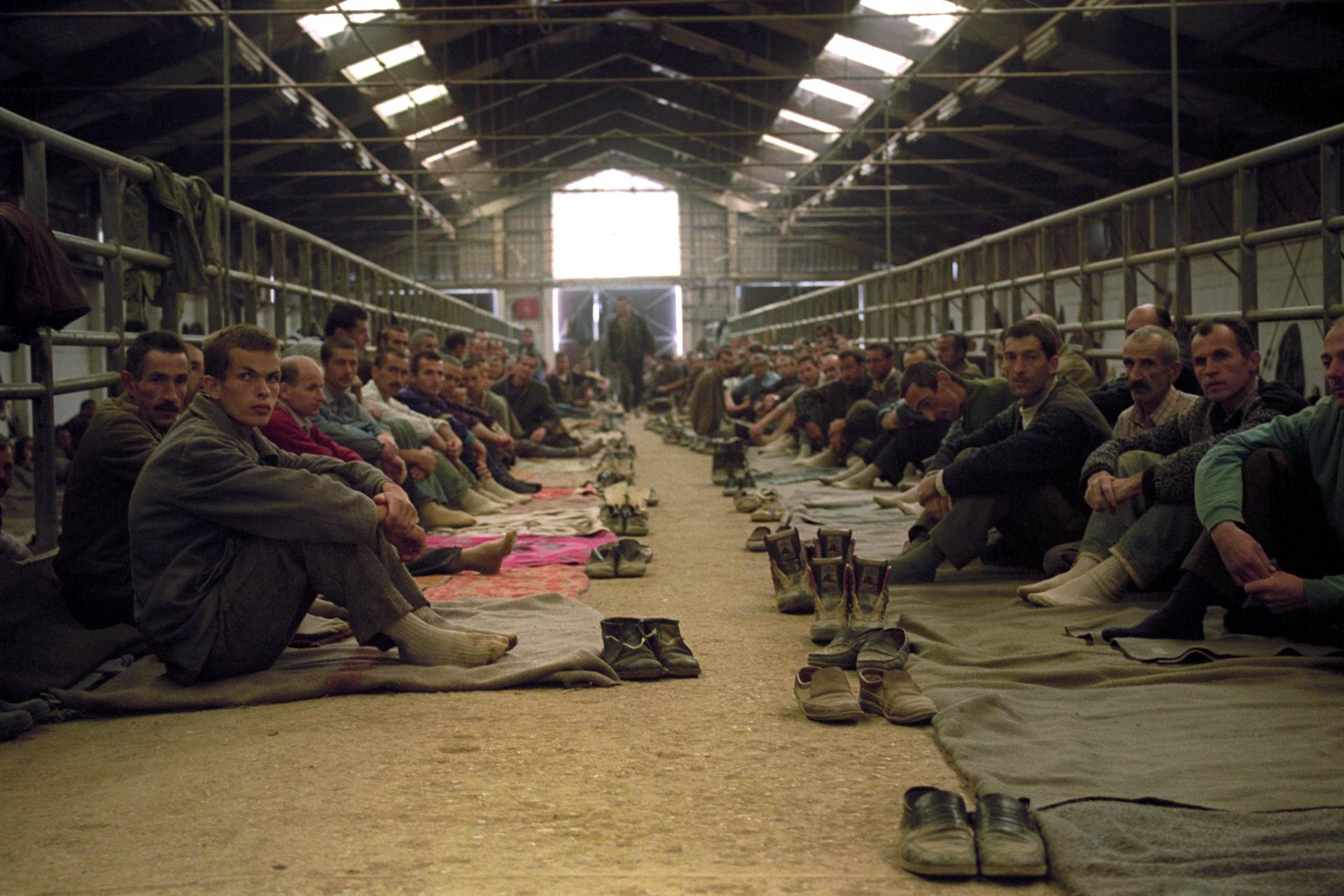
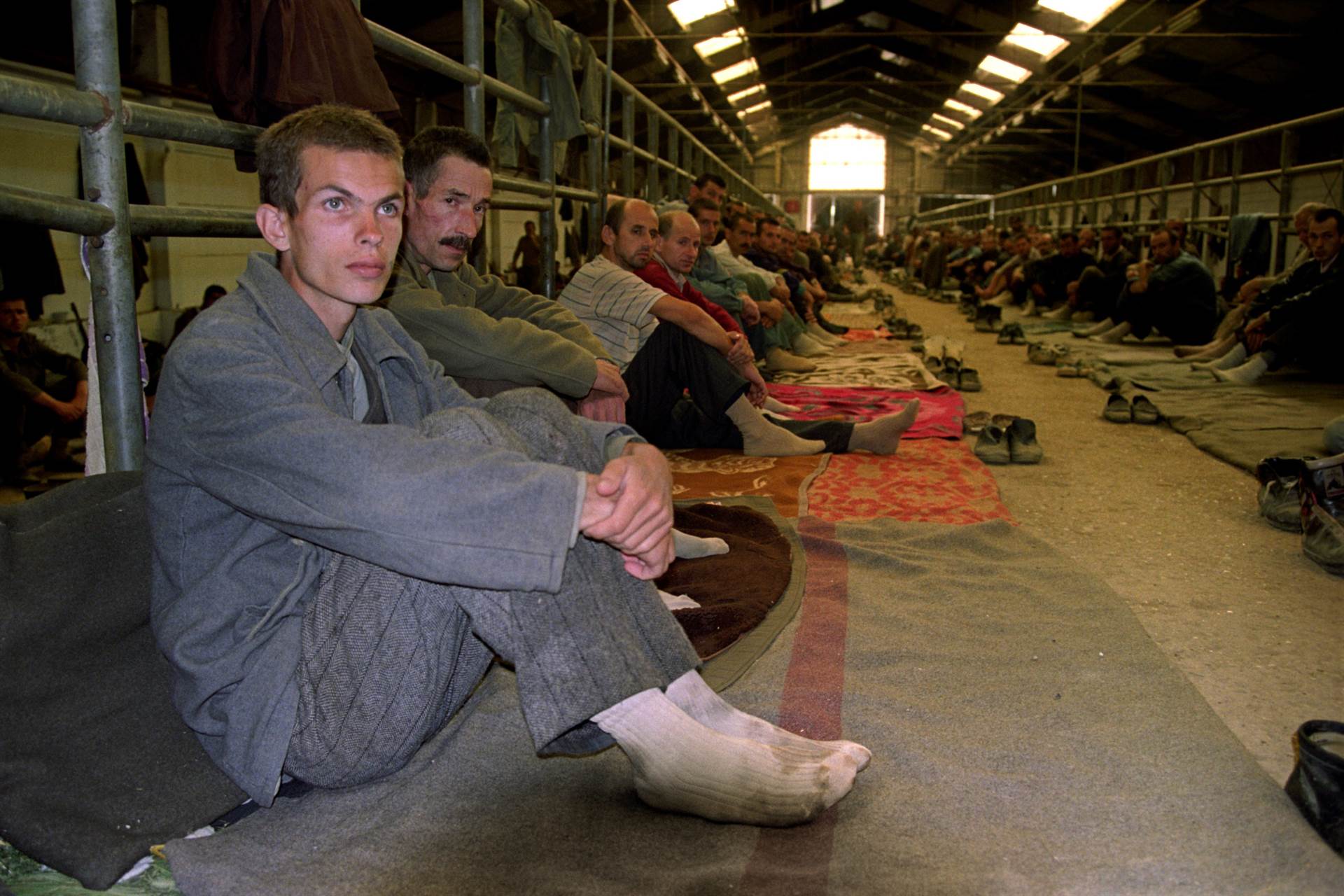
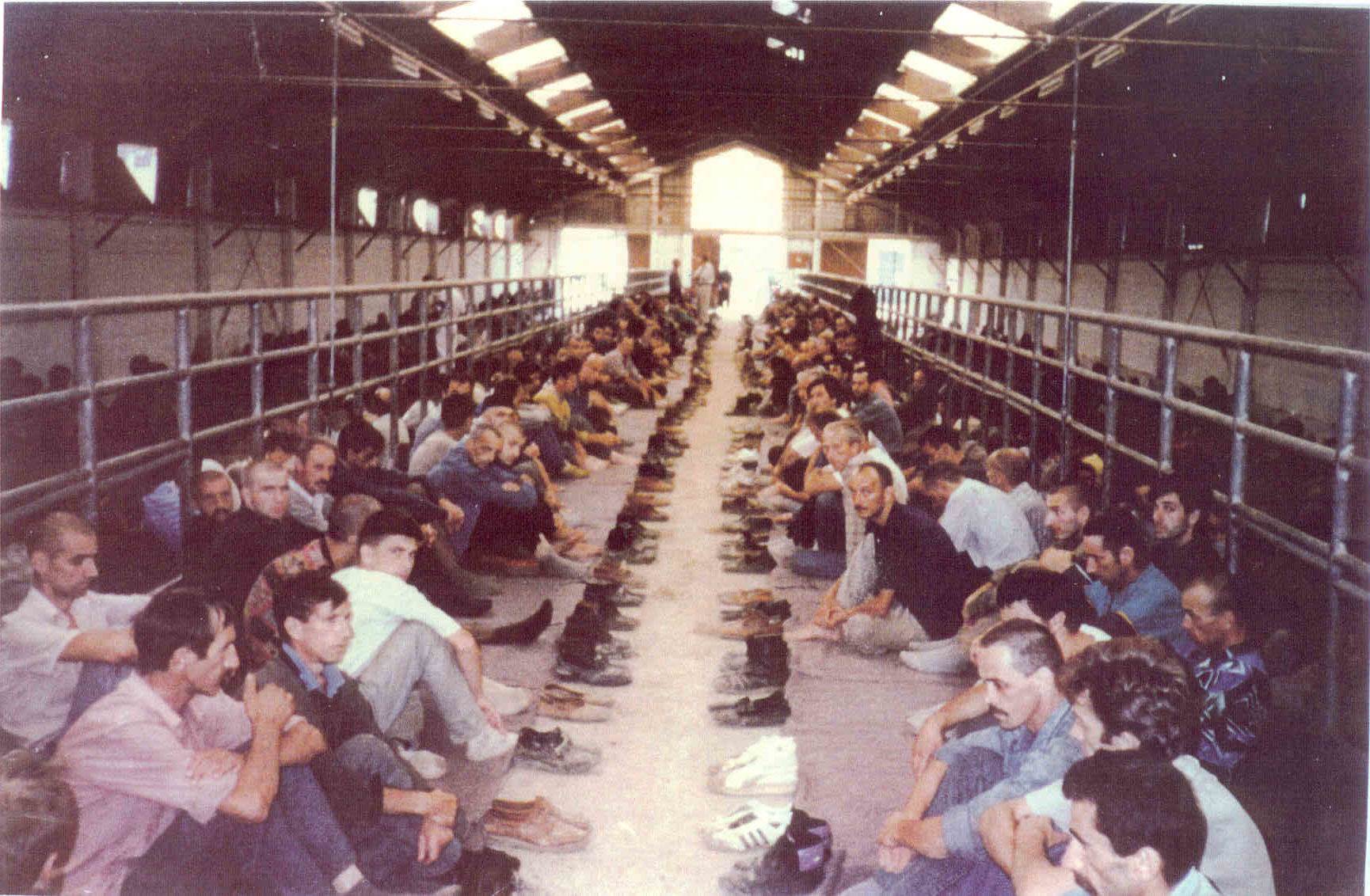
During June and July 1992, inmates were beaten and physically abused in barracks that had previously been used to hold livestock. (Ž.B. et al., pp. 3-5, 20-21.)
At the end of July 1992, guards in the camp killed two inmates, who died after being beaten. (Ž.B. and others, pp. 3-5, 19-22.)
Upon entering the camp, the prisoners, with their heads bowed and their hands behind their backs, had to pass through a barricade of about 20 policemen, who hit them with batons, feet, and hands. (Ž.B. and others, pp. 3-5, 19-20.)
Between 660 and 800 civilians lived in the barracks at the same time, and when the guards entered, they had to have their heads down or lie on their stomachs with their hands on their backs. Then the prisoners would be beaten and abused. (Ž.B. and others, pp. 3-5, 19-21.)
County Court in Zagreb
The Manjača prisoner of war camp was located in the vicinity of Banja Luka and operated from mid-June to mid-September 1992. (Dane Lukajić – judgment of the Zagreb County Court, pp. 1, 25.)
Some members of the Croatian Defence Forces (HOS) were captured in the Bijelo Brdo area in early September 1992, taken to a playground in Srbac, where they were physically and verbally abused by the population and members of the Army of Republika Srpska, and then transferred to Manjača. (Dane Lukajić – judgment of the Zagreb County Court, p. 25.)
Upon arrival at Manjača, prisoners had to pass through a line of camp guards who beat them. They were then severely physically abused in and outside the premises. (Dane Lukajić – judgment of the Zagreb County Court, pp. 1-2, 26.)
From mid-June to the end of July 1992, the prisoners were repeatedly beaten with batons during interrogation. (Dane Lukajić – judgment of the Zagreb County Court, pp. 1-2, 26-27.)
Before being brought to Manjača, the prisoners were detained in other places. (Dane Lukajić – judgment of the Zagreb County Court, pp. 25-27.)
The beatings left their mark on the health of the prisoners. (Dane Lukajić – judgment of the Zagreb County Court, p. 28.)
Court of Bosnia and Herzegovina
The first mass deportation of prisoners from Omarska occurred in early August 1992 when a large number of prisoners from that camp were taken to the Trnopolje and Manjača camps. (Željko Mejakić et al., pp. 72-73.)
On August 6, 1992, police forces secured the transport of approximately 1,000 civilian prisoners of Bosniak and Croat ethnicity from the Omarska camp to the Manjača camp. During the transport the prisoners were tortured, beaten, and psychologically abused on and off the buses. (paras. 309., 317., 327-341. Darko Mrđa et al., pp. 6, 83, 84, 86-89.), (paras. 80-82., 85. Milan Gavrilović, pp. 4-5, 27, 28.)
The prisoners were forced to spend the night in front of the camp in buses, because those responsible in Manjača did not allow them to enter the camp. Prisoners waited to be called and examined by a doctor before being admitted to the camp. (para. 352. Darko Mrđa et al., p. 91.)
In front of Manjača the detainees were taken off the buses and beaten, and some of them died. (paras. 356-378. Darko Mrđa et al., pp. 7, 92-96.)
Before being beaten and killed, one detainee was ordered to strangle another, which he did. (paras. 382-426. Darko Mrđa et al., pp. 7, 97-105.)
Several detainees who were taken off the buses were killed and their bodies were thrown into the Vrbas at the Karanovac site near Banja Luka. (paras. 427-436., 444-456., 469, 519-522. Darko Mrđa, pp. 7, 105-107, 108-110, 112, 122.)
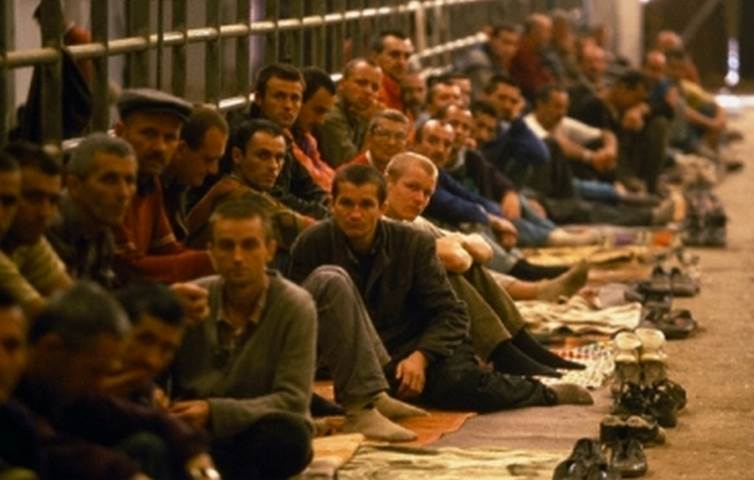
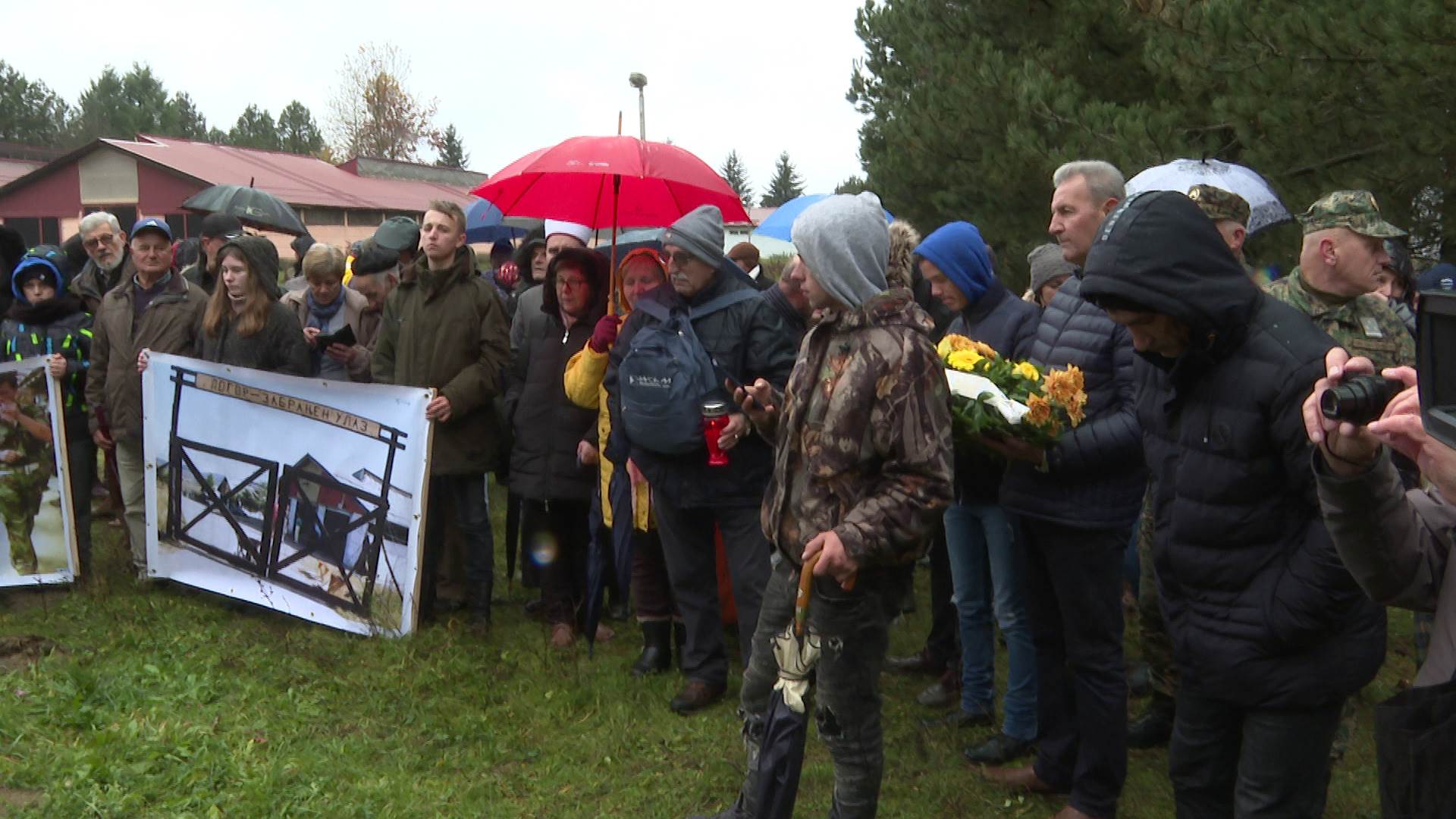
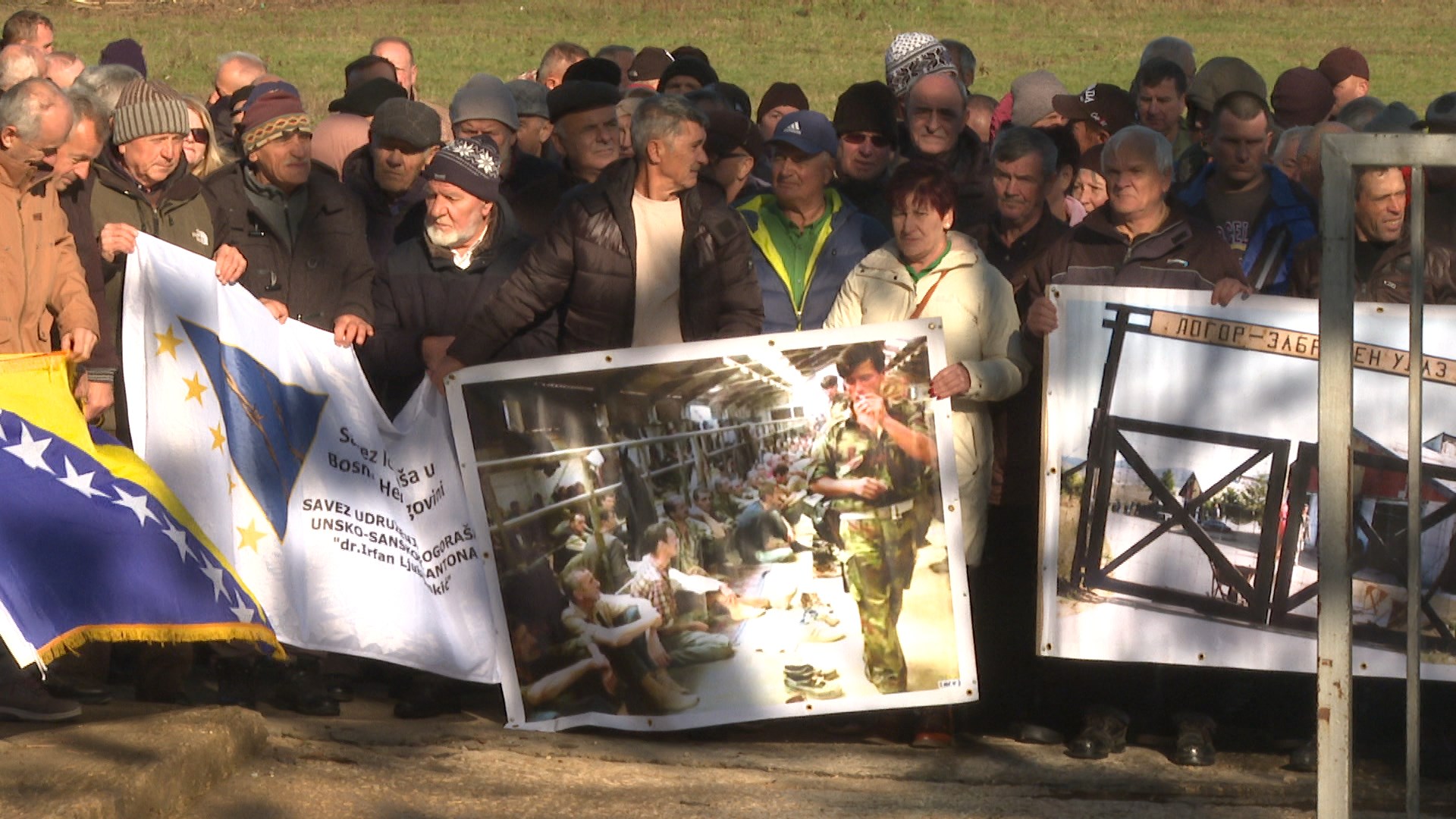
Life on the concrete floor of the barns at the military agricultural estate “Manjača” could hardly be called a life worthy of a human being, Sadmir Alibegović recalls. He is one of hundreds of prisoners who passed through this camp and the many forms of torture inflicted by guards. Today, as president of a local association of former detainees, he fights to ensure that memory of such crimes never fades.
Sadmir Alibegović — “Manjača” camp, Banja Luka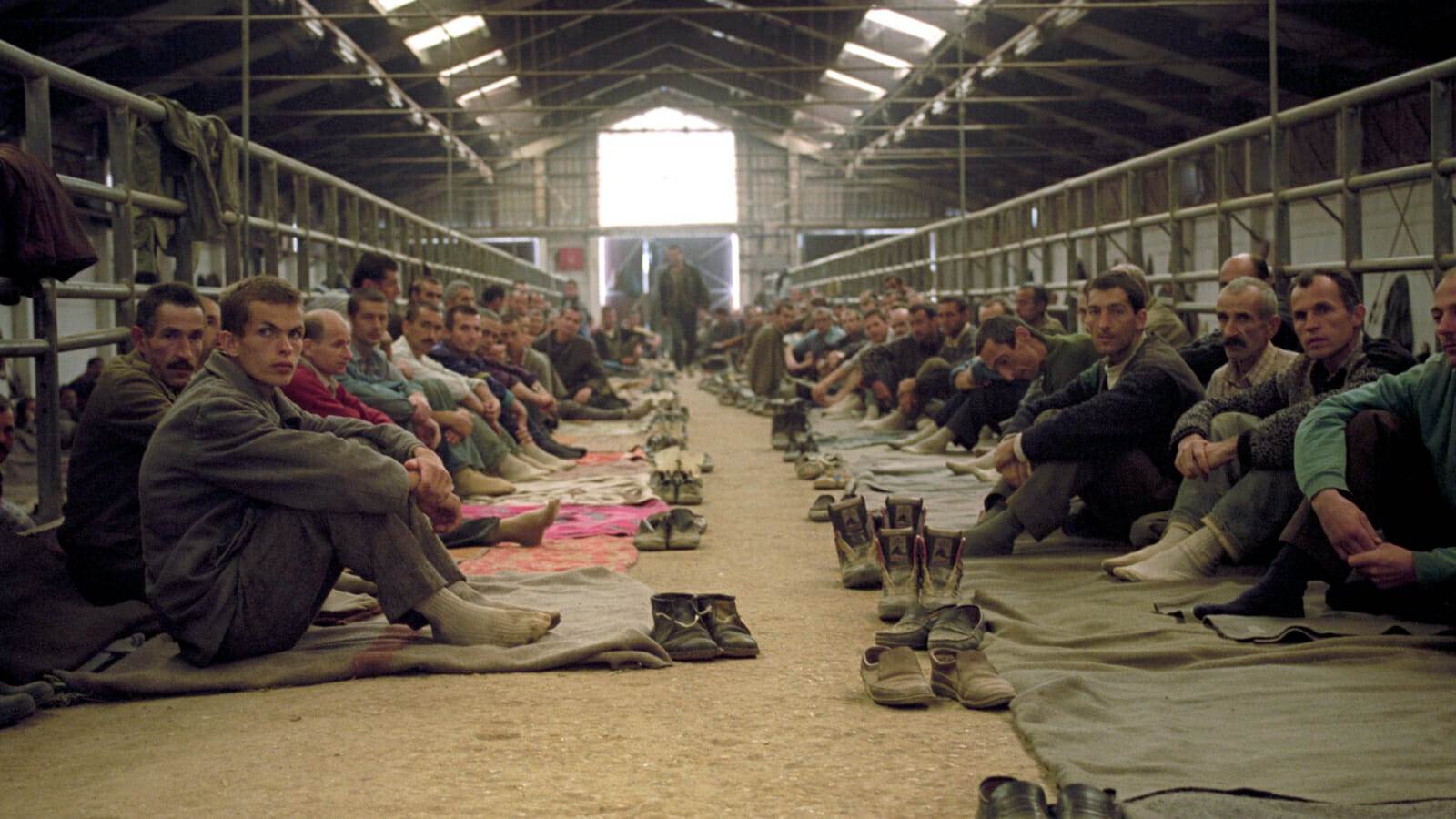
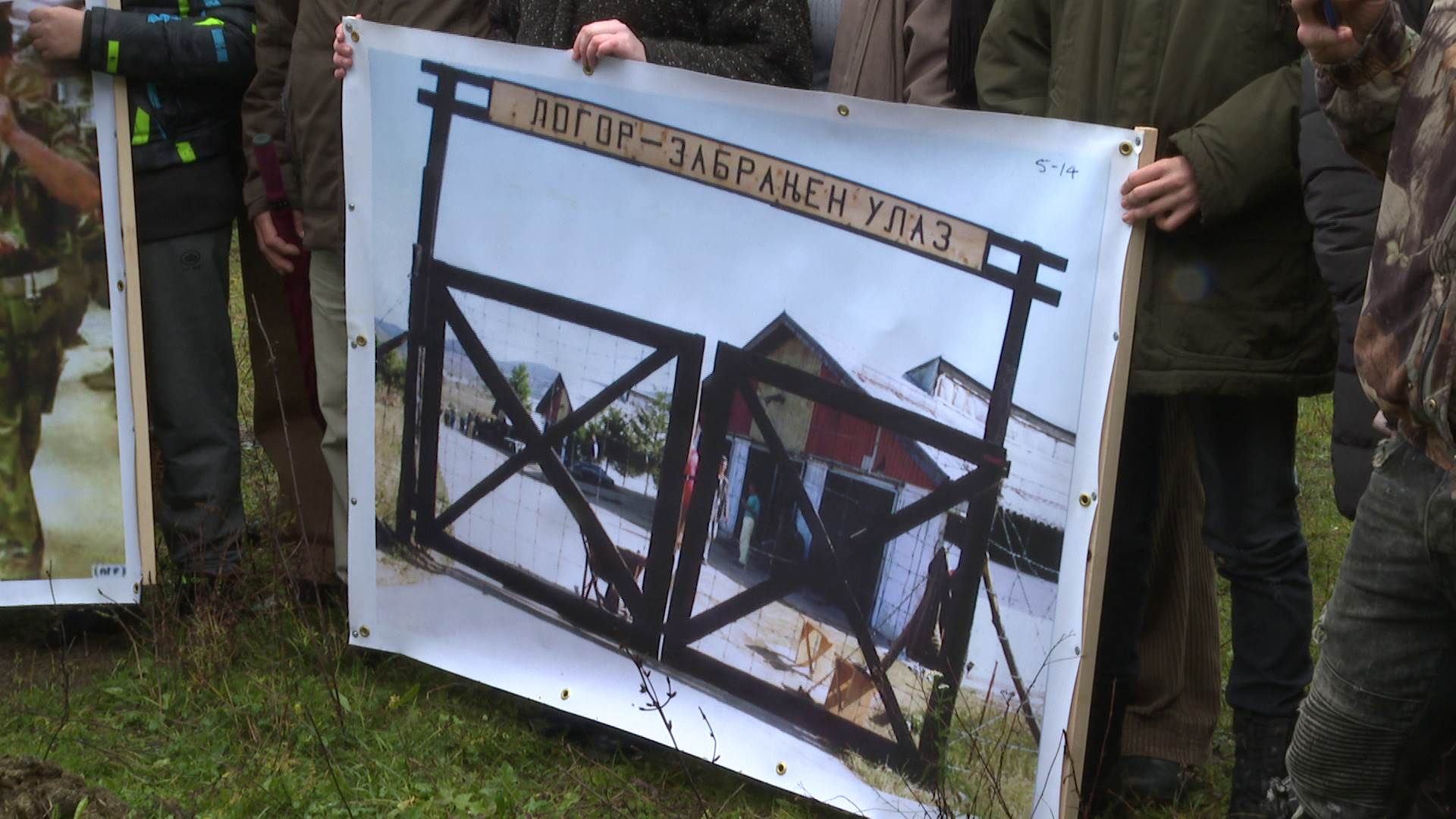
Related content

Manjača agricultural farm
Dobrnja bb, 78000 Banja Luka