Batković
selo Batković bb, 76300 Bijeljina1992. – 1996.
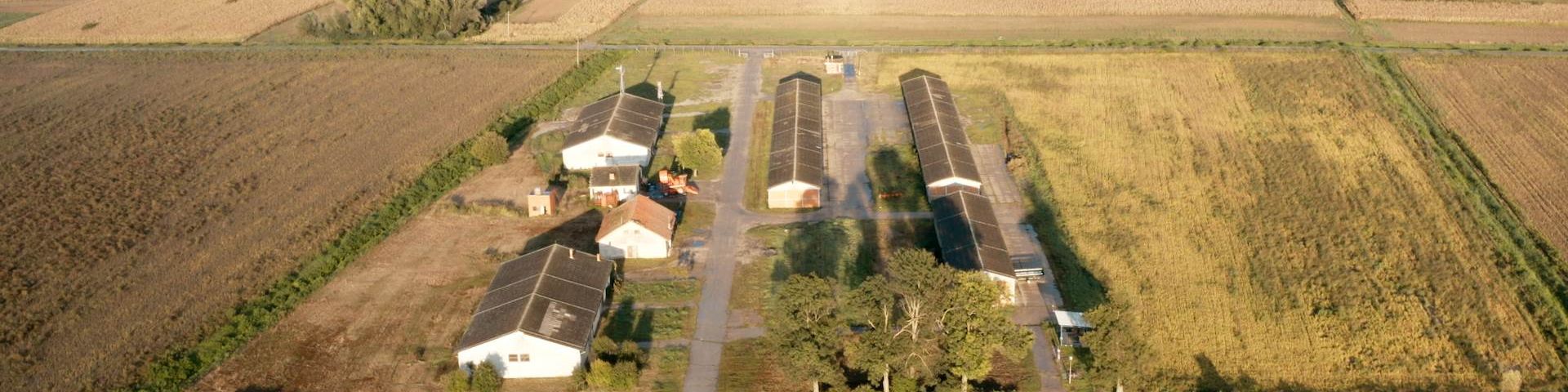
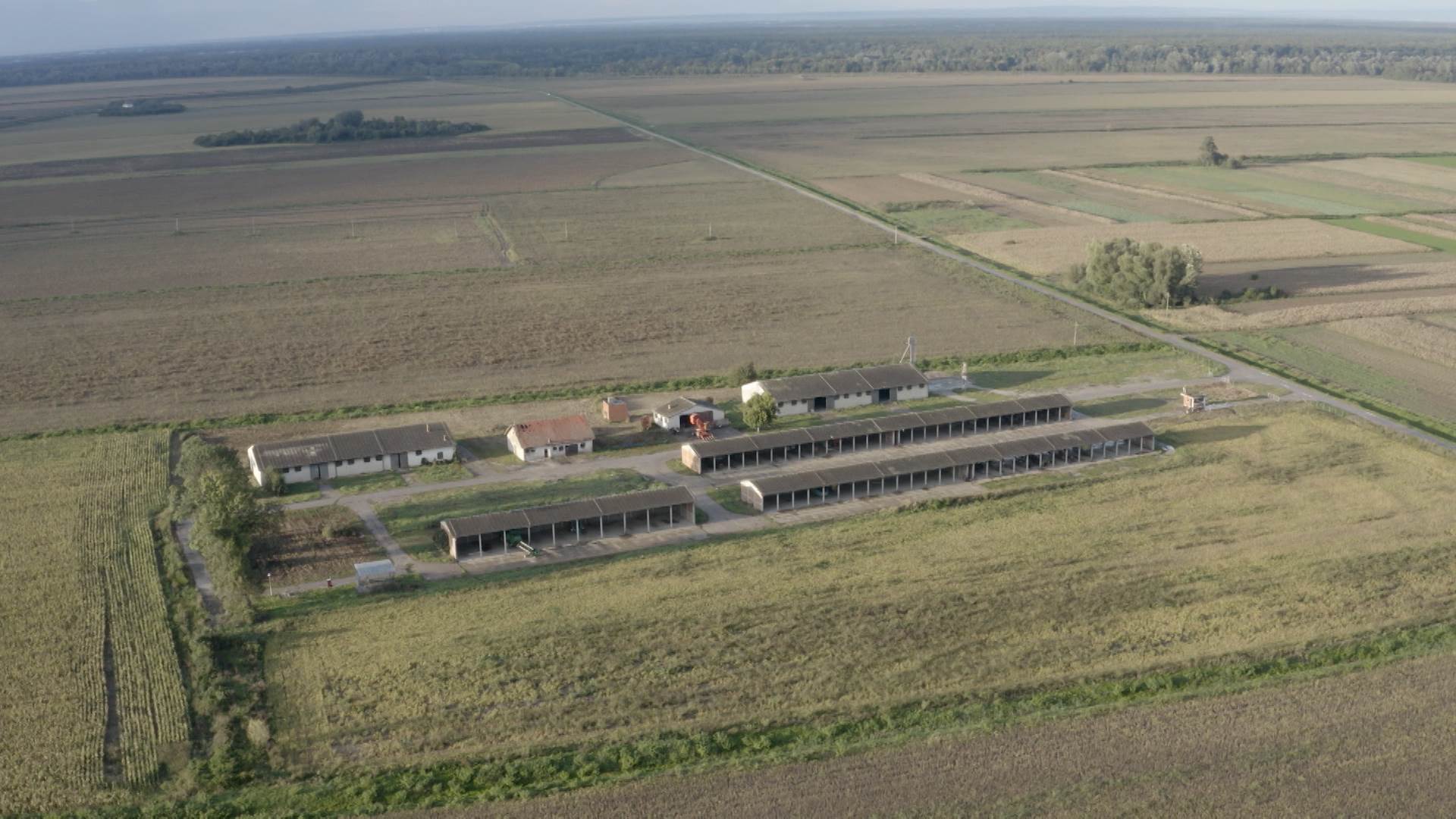
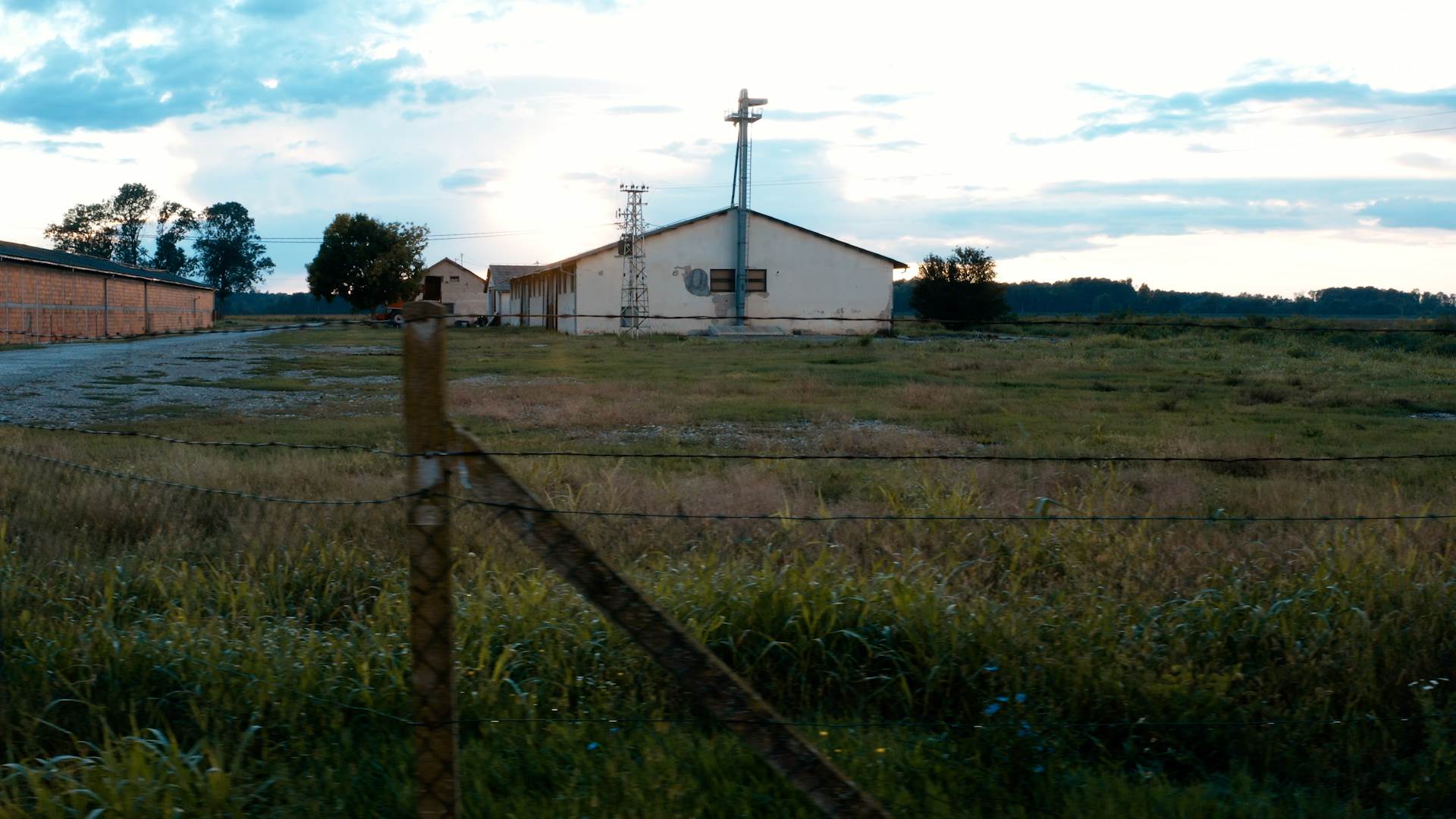
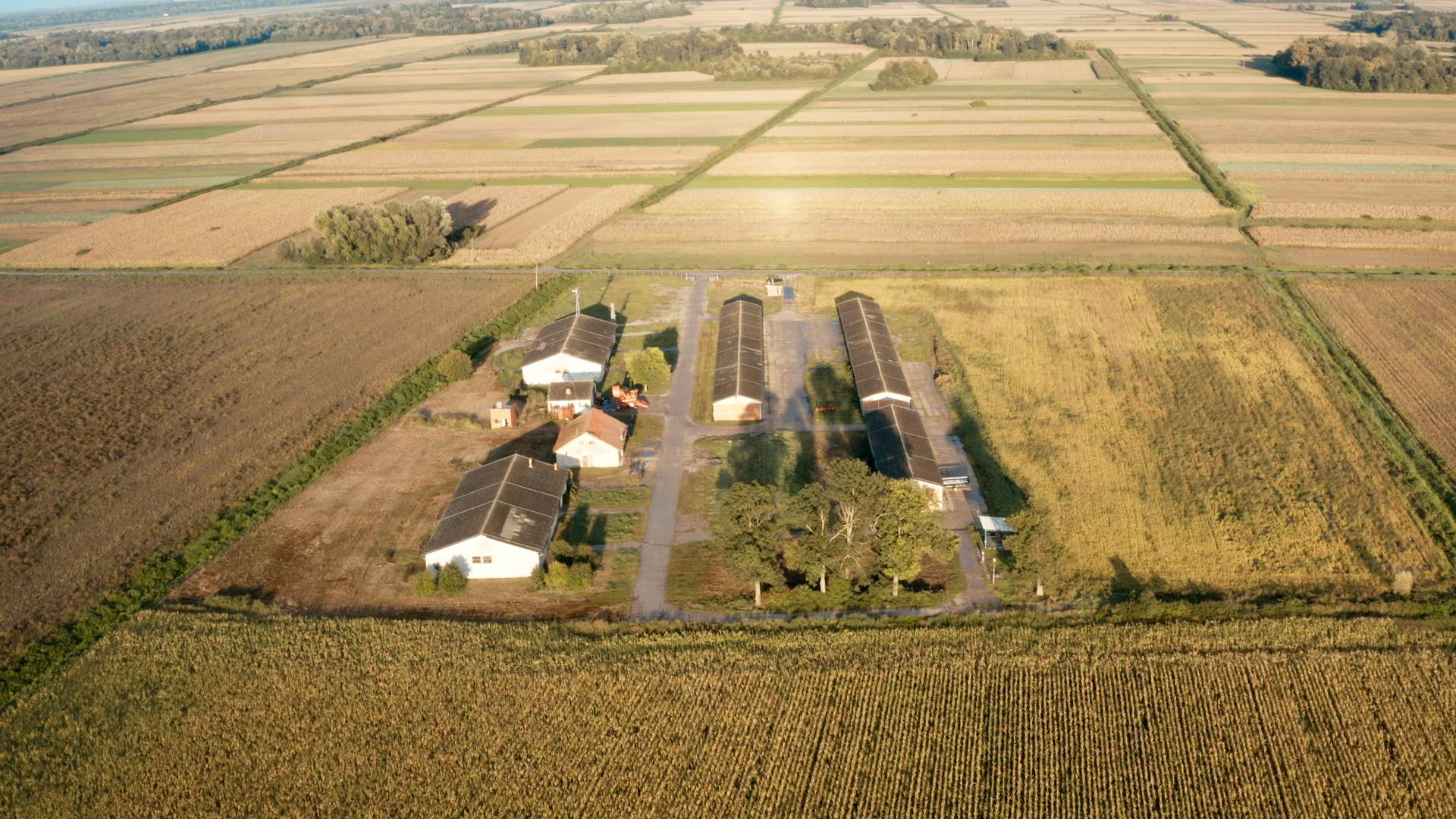
The Batković concentration camp was one of the detention facilities in Bijeljina. It was housed in the Semberija agricultural complex. Serb forces detained, beat, abused and killed Croat and Bosniak detainees at this camp.
Court facts
ICTY
Bijeljina was the first municipality in Bosnia and Herzegovina to be occupied by Bosnian Serb forces in 1992. The takeover became a pattern repeated in other municipalities in northeastern BiH, where paramilitary groups or so-called volunteer units first arrived from Serbia and began to intimidate and abuse the local Bosniak population. (para. 298. Krajišnik, p. 112.)
The Serb authorities held detainees, mostly civilians of Croat and Bosniak ethnicity, in seven detention centres in the Bijeljina area (the Batković camp, the Agricultural School in Bijeljina, the Bijeljina Penal and Correctional Facility, the police station, the Bijeljina sugar factory, the fortress, and the building of the public utility company “4. juli”). (para. 305. Krajišnik, p. 115.), (para. 178. Stanišić and Simatović, MMKS Trial Judgement, pp. 83-84.)
It was confirmed that the Batković camp was established on June 17, 1992 and that the facility was established and managed by the army, though the police and paramilitary formations had access. (para. 921. Stanišić and Župljanin, vol. I, p. 297.), (para. 304. Krajišnik, p. 114.), (paras. 642., 644., 645. Karadžić, vol. I, pp. 248, 250.), (para. 564. Mladić, vol. I, p. 295.)
Between 1,280 and 1,600 Bosniak men were detained in this camp in August 1992. (para. 304. Krajišnik, pp. 114-115.), (para. 924. Stanišić and Župljanin, vol. I, p. 298.)
Between 2,000 and 3,000 non-Serbs passed through the camp since its establishment (in the Mladić case, the verdict states that from June 1992 to July 1993 there were about 3,500 detainees in the camp). (para. 648. Karadžić, vol. I, p. 251.)
Three individuals detained in the camp were beaten to death by Serb guards, while one detainee was shot dead between July and September 1992. (para. 304. Krajišnik, pp. 114-115.), (para. 926. Stanišić and Župljanin, vol. I, pp. 298-299.)
After June 1992, several more Bosniak men were killed in the Batković camp. (para. 661. Karadžić, vol. I, p. 257.), (paras. 513-517. Mladić, vol. I, pp. 269-270.)
The detainees were regularly kicked and hit with batons, military belts, rifles, and stones. (para. 905. Stanišić and Župljanin, pp. 293-294.), (paras. 652-653. Karadžić, vol. I, p. 253.), (para. 565. Mladić, vol. I, p. 295.)
It was established that the guards in the camp gave three detained Bosniaks free rein to supervise, beat, and otherwise mistreat the detainees. (para. 926. Stanišić and Župljanin, vol. I, p. 298.)
In addition to being beaten, detained men were forced to perform humiliating sexual acts on each other in the presence of other detainees. (para. 304. Krajišnik, pp. 114-115.), (para. 653. Karadžić, vol. I, p. 253.)
The detainees at Batković came from a number of different municipalities, including Brčko, Ključ, Lopare, Rogatica, Sokolac, Ugljevik, Vlasenica, and Zvornik. Many were transferred from other detention facilities. (para. 304. Krajišnik, p. 114.), (para. 922. Stanišić and Župljanin, vol. I, p. 298.), (para. 645. Karadžić, vol. I, p. 250.)
Detainees at Batković were required to perform daily manual labour, including digging trenches and carrying ammunition to the front line, burying corpses, working in fields and factories, and helping to build an airport near Bijeljina. (para. 304. Krajišnik, pp. 114-115.), (para. 908. Stanišić and Župljanin, vol. I, p. 295.), (para. 587. Mladić, vol. I, p. 304.), (para. 655. Karadžić, vol. I, p. 254.)
On two occasions, detainees taken to work on the front line were killed in crossfire near Lopare, and two were wounded. (para. 909. Stanišić and Župljanin, vol. I, p. 295.), (para. 655. Karadžić, vol. I, p. 254.), (para. 519. Mladić, vol. I, p. 271.)
Some of the detainees died from starvation and exhaustion. (para. 657. Karadžić, vol. I, p. 255.), (para. 563. Mladić, vol. I, pp. 294-295.)
The camp continued to operate until January 4, 1996, with prisoners being exchanged or released in small numbers, and new ones being brought in. (para. 914. Stanišić and Župljanin, vol. I, p. 296.), (para. 664. Karadžić, vol. I, p. 258.)
District Court in Bijeljina and Cantonal Court in Tuzla
In Batković, on the Semberija agricultural estate, a camp was opened at the end of June 1992, initially housing a group of prisoners from the Sušica camp near Vlasenica, who were housed in one hangar. The prisoners in the camp were civilians and military personnel of Bosniak and Croat ethnicity of various ages. (F. S., pp. 6-7.), (Petar Dmitrović et al., pp. 5-6.)
Some of the prisoners were taken out of the hangar in Batković and died as a result of beatings. (F. S., pp. 1-2, 15-16.), (Petar Dmitrović et al., pp. 4-5, 5-6.)
When the number of detainees reached 1,500 to 2,000, in August 1992, after the camp was registered by representatives of the International Red Cross, a second hangar was opened, and conditions in the camp improved slightly. (F. S., pp. 6-7.)
Upon arrival, the detainees were passed through a line of uniformed guards and were beaten. (F. S., pp. 6-7.)
From early July to mid-October 1992, a Bosniak civilian who was brought to the Batković camp as a detainee from the Luka camp in Brčko used his previous acquaintance with the camp warden and several prison guards in order to be allowed to physically mistreat and beat detainees for no reason, alone and with other guards. (F. S., pp. 1-2, 15-16.)
The guards took part in the beating of a group of camp inmates who had been captured in Rača and brought to Batković. They were beaten with clubs and stones and one of the group died of his injuries. (F. S., pp. 1-2., 16.)
A group of detainees who tried to escape from the camp were beaten daily. (F. S., p. 1-2, 16.)
The captured members of the Army of the Republic of Bosnia and Herzegovina were treated worse in the camp compared to civilians. (F.S., pp. 19-21.)
Court of BiH
In the village of Batković, Bijeljina Municipality, in mid-June 1992, a detention centre/camp was established in which Bosniak men from the areas of Bijeljina, Zvornik, Vlasenica, and other places were detained. (Gligor Begović, p. 37.)
Most civilians were brought to the Batković camp during July 1992, while a small number were brought in August of the same year. (Gligor Begović, p. 53-54.)
During their detention, the prisoners were subjected to inhumane living conditions, murders and inhumane treatment. (Gligor Begović, pp. 54-55, 61-84.)
In facilities located about 300 metres from the Batković detention centre, where the prisoners were hidden during a visit by the International Committee of the Red Cross in August 1992, the detainees repeatedly underwent sexual abuse. (Gligor Begović, pp. 5, 8, 62-68.)
During the summer of 1992, several prisoners in Batković were severely beaten in front of or inside the facility, resulting in the deaths of some of them. Detainees were physically and psychologically abused in other ways. (Gligor Begović, pp. 6-9, 69-77, 79-84.)
The physical and psychological abuse of the inmates in Batković continued in the second half of 1992. (Gligor Begović, pp. 7-9, 73-81.)
Some of the detainees were beaten in the barracks in Bijeljina, where they were brought to perform forced labour. (Gligor Begović, pp. 8, 78-79.)
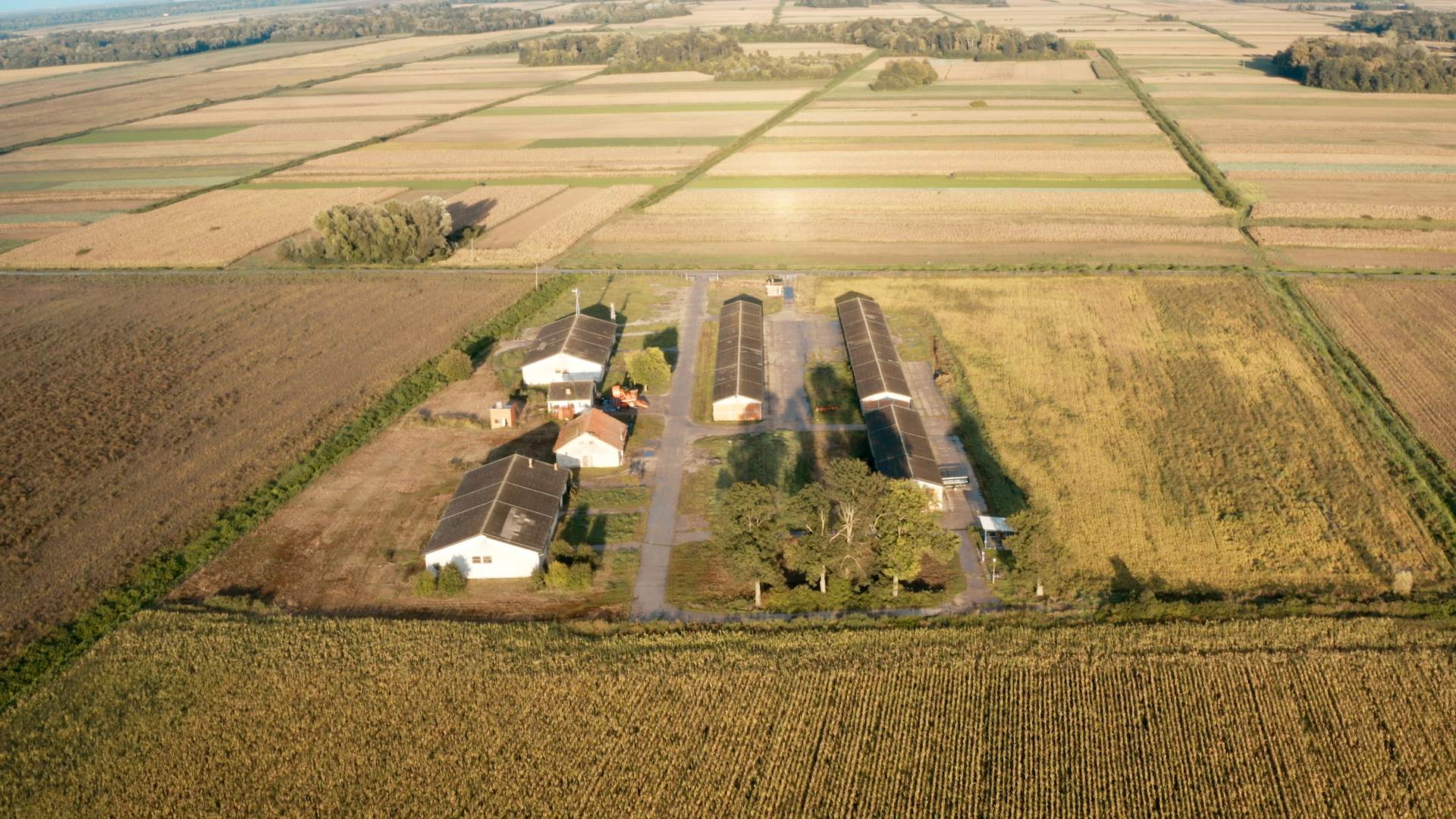
From being wounded in Srebrenica to humiliation and torture in Batković, all of this is part of Idriz’s life, and the images of abuse remain vivid in his memory. Although he has never returned to the place where he was detained, he hopes that one day it will bear witness to those crimes as a lesson for future generations.
Idriz Smajlović — “Batković” camp, Bijeljina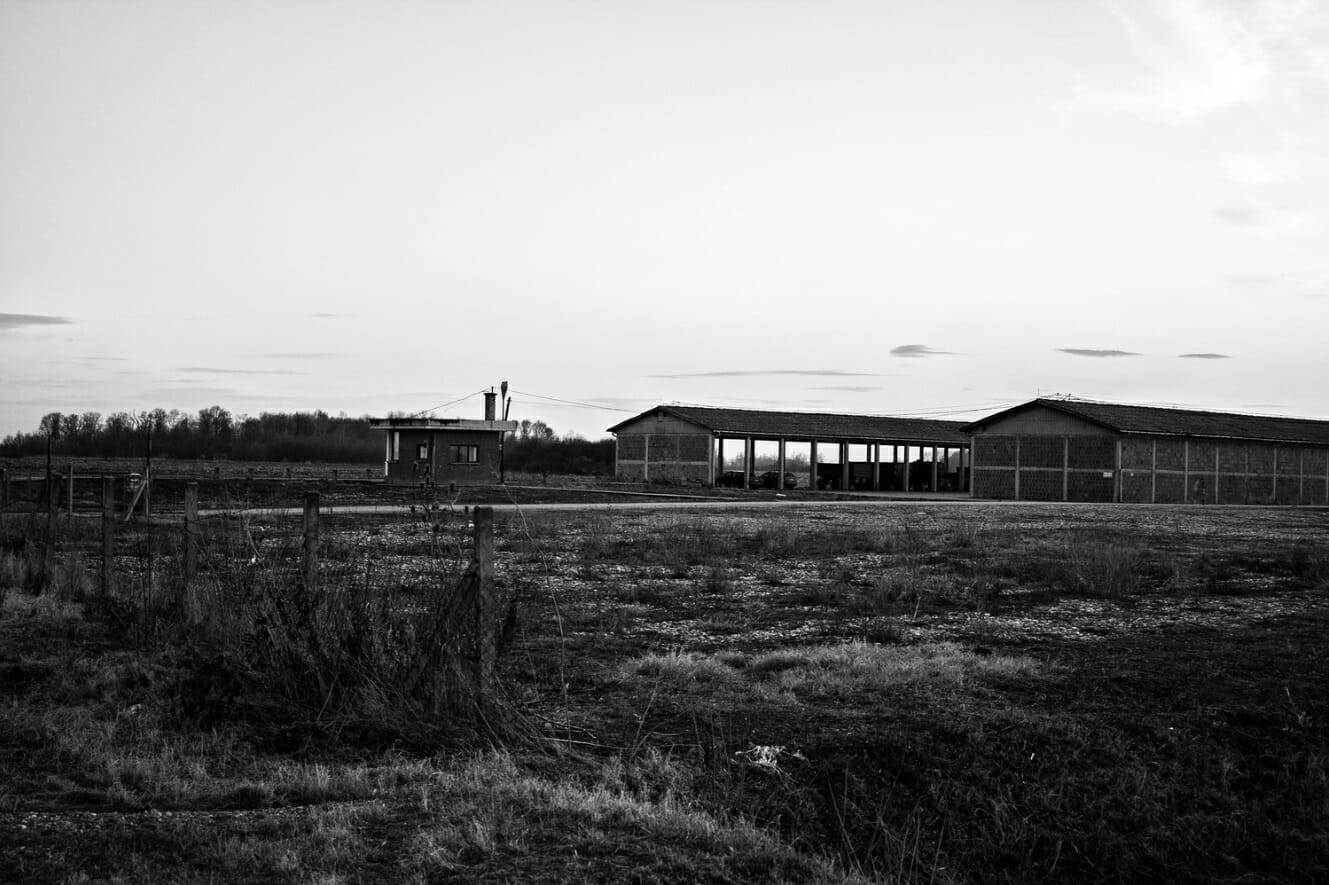
Related content

Batković
selo Batković bb, 76300 Bijeljina