Sušica
Sušica bb, 75440 Vlasenica1992
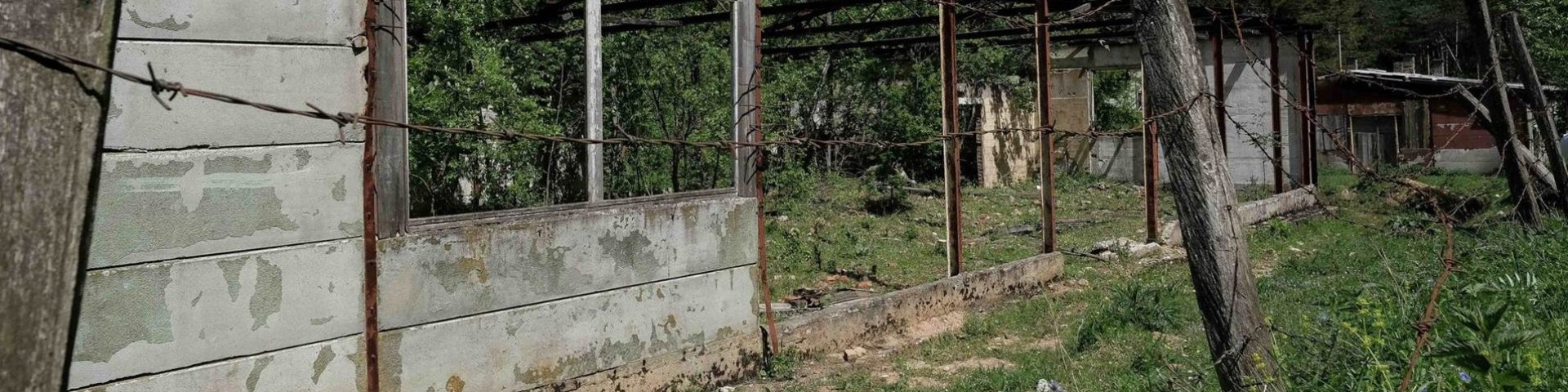
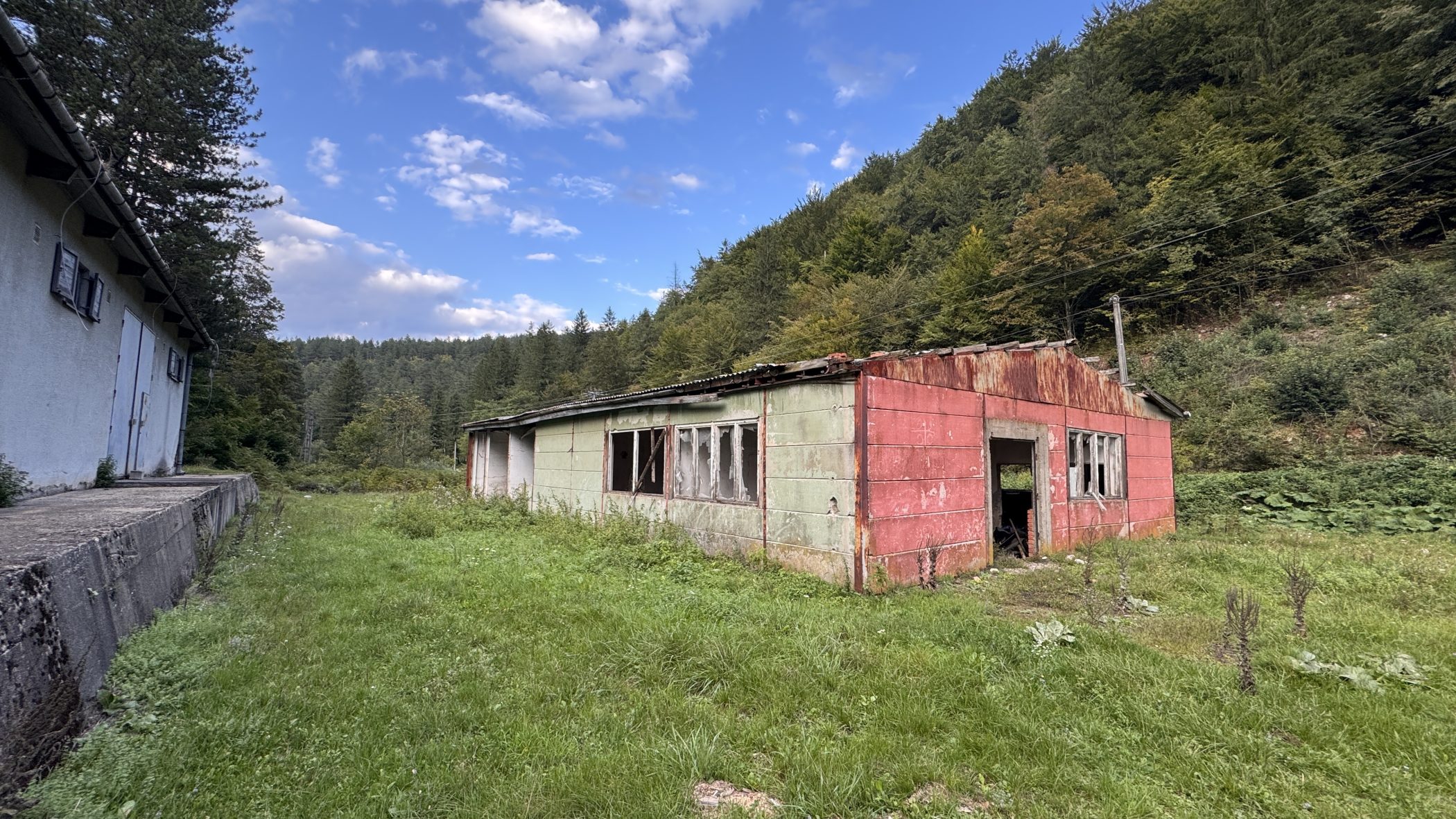
Residents of Vlasenica and the surrounding area were detained in barracks in the settlement of Sušica starting from the end of May 1992. Detainees were subjected to many kinds of mistreatment. Some were taken from the camp and disappeared, some died as a result of beatings and some were executed.
Court facts
ICTY
Serb forces, consisting of the Yugoslav People's Army (JNA) and paramilitary forces, took over the town of Vlasenica on April 21, 1992. (para. 52. Dragan Nikolić, p. 17.), (para. 349. Krajišnik, pp. 130-131.), (para. 1426. Stanišić and Župljanin, vol. I, p. 460.), (para. 1114. Karadžić, vol. I, p. 448-449.)
Early one morning in June 1992, Serb soldiers attacked the Bosniak-majority hamlet of Drum, not far from Vlasenica. More than 20 men were killed in the attack in a few minutes and the survivors were taken to the Sušica camp. (para. 352. Krajišnik, pp. 131-132.), (para. 1438. Stanišić and Župljanin, vol. I, p. 465.), (paras. 1150-1151. Karadžić, vol. I, pp. 463-464.), (para. 1766. Mladić, vol. II, p. 910.)
In addition to the Sušica camp, in 1992 the Serb authorities held civilians, mostly of Bosniak ethnicity, in several detention centres in the Vlasenica area. These include the police building, the municipal prison, the Vlasenica high school, the Milići sawmill, the primary school, the cooperative stables in Piskavice, the Panorama hotel, the military sports hall, the Milići Cultural Centre, the Luka camp, and the Šošari poultry farm. (paras. 351-356. Krajišnik, pp. 131-134.)
On May 31, 1992, Serb forces established a concentration camp in Sušica, guarded by the army and police. (para. 55. Dragan Nikolić, p. 17.), (para. 353. Krajišnik, p. 132.), (para. 1451. Stanišić and Župljanin, vol. I, pp. 469–470.), (para. 1181. Karadžić, vol. I, p. 473.), (paras. 1775-1776., 1795. Mladić, vol. II, pp. 918-919, 929-930.)
From the end of May to October 1992, several thousand Bosniak and other non-Serb detainees from Vlasenica and surrounding villages passed through Sušica. The number of detainees in the hangar, as a rule, ranged between 300 and 500 people. (para. 57. Dragan Nikolić, p. 18.), (para. 353. Krajišnik, p. 132.), (para. 1451. Stanišić and Župljanin, vol. I, pp. 469–470.), (para. 1794. Mladić, vol. II, p. 929.)
In the first days, over 1,000 people were detained in Sušica and only a few days later Serb officials allowed the departure of over 800 women after their valuables were confiscated and they signed a statement stating that they were voluntarily leaving the municipality. (para. 353. Krajišnik, p. 132.), (para. 1454. Stanišić and Župljanin, vol. I, pp. 470–471.), (para. 1844. Mladić, vol. II, p. 953.)
From mid-June to mid-July 1992, at least nine detainees were taken out, some of whom never returned. Some died from beatings and some were killed immediately. (paras. 72-86. Dragan Nikolić, pp. 20-23.), (para. 353. Krajišnik, p. 132.), (paras. 1477-1478, Stanišić and Župljanin, vol. I, p. 481.), (paras. 1203-1207. Karadžić, vol. I, pp. 484–486.), (para. 1770. Mladić, vol. II, pp. 913-914.)
The detainees were subjected to many kinds of mistreatment, including frequent beatings and stabbings. (paras. 91-104. Dragan Nikolić, pp. 24-27.), (paras. 1190-1193. Karadžić, vol. I, pp. 478-480.), (para. 1796. Mladić, vol. II, p. 930.), (para. 1459. Stanišić and Župljanin, vol. I, p. 473.)
The detainees were subjected to forced labour including burying the dead from the Drum settlement, digging trenches, and carrying ammunition to the front line. (para. 353. Krajišnik, p. 132.), (para. 1458. Stanišić and Župljanin, vol. I, p. 472.), (para. 1195. Karadžić, vol. I, p. 480.), (para. 1815. Mladić, vol. II, p. 939.)
Many of the detained women were subjected to sexual abuse and guards and other men who were allowed into the camp often took women out of the hangars at night. (para. 61. Dragan Nikolić, p. 18.), (para. 1469. Stanišić and Župljanin, vol. I, p. 478.), (para. 1194. Karadžić, vol. I, p. 480.)
In June 1992, detainees from Sušica were taken to the Batković camp. The Sušica camp operated until September 1992. At the end of September, 140 to 150 detainees were taken from the Sušica camp and killed. (para. 357. Krajišnik, p. 134.), (paras. 1470-1471. Stanišić and Župljanin, vol. I, pp. 478-479.), (paras. 1211-1213. Karadžić, vol. I, pp. 487-488.), (para. 1773. Mladić, vol. II, p. 916.)
The Serb police took these detainees to Debelo Brdo and killed them. (para. 1212. Karadžić, vol. I, pp. 487-488.)
Approximately 150 detainees were held in very difficult conditions in five rooms of the Vlasenica municipal prison where they were forced to perform tasks including burying corpses, removing property from abandoned Bosniak houses, and digging trenches on the front line. (para. 354. Krajišnik, p. 133.), (para. 1447-1449. Stanišić and Župljanin, vol. I, pp. 468-469.), (para. 1174-1179. Karadžić, vol. I, pp. 471-472.)
It was established that approximately 160 men were detained in the Vlasenica high school from May 31, 1992 to June 8, 1992, after which they were transferred to the Sušica camp. (para. 1802. Mladić, vol. II, p. 933.)
Court of Bosnia and Herzegovina
In mid-May 1992 – after the departure of the JNA, which had left the Bosnian Serbs with equipment, armoured vehicles, tanks, and weapons – the movement of the non-Serb population was restricted and they were dismissed from their jobs. The Serb army and police began to search Bosniak houses without authorisation and detained civilians in the police building, the prison behind the court building, and in the Sušica camp. (The terms “detention facility” and “camp” are used for Sušica in the judgment in the “Stupar and Tešić” case.) (Bastah and Višković, p. 31.), (para. 149. Stupar and Tešić, p. 51), (paras. 187., 196., 216. Predrag Bastah, pp. 53, 55, 62.), (para. 39. Goran Višković, p. 29.)
In early June 1992, 34 Bosniak civilians were killed at the Mračni dol (Mračnica) site. (paras. 280., 367. Predrag Bastah, pp. 4-5, 76-77, 98.)
The victims had previously been taken out of the prison behind the court building and the Sušica camp, and one person survived the shooting. (para. 226. Predrag Bastah, pp. 4-5, 64-65.)
Their remains, as well as the remains of three other victims, were exhumed at the Mračni dol – Sušica site. (paras. 391-392. Predrag Bastah, pp. 4-5, 102-103.)
Sušica was a concentration camp where Bosniak civilians were detained, held in extremely inhumane conditions, and subjected to almost daily abuse, as well as psychological and physical mistreatment. (Bastah and Višković, pp. 39-40.), (para. 161. Stupar and Tešić, pp. 53-54.), (Goran Višković, pp. 6-9.)
The camp was established at the end of May 1992, and the detainees were brought to Sušica at the beginning of June 1992. (Bastah and Višković, p. 41.), (para. 161. Stupar and Tešić, pp. 53-54.), (para. 216. Rade Garić, p. 85.), (para. 206. Predrag Bastah, p. 59.)
About 10 detainees in Sušica were taken out in front of the hangar in the first half of June 1992 and killed, and the body of only one of the victims was found at the Debelo brdo – Ogradice location. (para. 80-81. Goran Višković, pp. 4, 39-40.)
Several detainees, some of whom had been previously beaten, were taken from the Sušica camp during June 1992, and since then all trace of them has been lost. The bodies of some victims were exhumed after the war. (Bastah and Višković, pp. 4-5., 61-62., 68-70.), (paras. 425-438. Rade Garić, pp. 6, 163-166.), (para. 103. Goran Višković, pp. 5-8, 45.)
Detainees were brought to Sušica from the police station, where they were previously tortured. (paras. 457-465., 491-494. Rade Garić, pp. 5, 173-176, 185-186.)
Prisoners from Sušica were taken to perform forced labour, during which they were physically and mentally abused. (Bastah and Višković, pp. 4, 62-64.), (paras. 104-105. Goran Višković, pp. 4, 5, 45.)
Female detainees in Sušica were raped and sexually abused in other ways. (Bastah and Višković, pp. 4, 64-65.)
After being beaten, some of the detainees from Sušica were transported to Kladanj, along with several other women and children. In the town of Luka they were taken off the bus and since then all trace of them has been lost. (Goran Višković, pp. 8-9.)
At the end of June 1992, a large number of detained men were transferred from the Sušica camp to the larger Batković camp near Bijeljina. (para. 217. Rade Garić, pp. 85-86.)
Serb forces took non-Serb civilians from the village of Alihodžići to Sušica, from where the women and children were transferred to Cerska, under the control of the Army of the Republic of Bosnia and Herzegovina. (para. 359, 373. Stupar and Tešić, pp. 103, 106-107.)
Several non-Serb civilians were arrested in September 1992 and, after six days of detention in Sušica, were transferred towards Kladanj. (para. 85, 89-90. Goran Višković, pp. 9, 41, 42.)
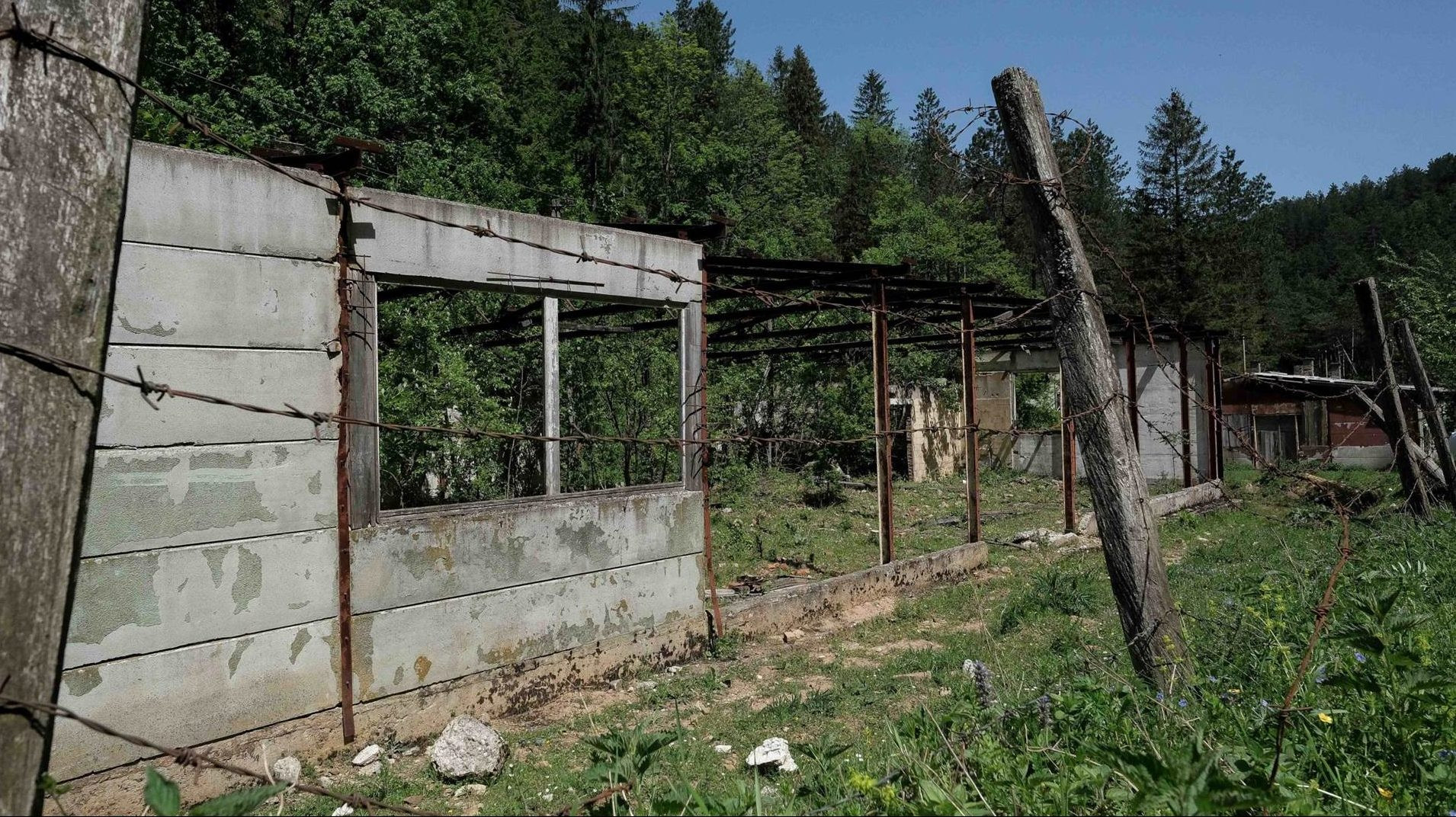
Inhumane conditions, hunger, and beatings were everyday reality in Sušica near Vlasenica, where Hilmo Hurić was imprisoned with his wife and children during the war. He wants the place where he witnessed and suffered pain — and where others died — to have a memorial stating what happened.
Hilmo Hurić — “Sušica” camp, Vlasenica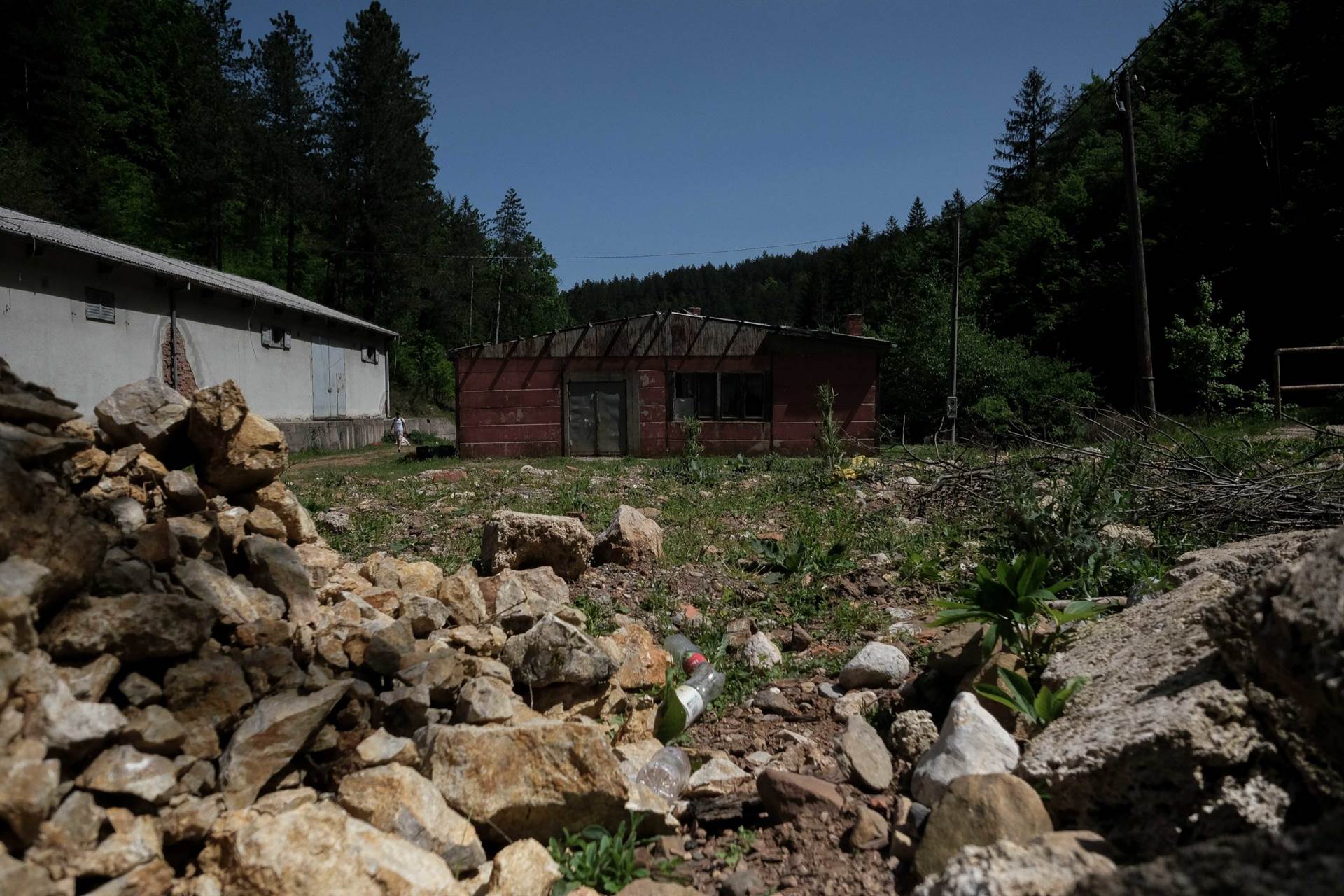
Related content

Sušica
Sušica bb, 75440 Vlasenica