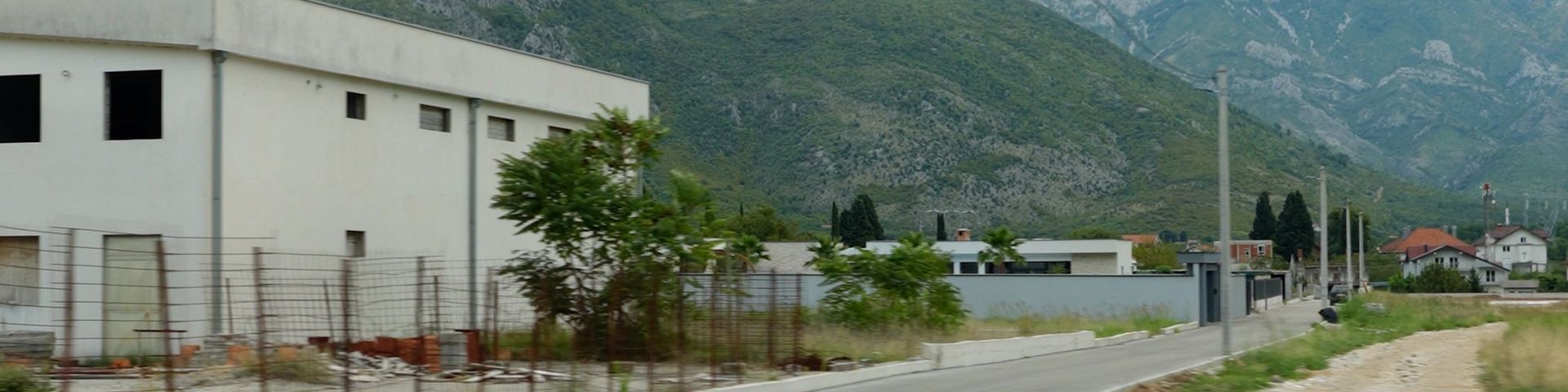
Vojno
Vojno bb, 88000 Mostar1993. - 1994.
The Vojno concentration camp was composed of multiple facilities in the settlement of Vojno. The facilities were one of the detention centres for Bosniak civilians and soldiers in the area of Mostar during 1993 and 1994. Detainees there were subjected to violence and cruel treatment.
Court facts
ICTY
Early in the morning of May 9, 1993, the Croatian Defence Council (HVO) attacked Mostar with artillery, mortars, and heavy and light weapons. They controlled the entrances to the city and announced on Mostar radio that all Bosniaks must display white flags in their windows. (para. 39. Naletilić and Martinović, p. 16.), (para. 775. Prlić et al., vol. II, p. 191.)
Following the attack by the Army of the Republic of Bosnia and Herzegovina (ARBiH) on June 30, 1993, the HVO arrested several thousand Bosniak men in Mostar and the surrounding area, including members of the ARBiH and Bosniaks serving in the HVO. These men were detained at the Heliodrom or the Dretelj prison. (para. 895. Prlić et al., vol. II, p. 225.)
From August 1993 to January 1994, detainees were also sent to the Vojno detention centre and detained there. (para. 1669. Prlić et al., vol. II, pp. 451-452.)
Detainees in Vojno were subjected to violence and cruel treatment from November 8, 1993 to January 28, 1994. (para. 1709. Prlić et al., vol. II, p. 461.)
One of the detainees was beaten and shot dead on December 5. (para. 1716. Prlić et al., vol. II, p. 463.)
Detainees from Vojno were forced to perform manual labour, such as building HVO fortifications on the front lines while fighting was ongoing. (paras. 1728., 1731. Prlić et al., vol. II, pp. 466-467.)
From August 1993 to March 1994, detainees who were taken to perform work on the front lines were subjected to severe violence, some of them were wounded, several lost their lives, and five were killed in the period from September 2, 1993 to January 31, 1994 while performing work in the Vojno area. (paras. 1749., 1757. Prlić et al., vol. II, pp. 472-474.)
The detainees in the Vojno detention centre were members of the ARBiH and civilians. (para. 1757. Prlić et al., vol. II, p. 474.)
Court of Bosnia and Herzegovina
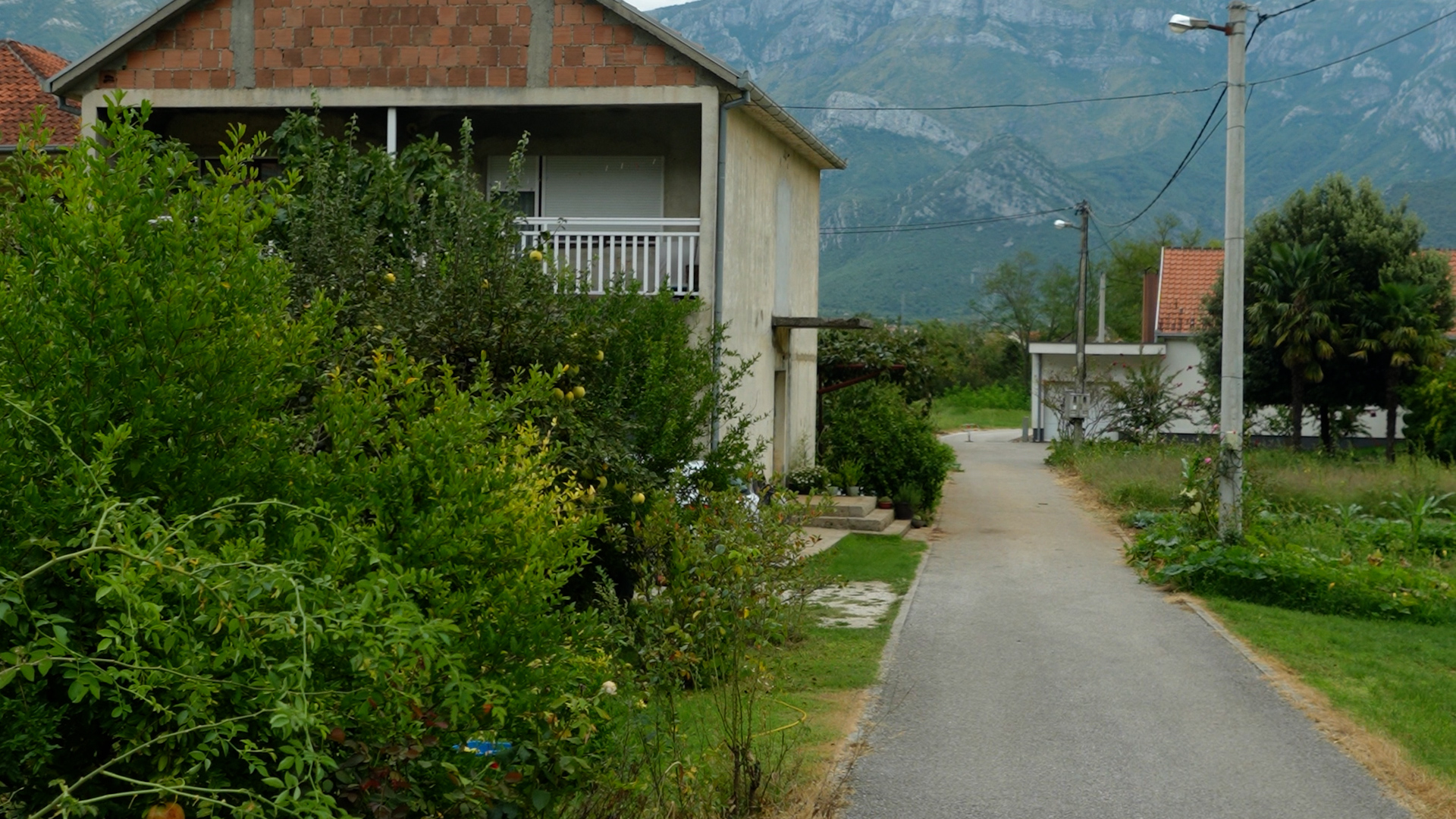
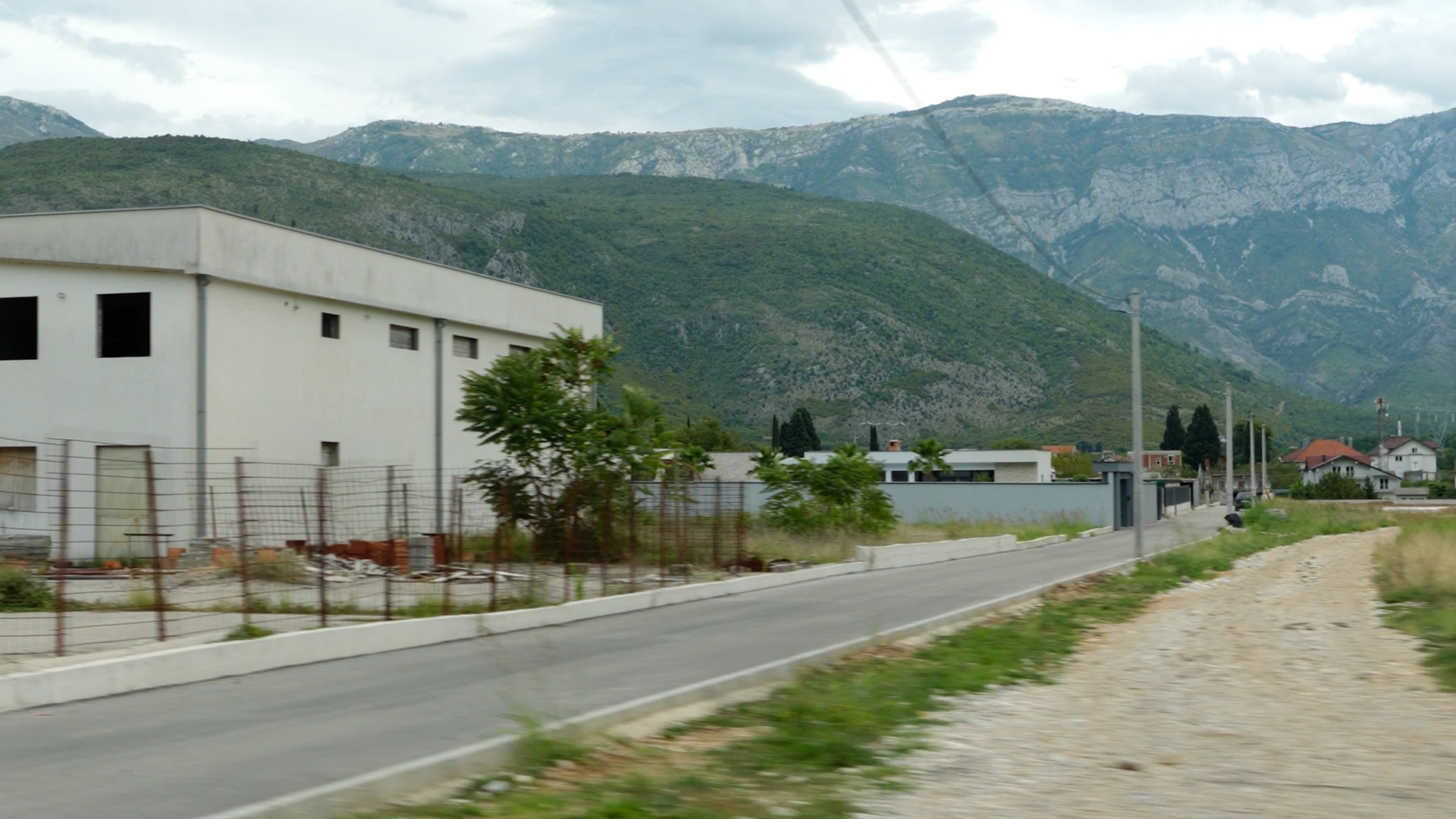
The Vojno concentration camp (these verdicts, in addition to the term camp, also use the terms prison and detention centre) consisted of several buildings. It was not fenced and its external appearance did not give the impression of a camp, except that the rooms in which the detainees were held were locked. Civilians were imprisoned and held there without any court decision or proceedings for a criminal offense. (para. 740. Second-instance judgment Marko Radić et al., pp. 171-172.), (paras. 298-299. Jure Kordić et al., pp. 106-107.)
The Vojno camp was established in July 1993 in the settlement of Vojno, which belongs to the Bijelo Polje area. It held persons of Bosniak nationality detained by the HVO. (para. 765. second-instance verdict Marko Radić et al., p. 175.), (para. 38. Miroslav Perić, p. 14.)
The Vojno detention centre held dozens of Bosniak women, children, and elderly people, as well as a large number of Bosniak men who were brought from the Heliodrom camp and detained at different times, and later returned to that camp. (para. 238. Marko Radić et al. second-instance judgment, p. 85.), (para. 300. Jure Kordić et al., p. 107.)
The most frequent arrests and transfers to Vojno were in July, August, and September 1993. (para. 767. Marko Radić et al. second instance judgment, p. 175.), (paras. 403-411., 418-426., 432-440., 447-456. Jure Kordić et al., pp. 8-9, 142-144, 147-149, 152-153, 156-159.)
The men in Vojno were held in the garage and basement of one house, and the women in the premises of two houses. The conditions of detention were unbearable and the detainees did not have adequate medical care. They were beaten and physically and mentally abused. (paras. 257, 267. Marko Radić et al. second instance judgment, pp. 89, 91.)
Bosniak civilians who were arrested in the Panjevina settlement in the second half of July 1993 and imprisoned in the basement of a house in the Rudnik settlement were transferred to Vojno. (paras. 368-376. Jure Kordić et al., pp. 7, 129-131.)
The detained men in the Vojno camp were subjected to forced labour along the front line, including Bočine, the area near the Zalihići houses, part of Bijelo Polje, Vojno, Potoke, Elementara and Livač, while the detained women performed various jobs for members of the HVO. (paras. 275., 278-279., 792. Second-instance judgment Marko Radić et al., pp. 93, 94, 179.)
One of the detainees was killed in late August 1993 while performing forced labour in Bijelo Polje, after which other detainees buried his body, which was later exchanged. (paras. 292-300. Marko Radić et al. Appeal Judgement, pp. 96-97.)
Two detainees were stabbed to death in a garage in September 1993 after being beaten, and another was killed in front of the garage while trying to escape. Another body was seen in front of the garage. (paras. 330-344. second-instance verdict Marko Radić et al., pp. 102-104.), (paras. 384-392. Jure Kordić et al., pp. 8, 135-138.)
One detainee was killed and another was wounded in September 1993 during the transport of about 50 detainees from the Heliodrom camp to the Vojno camp for forced labour. During the transfer the detainees were tied to each other. Later another detainee from the Heliodrom was killed. (paras. 345-356, second-instance verdict Marko Radić et al., pp. 104-107.)
During November, late December 1993, and early January 1994, four detainees from the Vojno camp were killed during forced labour on the front line in Bijelo Polje. Others were physically abused during the work on the front line. (paras. 301-329., 377. second-instance judgment Marko Radić et al., pp. 98-101, 111.)
Some detainees were unable to walk after their torture. Among the beaten detainees were minors. (paras. 381-396. Marko Radić et al. second instance verdict, pp. 111-113.), (para. 58. Miroslav Perić, pp. 4, 19.), (paras. 498-507. Jure Kordić et al., pp. 10, 175-177.)
Female detainees who were brought to the Vojno camp were also abused and subjected to forced labour. (paras. 606-612. Jure Kordić et al., pp. 210-212.)
During their detention in the Vojno camp, at least 10 female prisoners were raped and sexually abused. (paras. 533-683. second-instance judgment Marko Radić et al., pp. 134-162.), (paras. 480-490., 591-594., 618-622. Jure Kordić et al., pp. 10, 169-171, 204-206, 214-215.)
Some of the detainees from the Vojno camp died as a result of being beaten with police batons, tool handles, boots, pistols, and subjected to electric shocks, while some were taken to an unknown destination and their bodies were exchanged in 1994. (paras. 370-380., 397-501. second-instance verdict Marko Radić et al., pp. 110-111, 113-129.)
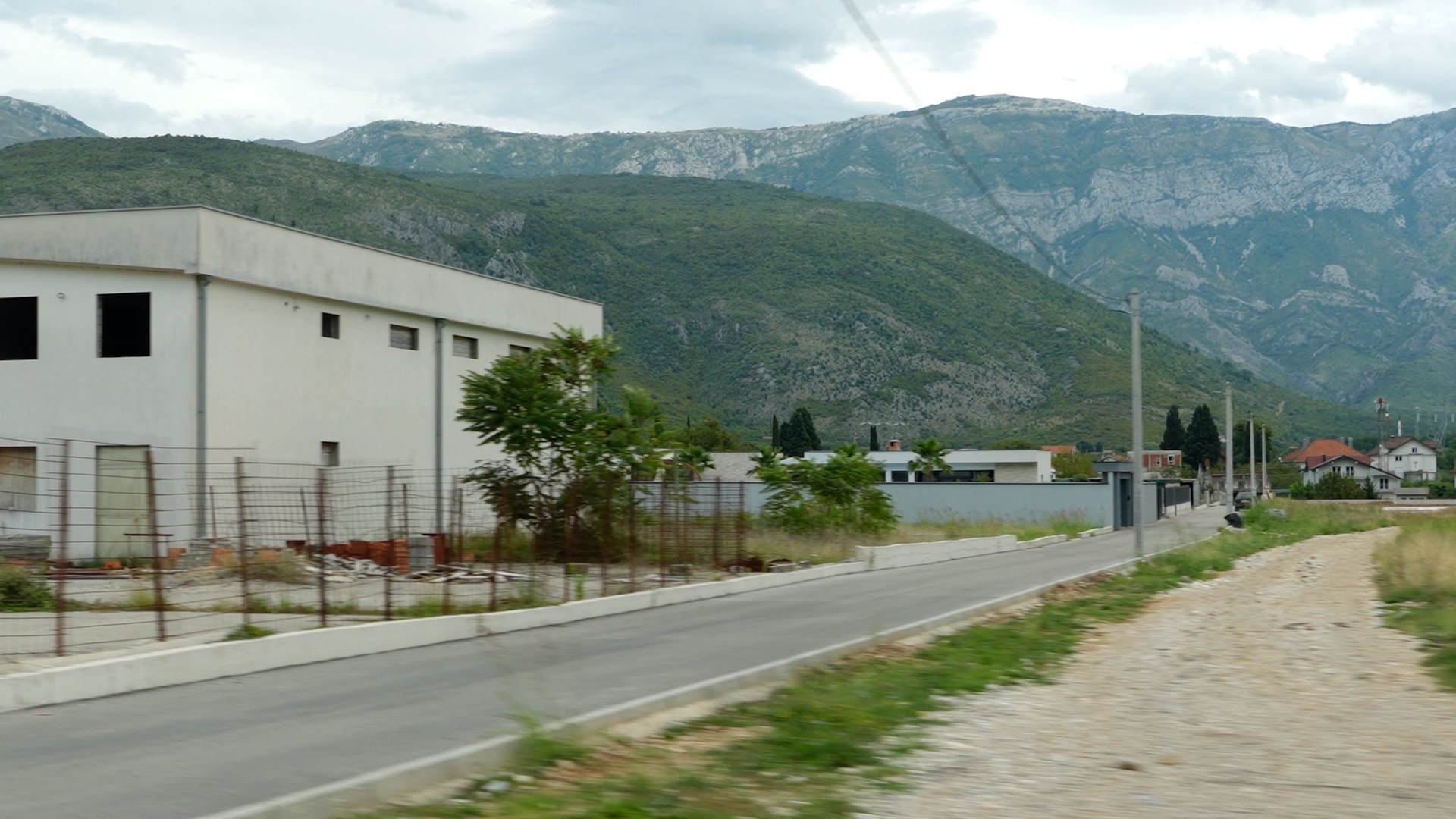
At the age of 17, Vedad Ćorić was tortured with electric shocks in the “Vojno” camp near Mostar. His pleas to guards to kill him and end his suffering testify to the cruelty of a camp that remains unmarked to this day.
Vedad Ćorić — “Vojno” camp, Mostar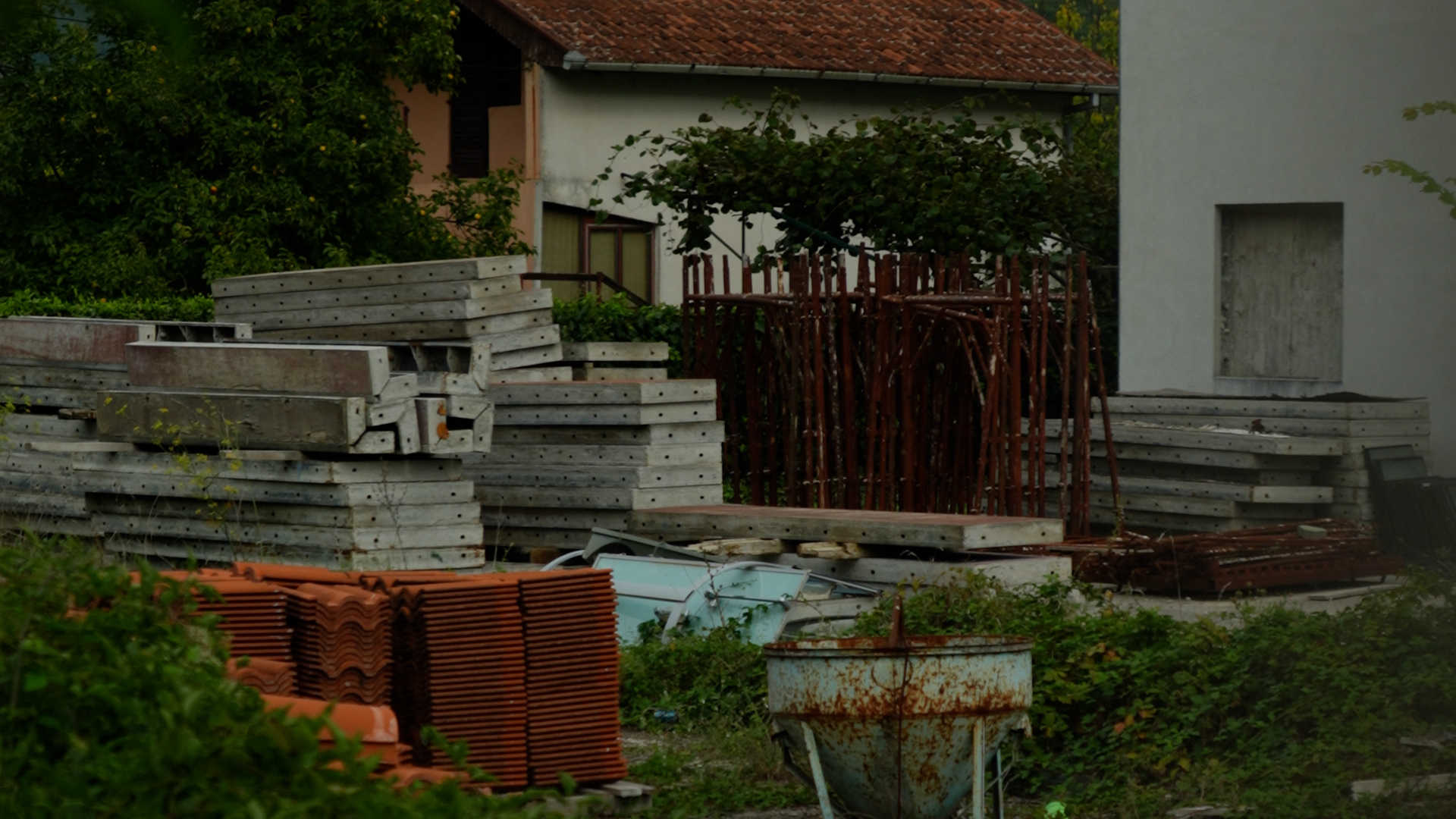
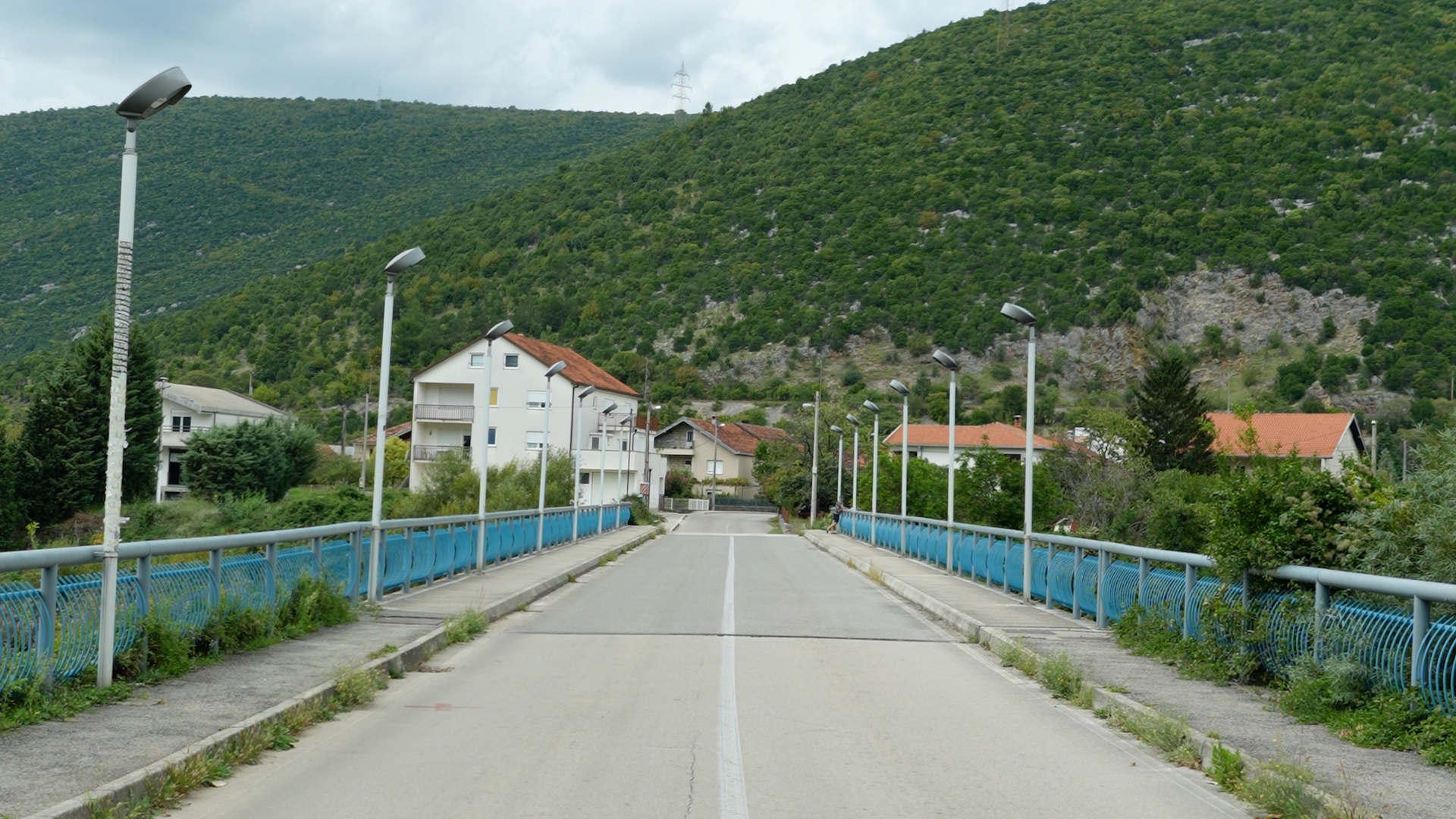
Related content

Vojno
Vojno bb, 88000 Mostar