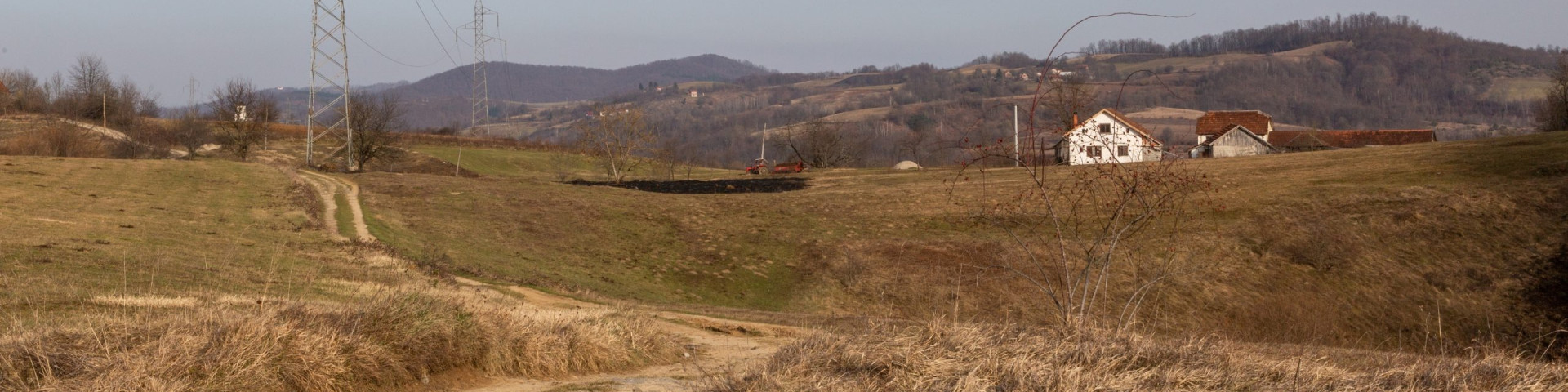
The Lisac Pit
Donji Dubovik bb, 79227 Krupa na Uni1992
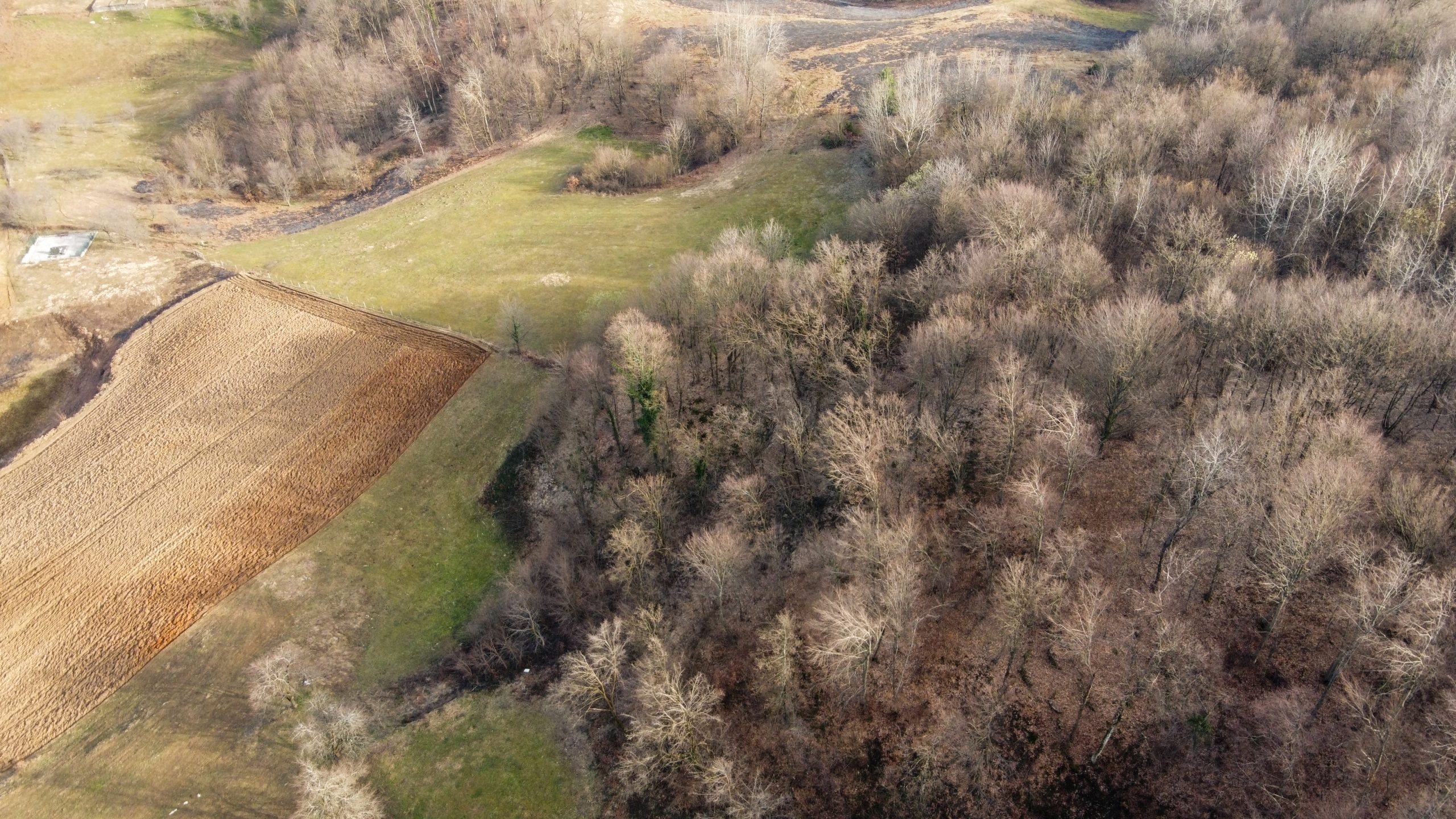
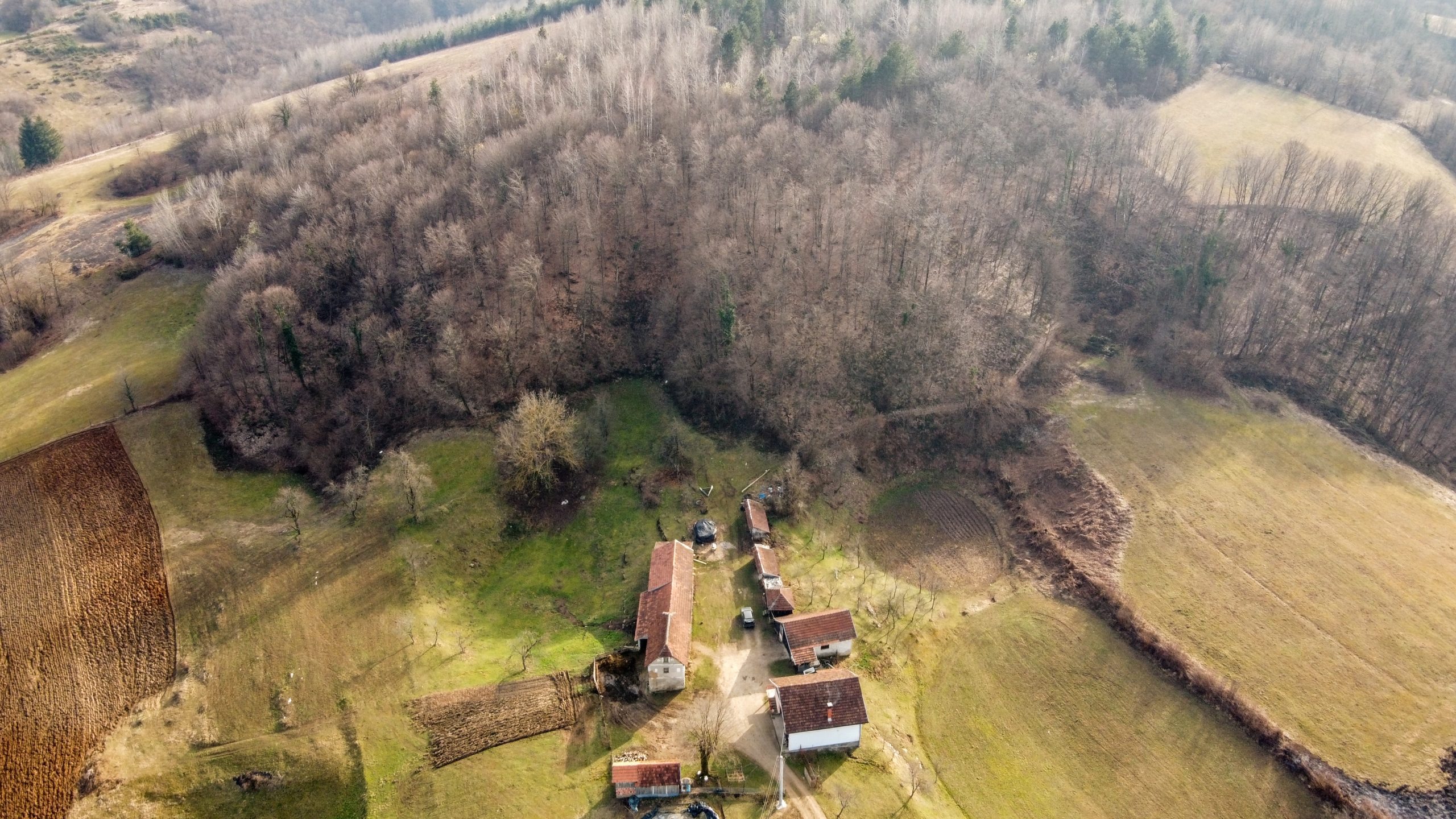
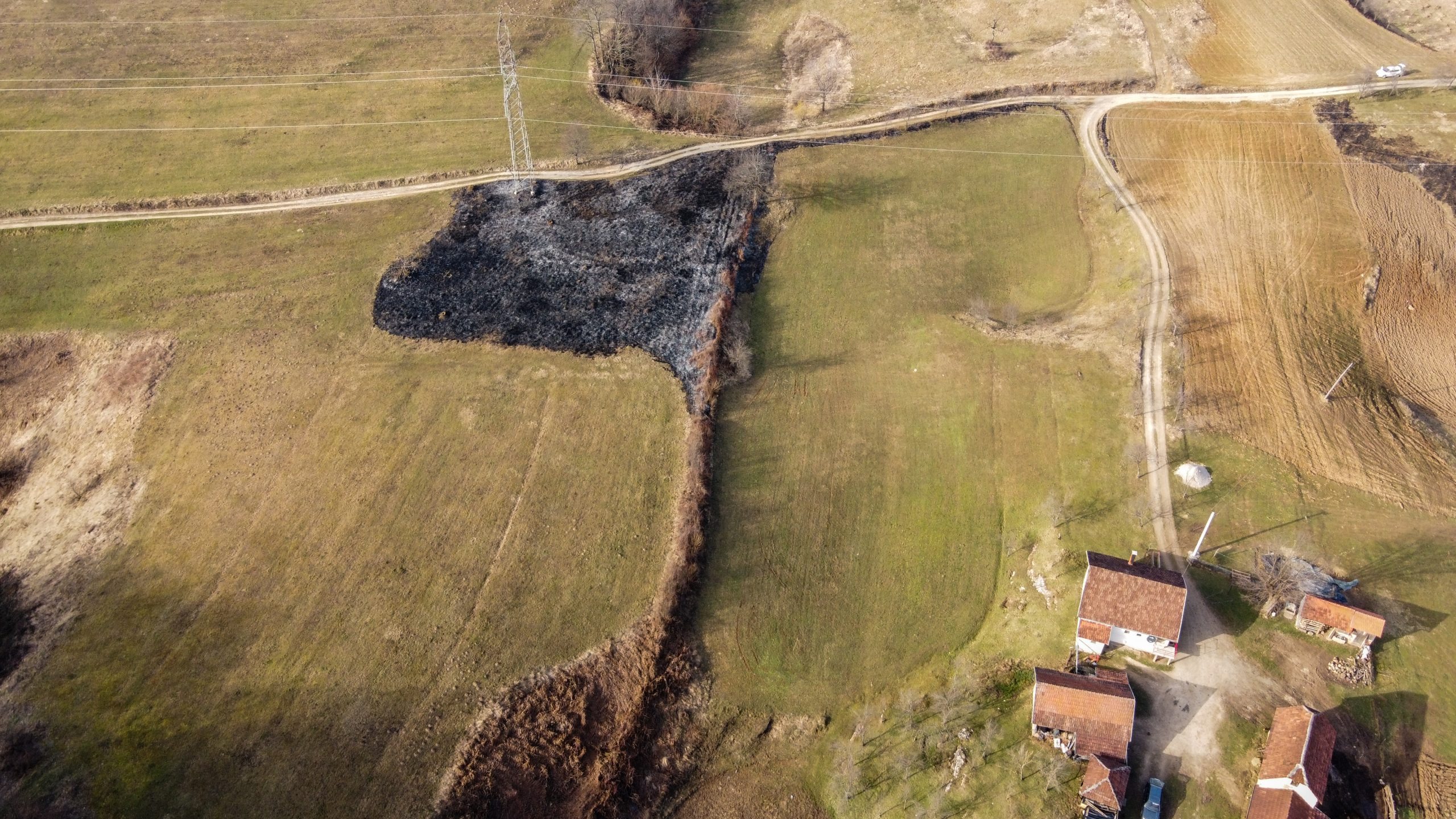
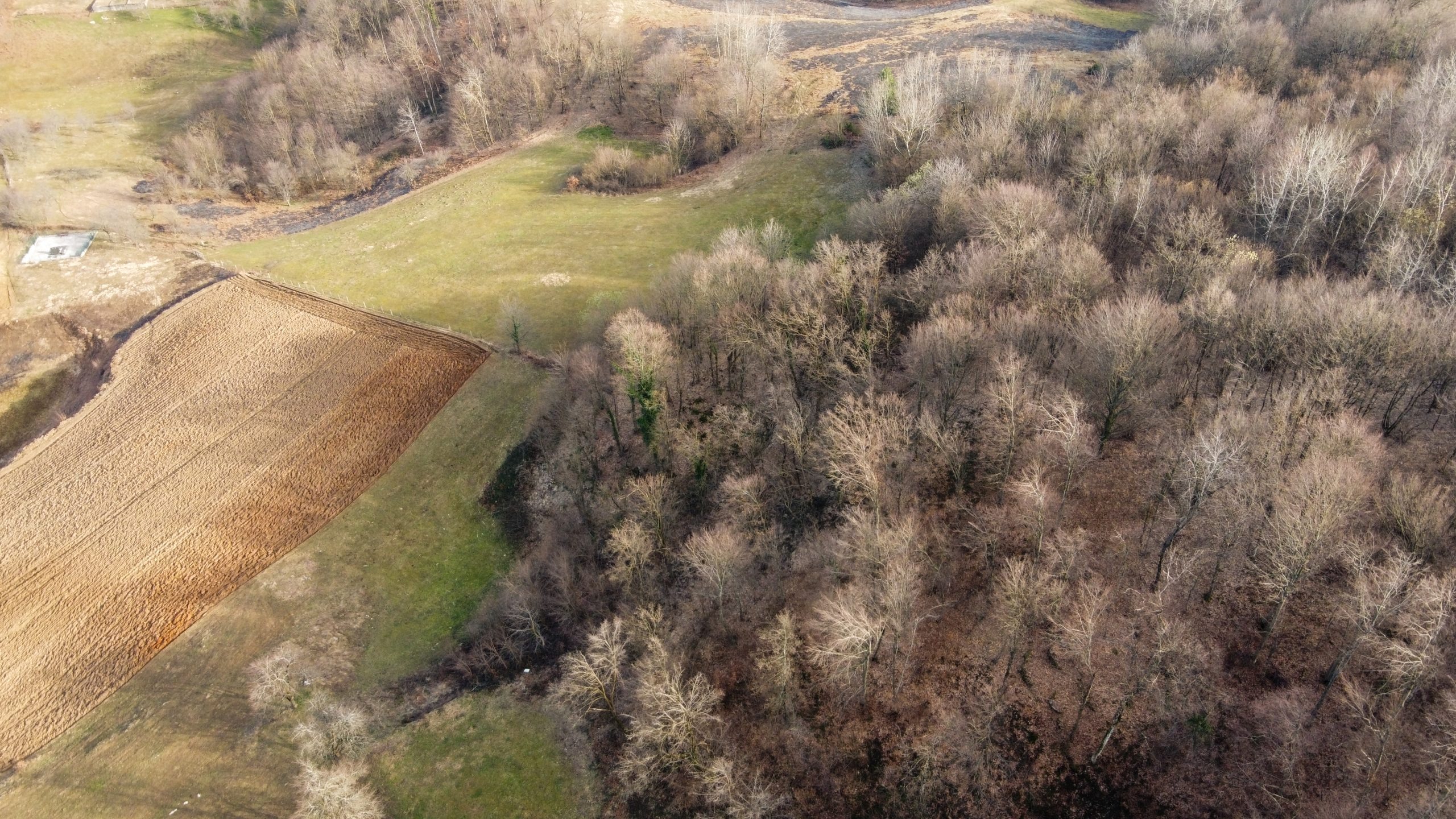
This primary mass grave is located in the village of Donji Dubovik in the municipality of Bosanska Krupa, about 50 kilometres from the city of Prijedor. It is a natural pit situated in a wooded area. The remains of 54 people, including two women, were exhumed from the pit in 2000.
Court facts
ICTY
At the end of July 1992, at least 44 people were taken out of the Omarska camp, told they were going to Bosanska Krupa for exchange, and were put on a bus. Their bodies were later exhumed from the Lisac Pit. (para. 210. Stakić, p. 63.), (para. 1767. Karadžić, vol. II, p. 709.)
Court of Bosnia and Herzegovina
The arrests of Bosniak and Croat civilians began on May 24, 1992, and some of the prisoners were taken first to Keraterm, where they were held for a short time, and then transferred to the Omarska camp. (Željko Mejakić et al., p. 129.)
The Omarska camp consisted of an administration and hangar building and two smaller buildings, called the white house and the red house. The first three buildings housed detainees, as did a concrete surface called the “runway”. (Željko Mejakić et al., p. 74.)
Around 3,000 civilians were detained in Omarska, including more than 30 women. (Željko Mejakić et al., p. 74.)
The first groups of detainees were brought to Omarska on the night of May 27, 1992, while the last detainees were taken from the camp around August 21, 1992. (Željko Mejakić et al., pp. 71-72.)
The first mass deportation of prisoners from Omarska took place in early August 1992, when a large number of prisoners from that camp were taken to the Trnopolje and Manjača camps. (Željko Mejakić et al., pp. 72-73.)
Conditions in the Omarska camp were harsh and degrading, and some of the detainees went without even a meager meal for days. (Željko Mejakić et al., pp. 76, 79, 81.)
The detainees in the Omarska camp were subjected to daily interrogations, during which they were beaten and some of them were killed, and they were often beaten when they went to lunch. (Željko Mejakić et al., pp. 83, 85-87.)
In addition to physical abuse, the detainees were also subjected to psychological abuse, and the daily beatings caused the deaths of at least 100 detainees. (Željko Mejakić et al., pp. 87-89.)
The killing of detainees continued in July 1992. (Željko Mejakić et al., pp. 99-101, 104-105.)
Some of the detainees were taken from Omarska at the end of July 1992, and since then all trace of them has been lost. (Željko Mejakić et al., pp. 102-103, 105.)
In the second half of July 1992, 44 Bosniak and Croat civilians were taken from the Omarska camp, including two women, who were allegedly taken by minibus for an exchange. They were taken out of the vehicle in Donji Dubovik, tied with wire, and shot dead. (paras. 96-111. Dušan Ćulibrk, pp. 3, 31-36.)
The bodies of those killed in Donji Dubovik were exhumed after the war in the Lisac Pit. (paras. 96-111. Dušan Ćulibrk, pp. 3, 31-36.)
In early August 1992, a group of seven Bosniak civilians were intercepted in Donji Dubovik while trying to go from Prijedor to Bihać. They were stopped and shot dead and their bodies were found in the Lisac Pit. (paras. 125-139. Dušan Ćulibrk, pp. 3, 39-42.)
Mejra’s daughter was taken from the Omarska camp under the pretence of an exchange, murdered, and thrown into the “Lisac” pit. She spent years searching for the truth about her daughter Edna’s fate. Although she found her remains, she still hopes to prevail in the struggle for truth and justice.
Mejra Dautović — “Lisac” pit, Bosanska Krupa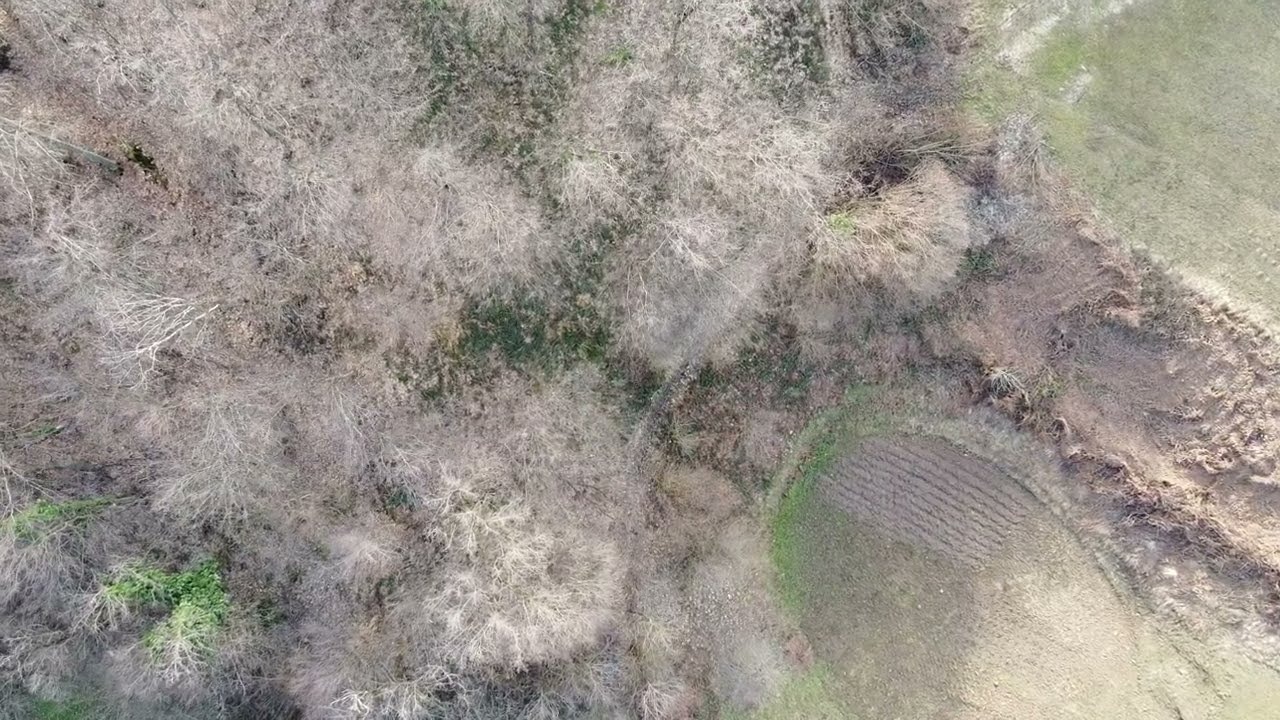
Related content

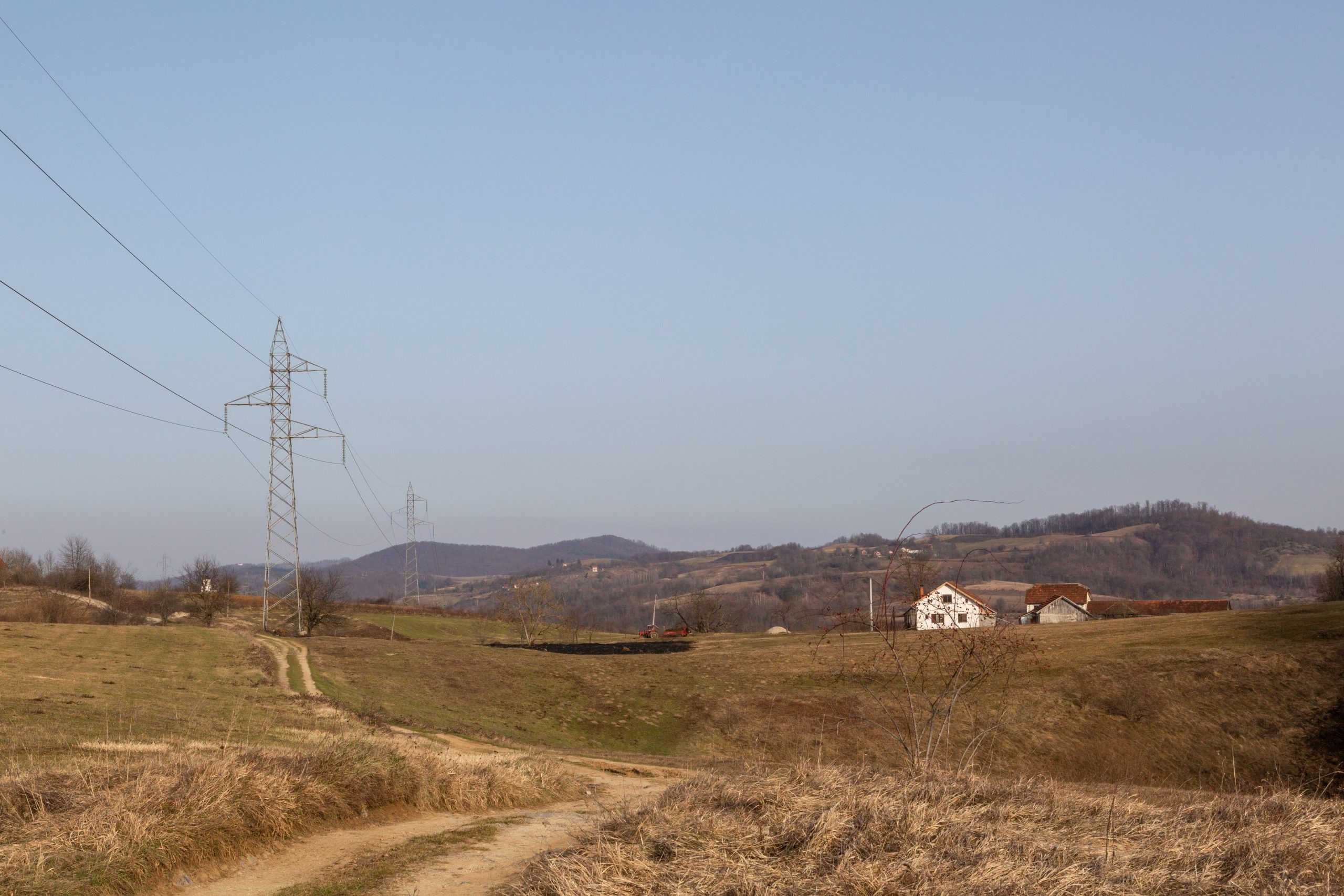
The Lisac Pit
Donji Dubovik bb, 79227 Krupa na Uni