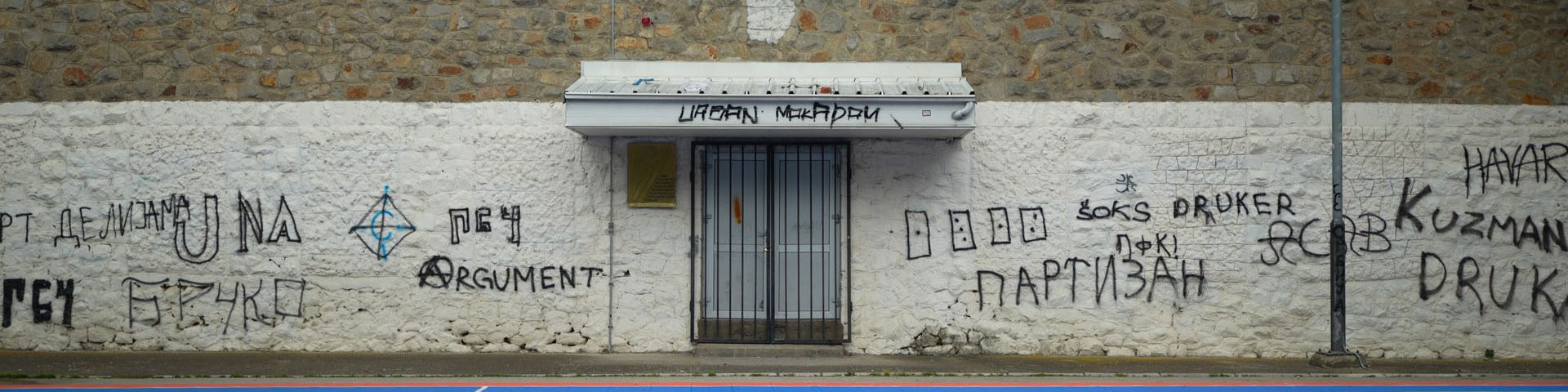
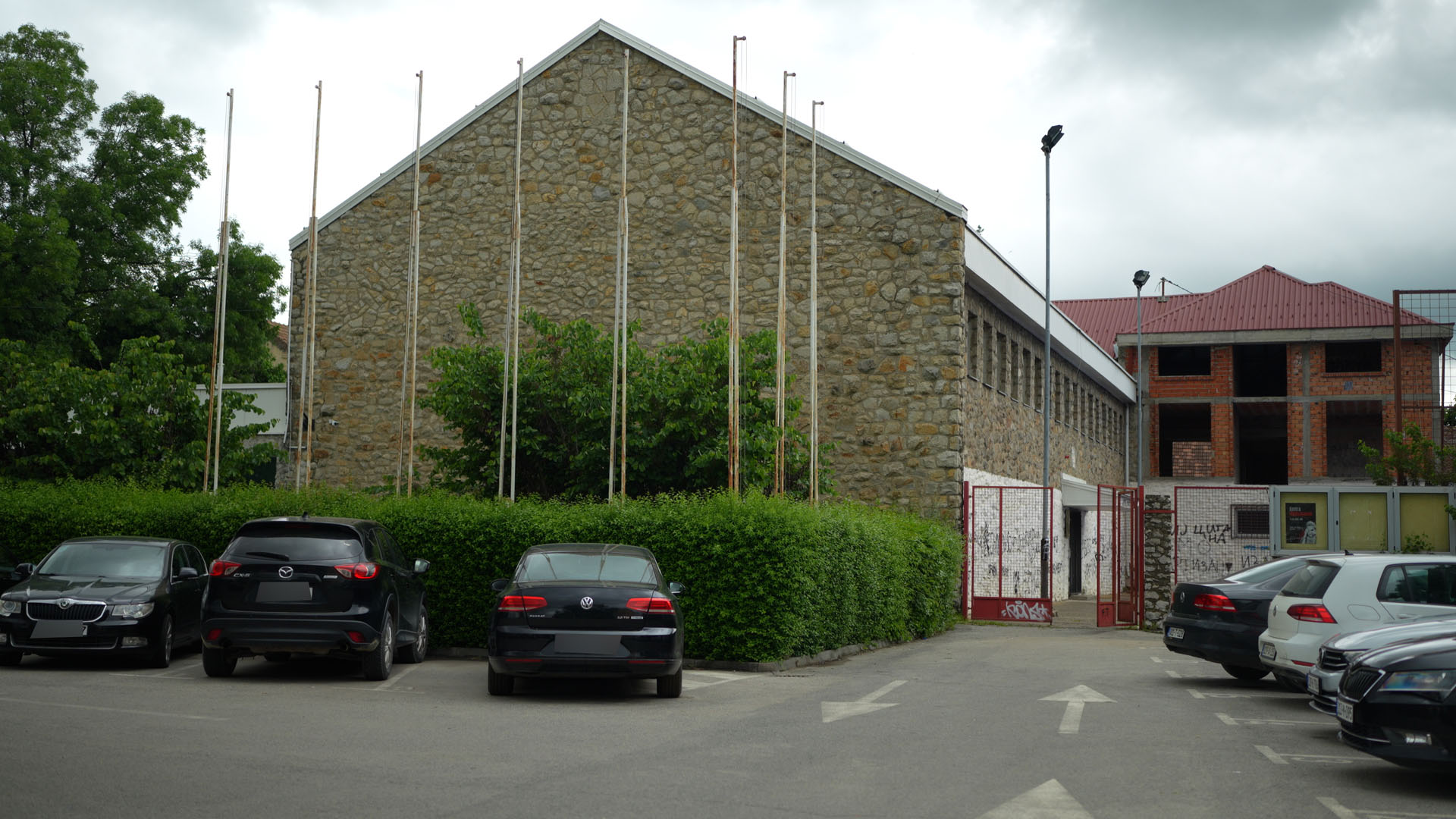
Partizan Sports Hall
Vuka Stevanovića Karadžića 12, 76100 Brčko1992
From May 3, 1992 onwards, Serbs in the Brčko Municipality detained mostly Bosniak and Croat civilians at 14 locations, including the Partizan Sports Hall, where detainees lived in poor conditions and were subjected to interrogations, physical and mental abuse and killings.
Court facts
ICTY
In April 1992, tanks and heavy vehicles of the Yugoslav People’s Army (JNA) appeared in Brčko. The JNA dug trenches and set up machine gun nests and many citizens began to flee the city. (para. 1053. Stanišić and Župljanin, volume I, p. 340.)
On April 30, 1992, Serb forces blew up two bridges over the Sava River which connected Brčko with Croatia. Between 70 and 100 civilians – men, women, and children – died. (para. 1054. Stanišić and Župljanin, vol. I, p. 340.)
Serb forces consisting of approximately 1,000 men (JNA units alongside more than 500 men in police and paramilitary formations from Bijeljina) launched an attack on Brčko around May 1, 1992 and quickly took control of the city. (para. 798. Karadžić, vol. I, pp. 309-310.), (para. 1055. Stanišić and Župljanin, vol. I, p. 341.)
In the days following the takeover of Brčko, Serb forces killed, beat, or otherwise mistreated a large number of civilians, mostly Bosniaks. (para. 1059. Stanišić and Župljanin, vol. I, p. 342.)
From May 3, 1992 onwards, Serbs detained mostly Bosniak and Croat civilians in 14 locations in the Brčko Municipality. These locations include, among others, the Brčko Public Security Station (SJB), the Laser bus company, the Partizan Sports Hall, the Vestfalija restaurant, the football stadium, the Lončari primary school, the Pelagićevo agricultural cooperative shops, the Kolobare Mosque, the Posavina Hotel, the Brčko Hospital, the fire station, the JNA garrison, and the Luka camp. (para. 1064, 1110. Stanišić and Župljanin, vol. I, pp. 345, 361.)
Guards and members of paramilitary formations killed several detainees in the Partizan Sports Hall in Brčko. (para. 1075-1076., 1102., 1114. Stanišić and Župljanin, vol. I, pp. 349-350, 359, 362-363.), (para. 11. Češić, p. 3.)
Court of Bosnia and Herzegovina
The non-Serb population was detained in various detention facilities including Brčko’s Wooden Mosque, the health centre, police premises, the JNA barracks, the Laser bus company, the Partizan TV station hall, and hangars in Brčko’s Luka compound, where they were held in poor conditions and subjected to interrogations, physical and psychological abuse, and murder. (paras. 203-204. Đorđe Ristanić, pp. 77-78.)
Several hundred civilians were brought to the Brčko Health Centre, where women, children, and the elderly were separated and transported to the Laser bus company compound, the Partizan TV station hall, and the JNA barracks. The men were detained in the Wooden Mosque, where they were subjected to physical and psychological abuse, after which some were taken to the Brčko Health Centre where they were interrogated and beaten. (para. 253. Đorđe Ristanić, pp. 6-19, 91.)
The detained civilians were victims of torture, inhumane treatment, and murder. The bodies of a number of murder victims were found in the Gorice mass grave, and subsequently exhumed and identified. The bodies of a large number of victims are still being searched for. (para. 253. Đorđe Ristanić, pp. 6-19, 91.)
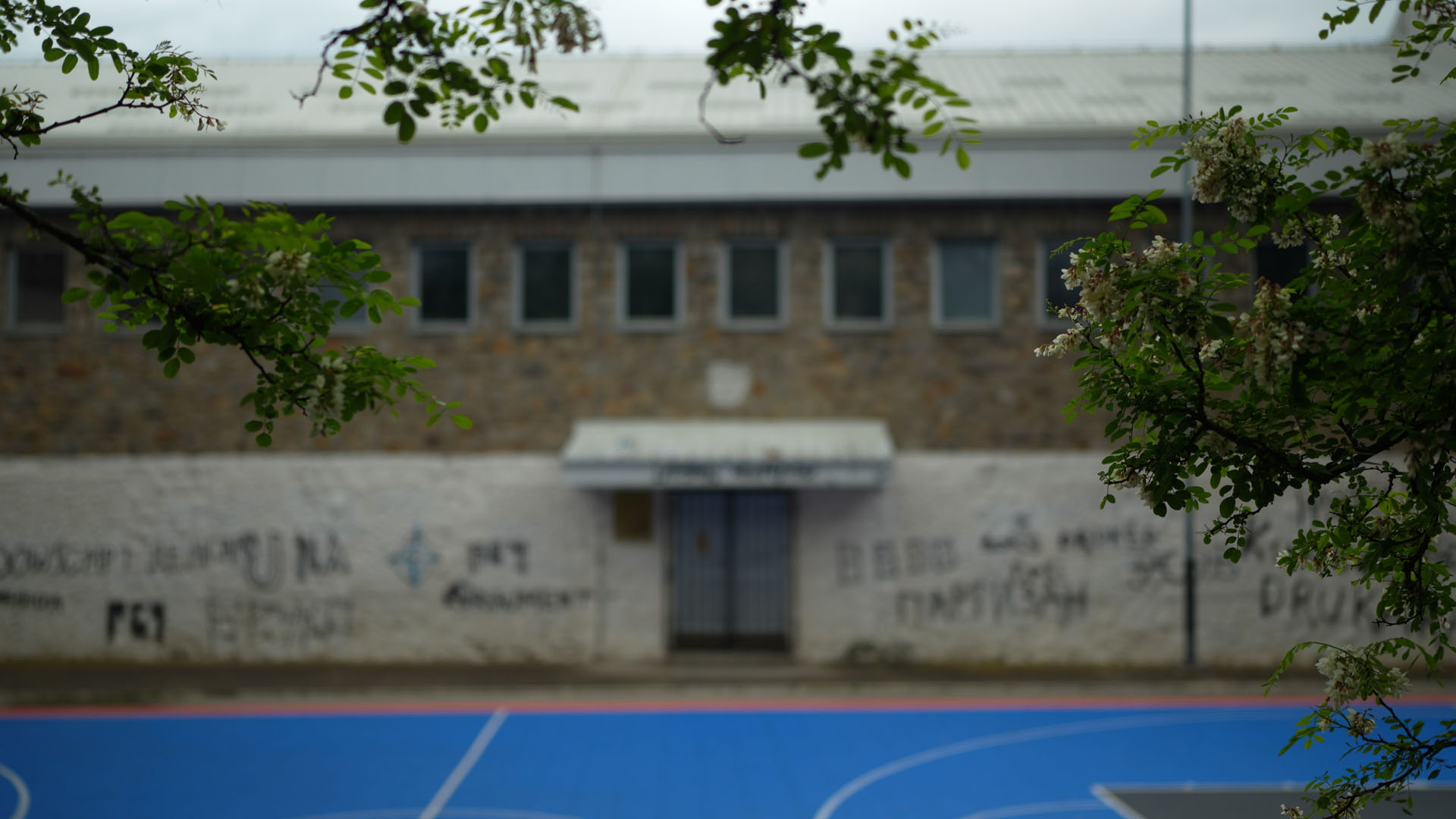
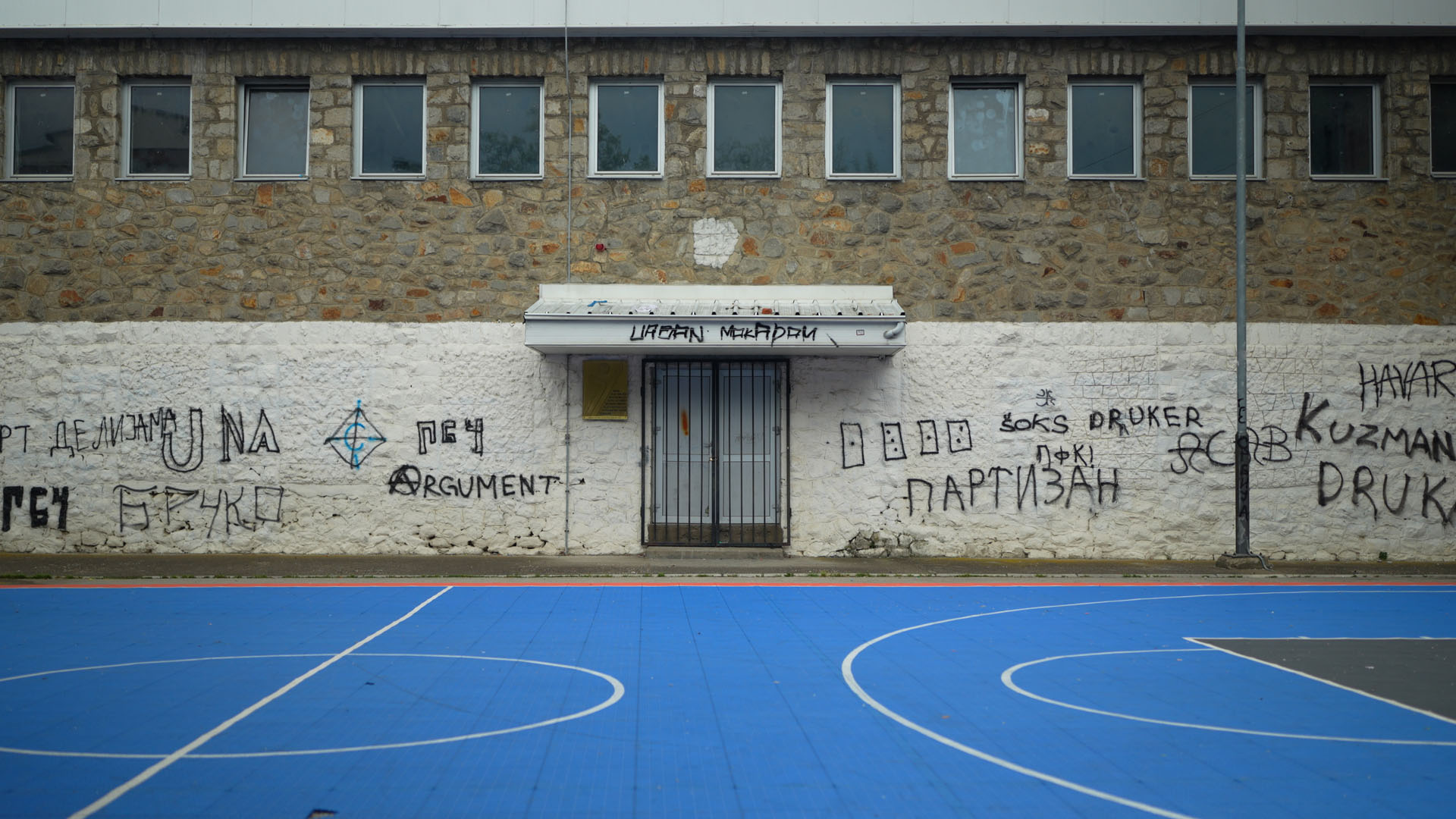
For Adila Suljević, every time she passes the “Partizan” hall in Brčko it is a painful reminder of the unmarked suffering of innocent civilians. Today there is no sign at this site of sexual violence and other crimes, as if nothing ever happened there.
Adila Suljević — “Partizan”, Brčko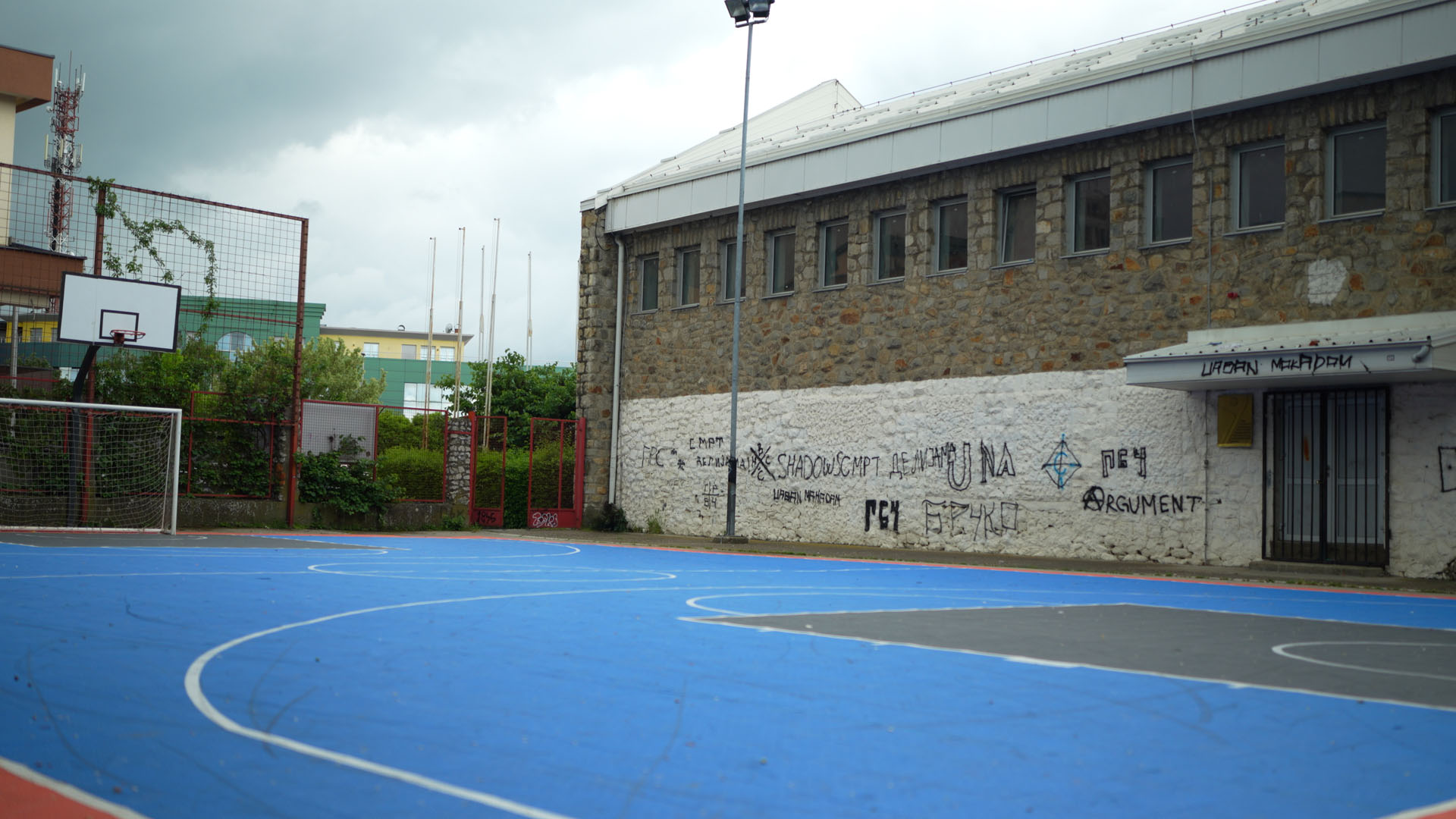
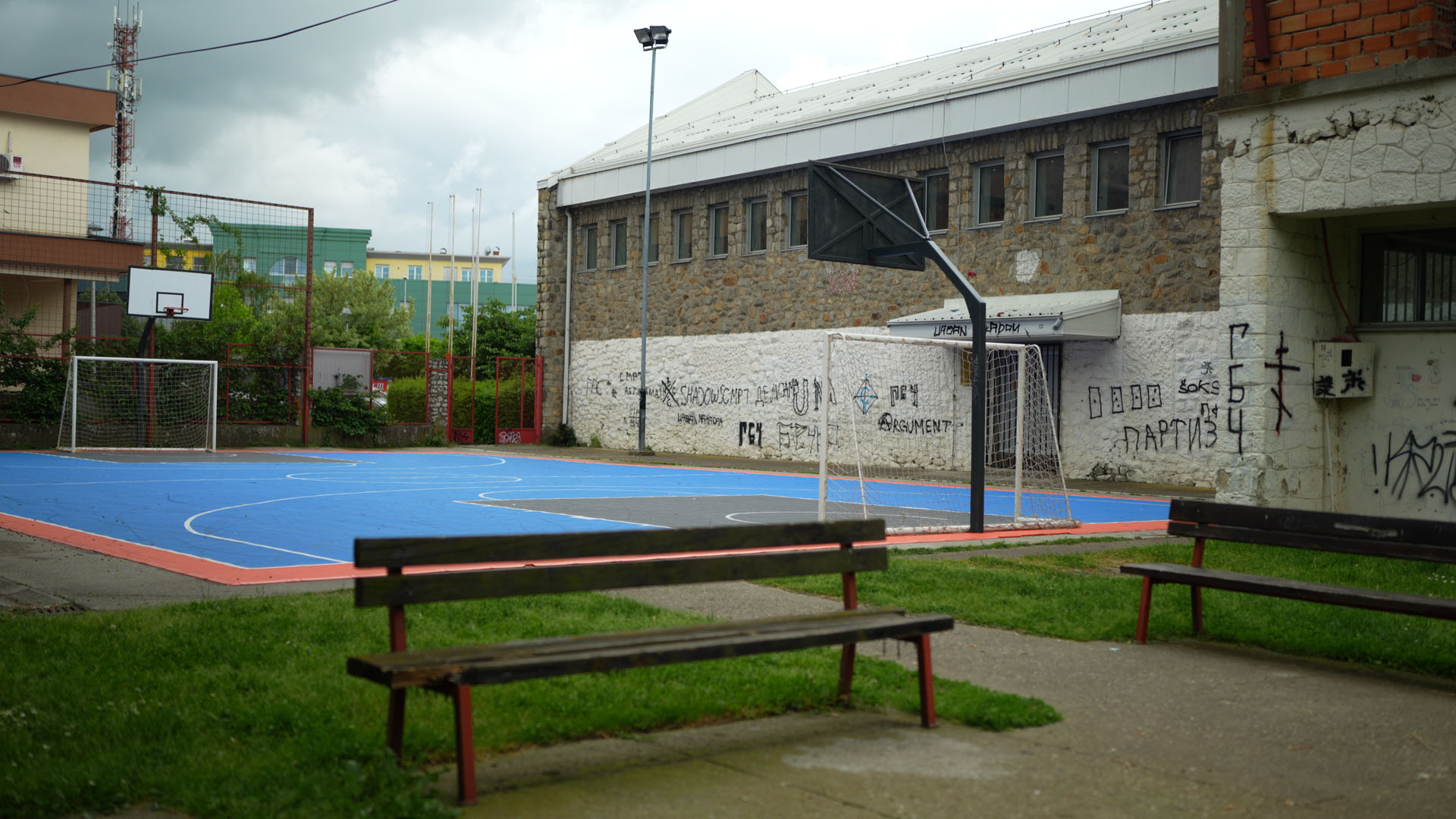
Related content

Partizan Sports Hall
Vuka Stevanovića Karadžića 12, 76100 Brčko