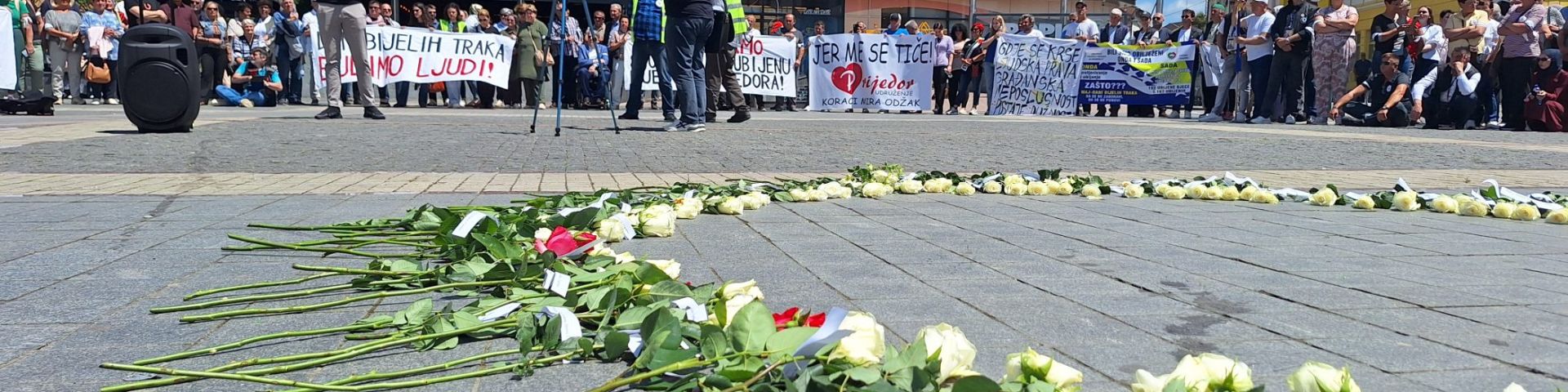
Monument to murdered children
Ahmeta Babića bb, 79000 Prijedor1992. – 1995.
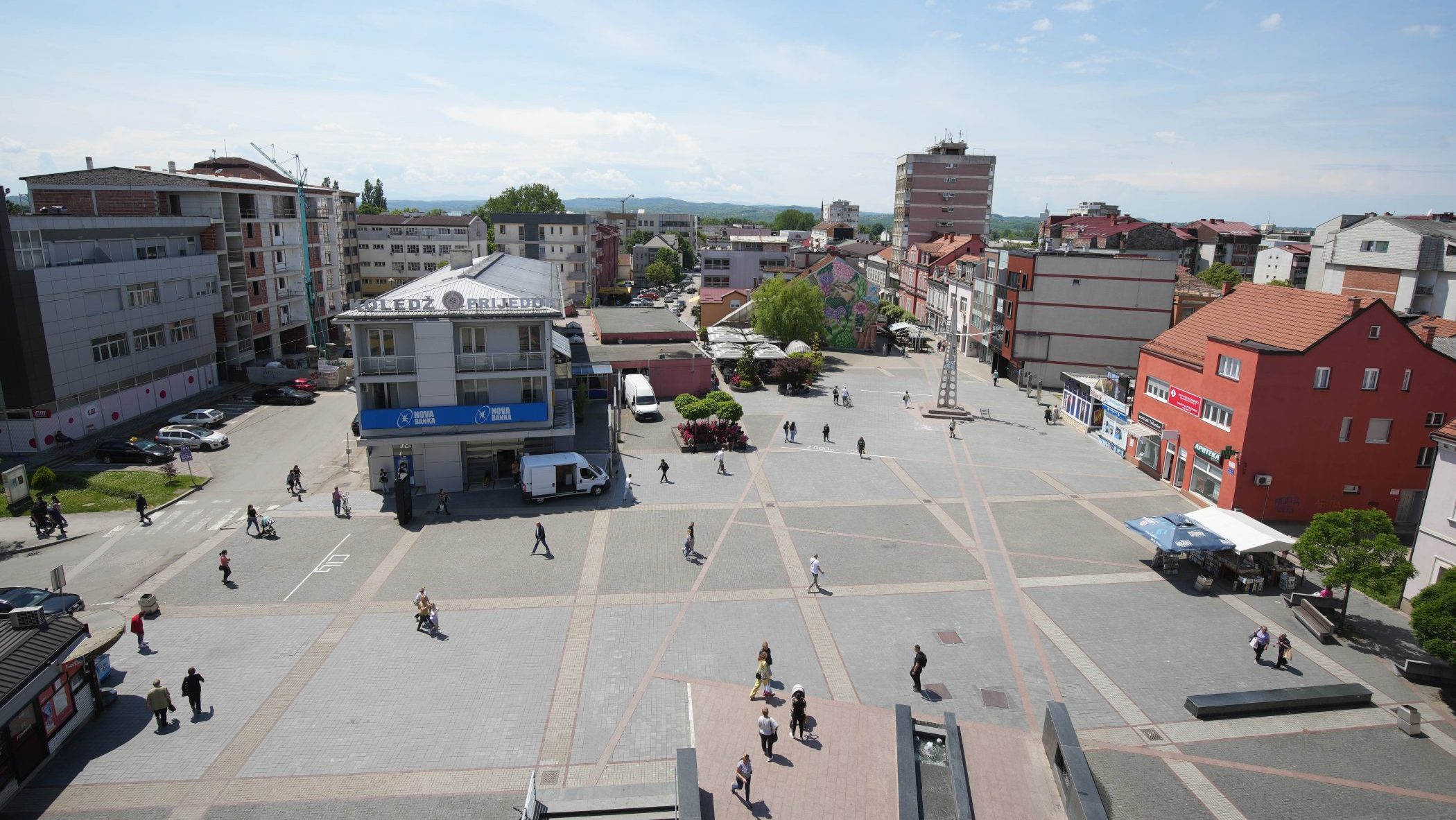
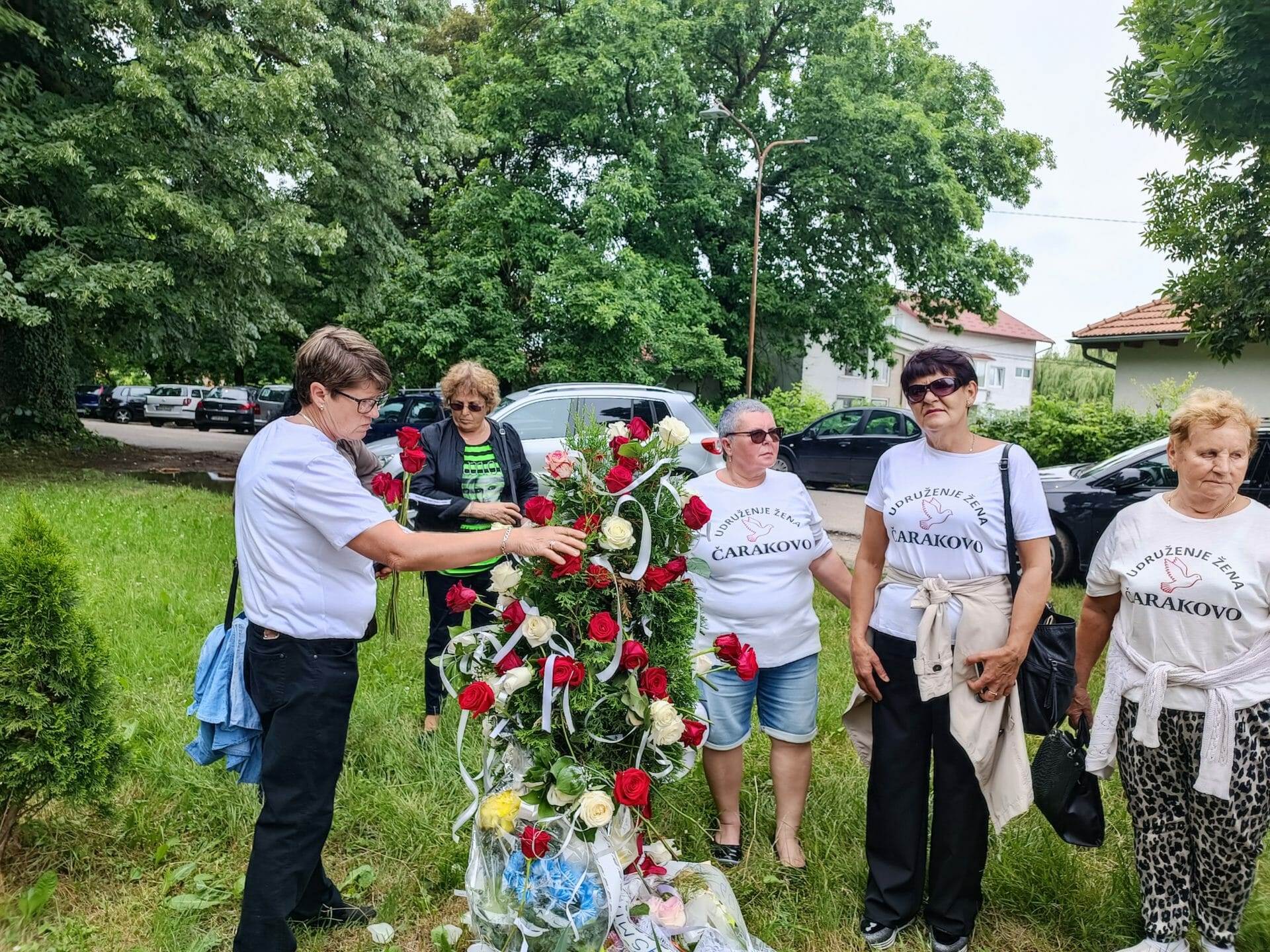
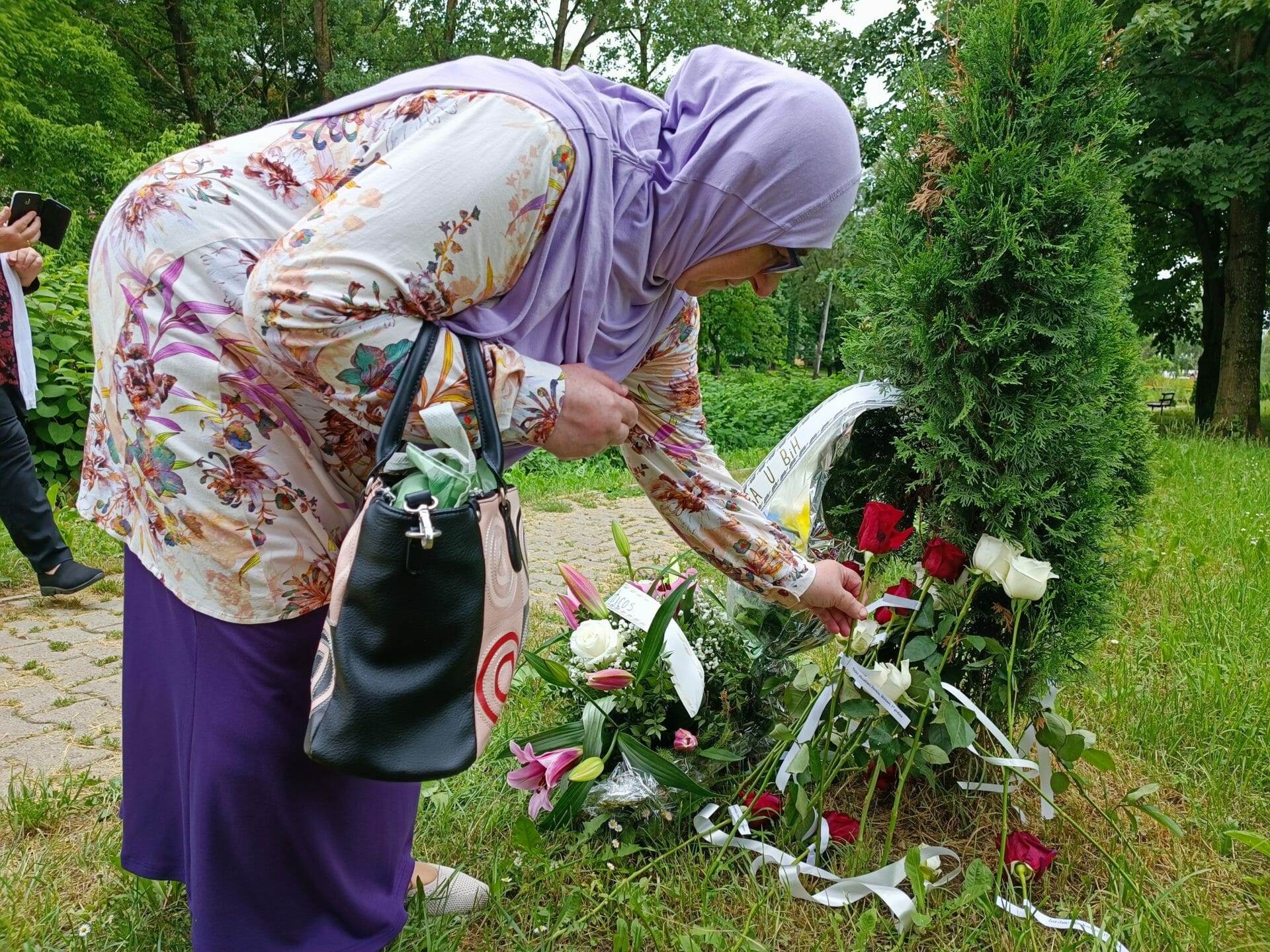
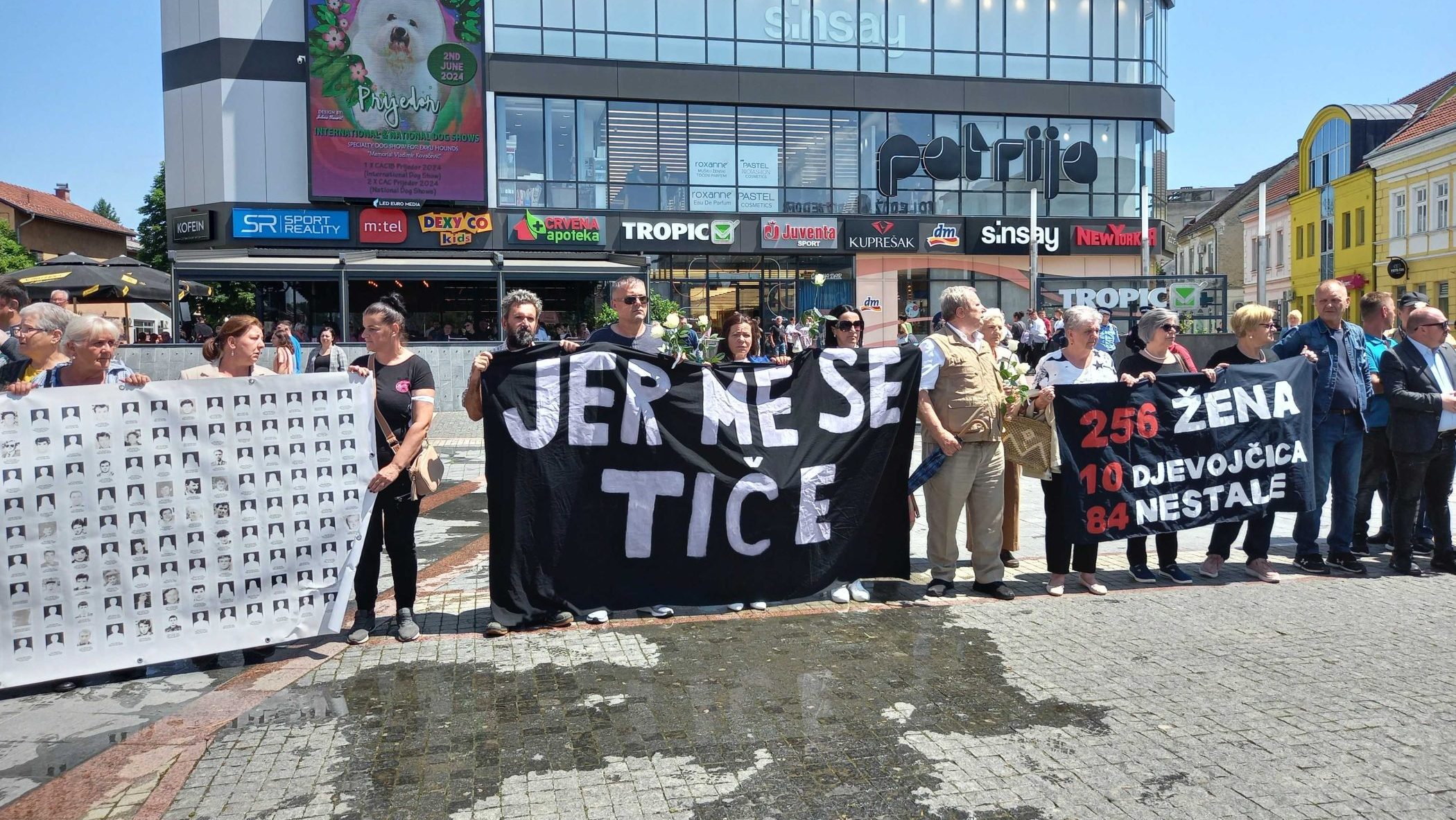
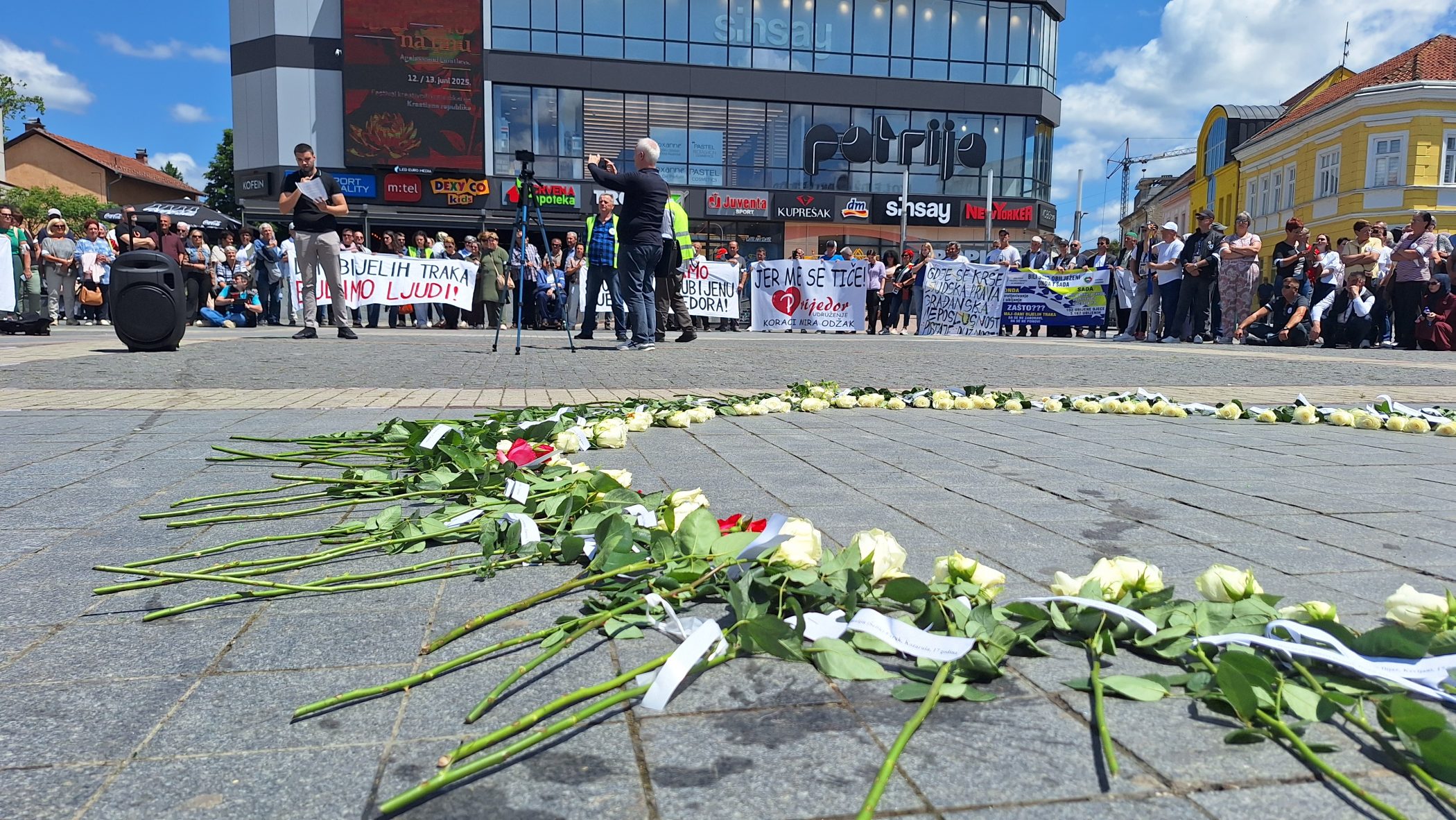
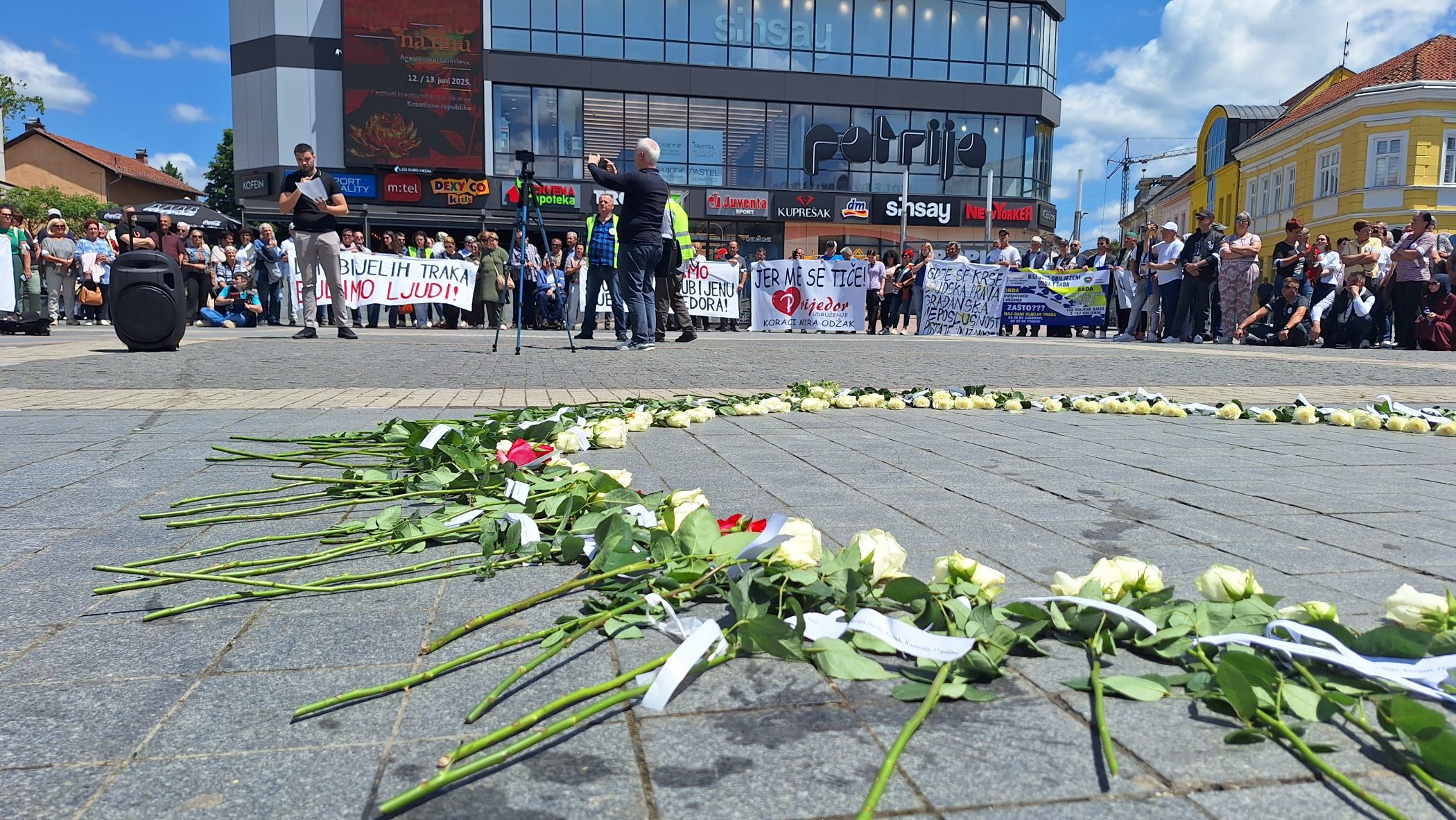
This monument is a decades-long wish of the parents of children murdered in Prijedor. The monument has not been built due to resistance from the local authorities, even though there has been significant domestic and international pressure and the parents are still seeking justice for the 102 murdered children.
Court facts
ICTY
The Hague verdicts list the military (the Yugoslav People's Army (JNA) and the Army of Republika Srpska (VRS)), the police, and paramilitary formations as perpetrators of crimes in Prijedor. The takeover of power by the Serb Democratic Party (SDS) in Prijedor took place on the night of April 29, 1992 and was carried out by JNA forces, including the Fifth Kozara Brigade, members of the Prijedor Public Security Station (SJB), and other Serb police functionaries working in secret. In the takeover, central authorities were replaced by personnel loyal to the SDS. (para. 74. Stakić, pp. 16-17.), (para. 1592. Karadžić, vol. II, p. 649.), (para. 137. Duško Tadić, pp. 51-52.)
In the days and months following the takeover of Prijedor, a large number of non-Serbs were dismissed from their jobs; only a small percentage of Bosniaks and Croats continued to work. (para. 307. Stakić, p. 91.)
Bosniaks were called upon to surrender their weapons and identify themselves by wearing a white armband and hanging white sheets in the windows of their homes as a sign of surrender. (para. 658. Stanišić and Župljanin, vol. I, p. 212.), (para. 128. Stakić, pp. 37 and 38.)
Around 70 residents of the village Briševo were killed during the attack and after Serb forces entered the village in the evening of July 25, 1992. Residents were killed in various locations, including cornfields, in a nearby forest, and in their own houses. The victims included women, children, and the disabled. (para. 412. Brđanin, p. 156.), (para. 269. Stakić, p. 82.), (para. 482. Krajišnik, p. 182.), (para. 663. Stanišić and Župljanin, vol. I, p. 214.), (para. 1735. Karadžić, vol. I, p. 693.), (para. 1112. Mladić, vol. II, p. 583.)
A camp set up at Trnopolje operated from at least May 26, 1992 until the end of September 1992, although some people remained there for longer. At one point, the camp held approximately 8,000 detainees, and by the end of August 1992, up to 4,000 people were being held. The detainees were civilians, Bosniaks, and Bosnian Croats, including women and children. (para. 1322. Mladić, vol. II, p. 700.), (paras. 1818, 1821. Karadžić, vol. II, pp. 729, 732.)
Following the Bosnian Serb attack on Kozarac in late May 1992, the inhabitants of the village, mainly women and children, with only a few military-age men, were brought to Trnopolje. (para. 620. Stanišić and Župljanin, vol. I, p. 200.)
Civilians in Hambarine, among whom were minors, were threatened and harassed in mid-August 1992 to admit to facts they were not aware of. They were then deported to the area under the control of the Army of the Republic of Bosnia and Herzegovina. (paras. 235-238. Mićo Jurišić, pp. 3-4, 66-67.)
Five members of a Croat family, including two children, were killed in the middle of June 1992 in the town of Tukovi. (paras. 119-124. Radaković and Pejić, pp. 39-41.)
Several Bosniak women and children were taken out of the house where they were hiding in the village of Zecovi and shot dead in front of the house's basement. (paras. 374-378. Dušan Milunić and others, pp. 7-8, 135-138.)
The murders of women and children were confirmed in another house in Zecovi, where two children were seriously wounded. (paras. 520-527. Dušan Milunić and others, pp. 183-185.)
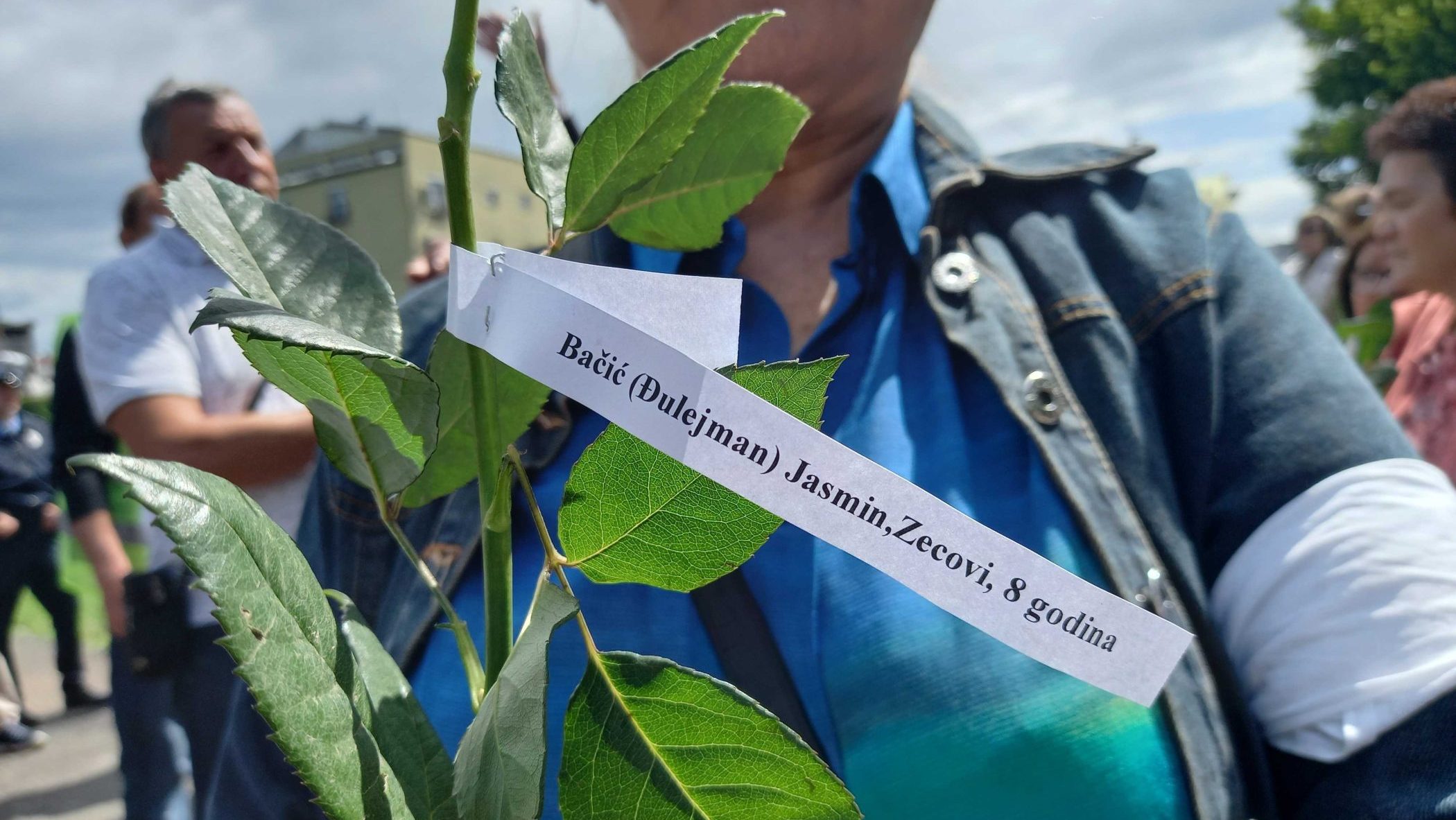
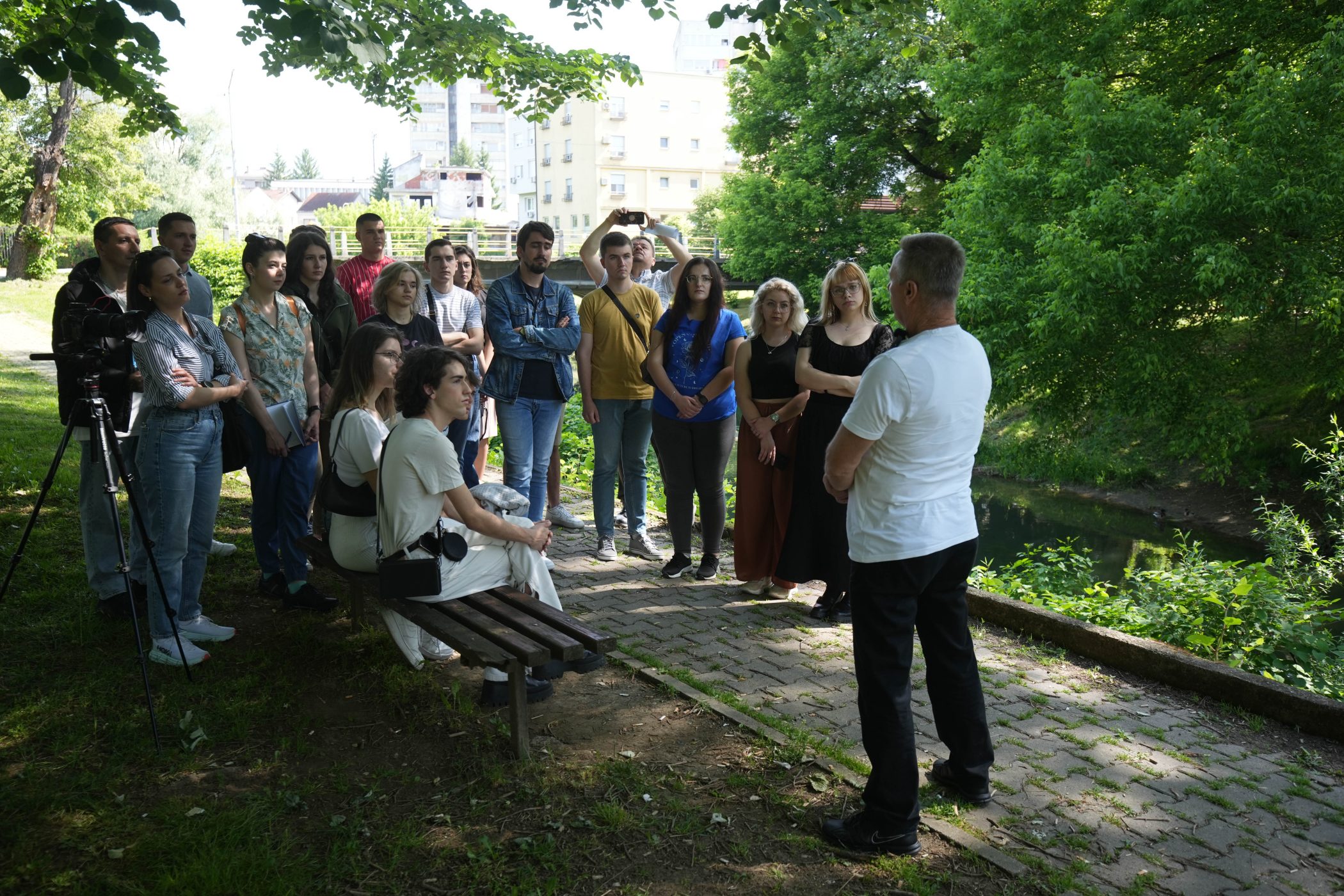
Fikret Bačić leads the decades-long struggle of parents to build a memorial to the 102 murdered children of Prijedor, including his daughter Nermina and son Nermin. Despite persistent obstruction by the authorities, he stresses that a memorial is not just stone, but a debt owed to innocent victims.
Fikret Bačić — Memorial to murdered children, Prijedor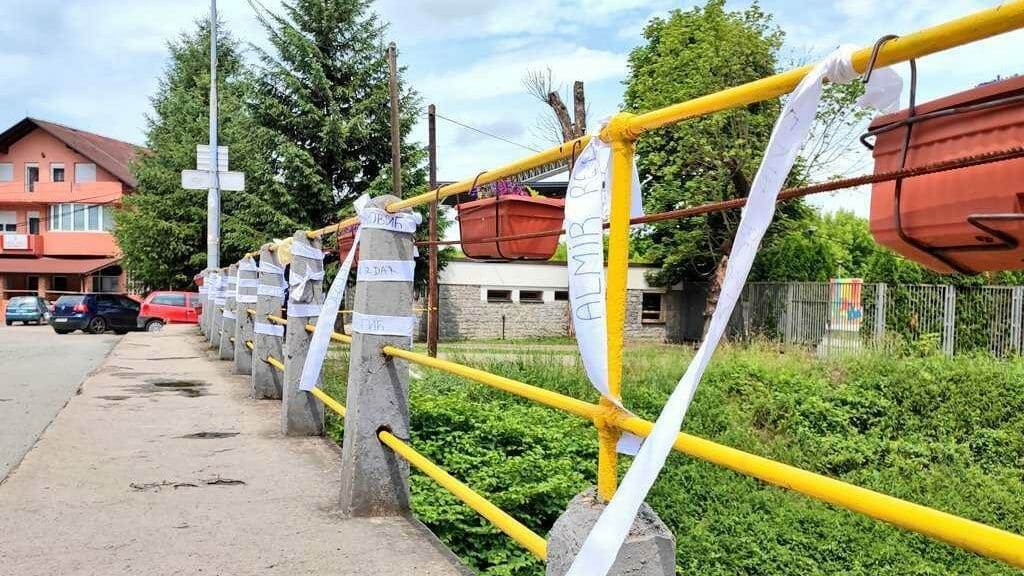
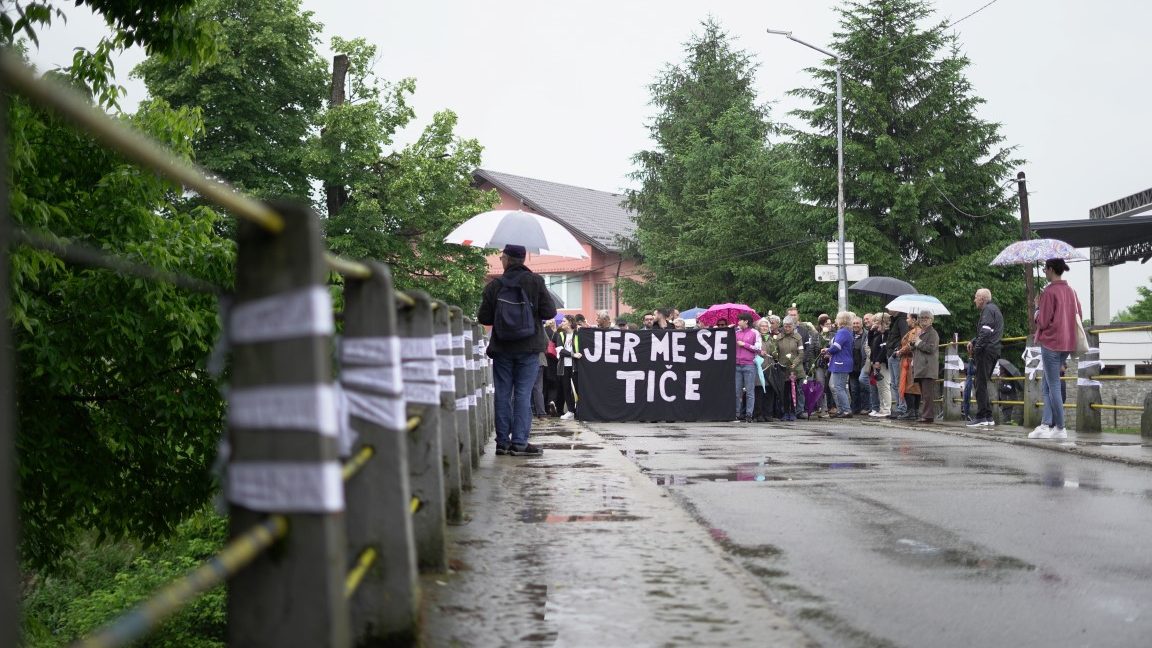
Related content

Monument to murdered children
Ahmeta Babića bb, 79000 Prijedor