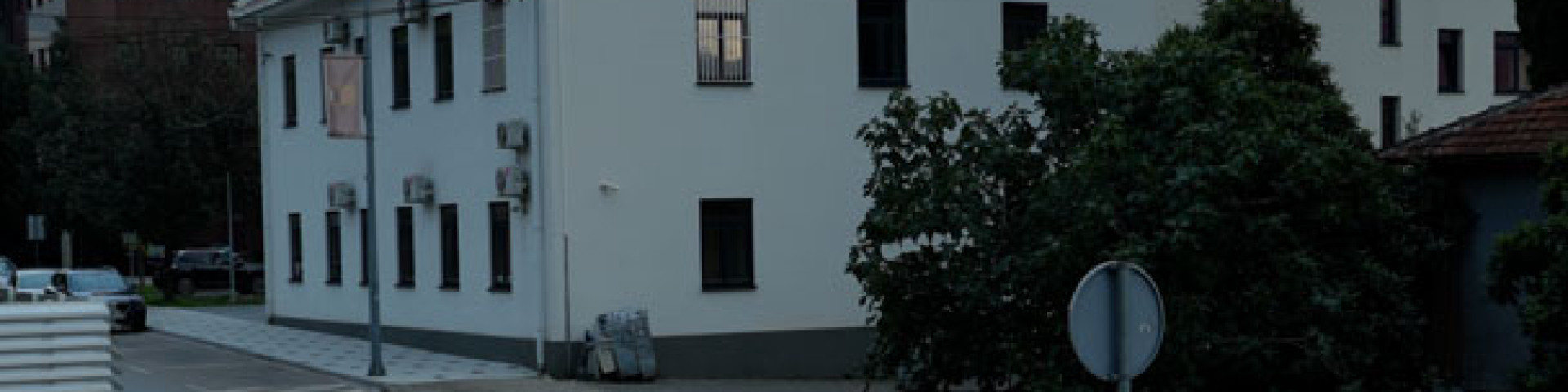
Military investigative prison
Kralja Zvonimira 1, 88320 Ljubuški1993. – 1994.
This prison was used for detaining Bosniaks from the Ljubuški Municipality during 1993. Detainees were severely beaten and abused, including with electric shocks, and were taken to perform forced labour.
Court facts
ICTY
After the counting and the disarmament of Bosniaks from the Ljubuški Municipality in May 1993, and after limiting the freedom of movement in the municipality for men aged 18 to 60, the Croatian Defence Council (HVO) decided to arrest all men in the municipality on August 14 and 15, 1993. (paras. 1780-1785., 1876. Prlić et al., volume II, pp. 480-482, 507.)
On August 14, 1993, Bosniak men in the municipal area were informed that they had to report to the prison in Ljubuški. On the same day, almost 300 detainees from this facility were moved to the Heliodrom detention centre. (para. 1783. Prlić et al., volume II, pp. 481-482.)
The prison in Ljubuški was located in the police station, which had two parts: the main building, where the interrogations of detainees were carried out, and the cell block. (para. 1788. Prlić et al., volume II, p. 483.)
The first Bosniak prisoners were brought to the prison in Ljubuški in the beginning of 1993, first in small numbers, and then in increasing numbers. (para. 1800. Prlić et al., volume II, p. 486.)
In the days after May 9, 1993, Bosniaks, mostly members of the Army of the Republic of Bosnia and Herzegovina (ARBiH) who arrived from Mostar, were detained in the Ljubuški prison. Some were held in the Vranica building. (para. 1809. Prlić and others, volume II, p. 488.)
At the end of May 1993, more detainees arrived at the Ljubuški prison. Their number exceeded the reception capacity of the facility, which could accommodate about 100 detainees. (para. 1810. Prlić et al., volume II, p. 489.)
Detainees were transferred from various detention centres and places to the Ljubuški prison. (para. 417. Naletilić and Martinović, p. 162), (para. 1805. Prlić et al., volume II, p. 487.)
In November 1993, the number of detainees in Ljubuški prison varied from 29 to 147 detainees. (para. 1817. Prlić et al., volume II, p. 490.)
Prisoners in this facility were severely beaten and abused with electric shocks, among other things. (paras. 418-427. Naletilić and Martinović, pp. 162-165), (para. 1846. Prlić et al., volume II, pp. 499-500.)
Detainees were taken from the prison to be used as labour in construction and cleaning work. (para. 658. Naletilić and Martinović, p. 248., para. 1841. Prlić et al., vol. II, p. 497.)
In addition, they were taken to work on the front line, including the front in Gornji Vakuf. Some of them were wounded on this occasion. (paras. 1842-1844. Prlić et al., vol. II, pp. 498-499.)
Beatings of prisoners occurred while they were performing their work. (para. 1849. Prlić et al., vol. II, p. 501.)
The prison was overcrowded, sometimes the number of detainees was three times higher than the prison's established capacity. (para. 1877. Prlić et al., volume II, pp. 507-508.)
From May 1993 to March 1994, prisoners from the prison were regularly transferred to the Heliodrom and to the prison in Dretelj. (para. 1877. Prlić et al., volume II, pp. 507-508.)
The last prisoners from the prison in Ljubuški were moved to the Heliodrom on March 21, 1994 and released on March 29, 1994, after the exchange of prisoners between the HVO and the ARBiH. (para. 1818. Prlić et al., volume II, p. 491.)
Court of Bosnia and Herzegovina
Civilians who had previously been detained in the Heliodrom, Dretelj, Gabela, and Silos camps in Čapljina were held in inhumane and dangerous conditions from mid-September 1993 to mid-November in the Military Investigation Prison (VIZ) in Ljubuški. (paras. 53., 74. Ivan Kraljević et al. second-instance verdict, pp. 4-5, 39, 44.)
From November 1993 to February 1994, detainees in the VIZ were repeatedly physically abused, causing some of them to lose consciousness. Others were brought to their cells by other prisoners because they could not stand on their feet due to their injuries. (paras. 79., 84., 90., 103., 108. second instance verdict Ivan Kraljević et al., pp. 5-6, 45, 47, 49, 52, 54.)
Prisoners were exposed to continuous and numerous abuses by guards in the detention centre as well as from others who weren’t guards. (para. 160-161. second-instance verdict Ivan Kraljević et al., pp. 66-67.)
It was undoubtedly established that it was not a facility where prisoners of war were housed exclusively or predominantly. (para. 36. second-instance verdict Ivan Kraljević and others, pp. 34-35.)
One of the consequences of the conflict between the ARBiH and the HVO was the deportation of the civilian Bosniak population to the prisons Heliodrom, Dretelj, Gabela, and ultimately to the Ljubuški prison. The evidence confirms that detainees from the VIZ were transferred to the Helidrome in the area of Mostar. (para. 46, second-instance verdict Ivan Kraljević and others, p. 37.)
The hygienic conditions in the detention centre improved after mid-November 1993, especially after the visit of representatives of the International Committee of the Red Cross. (paras. 148., 153-154. second-instance judgment Ivan Kraljević and others, pp. 64, 65.)
The detainees were released from prison or exchanged during March 1994, when the conflict between the ARBiH and the HVO ended. (para. 47, second-instance verdict Ivan Kraljević and others, p. 38.)
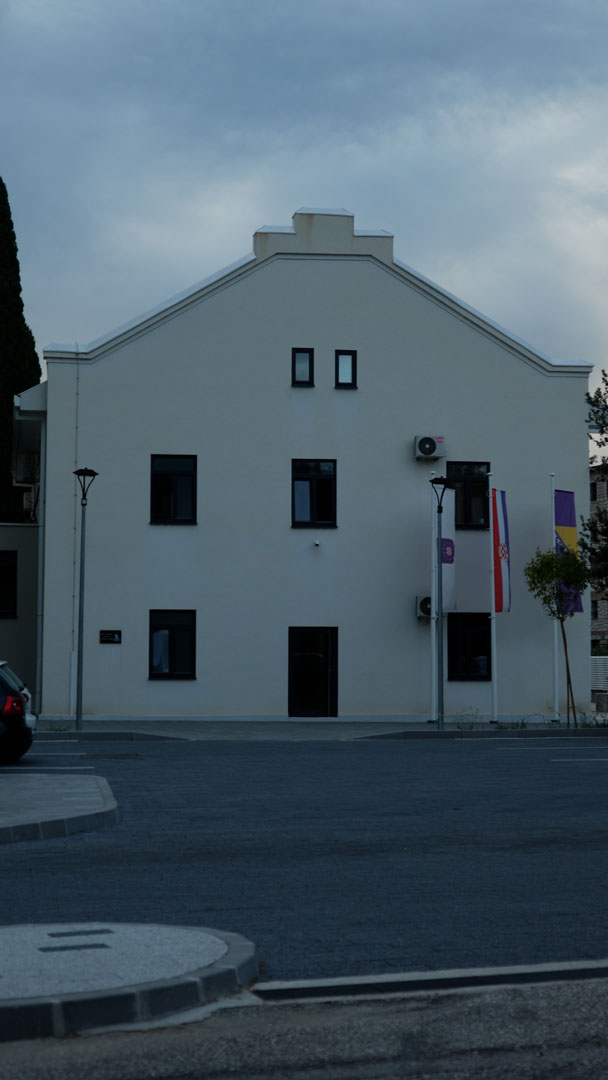
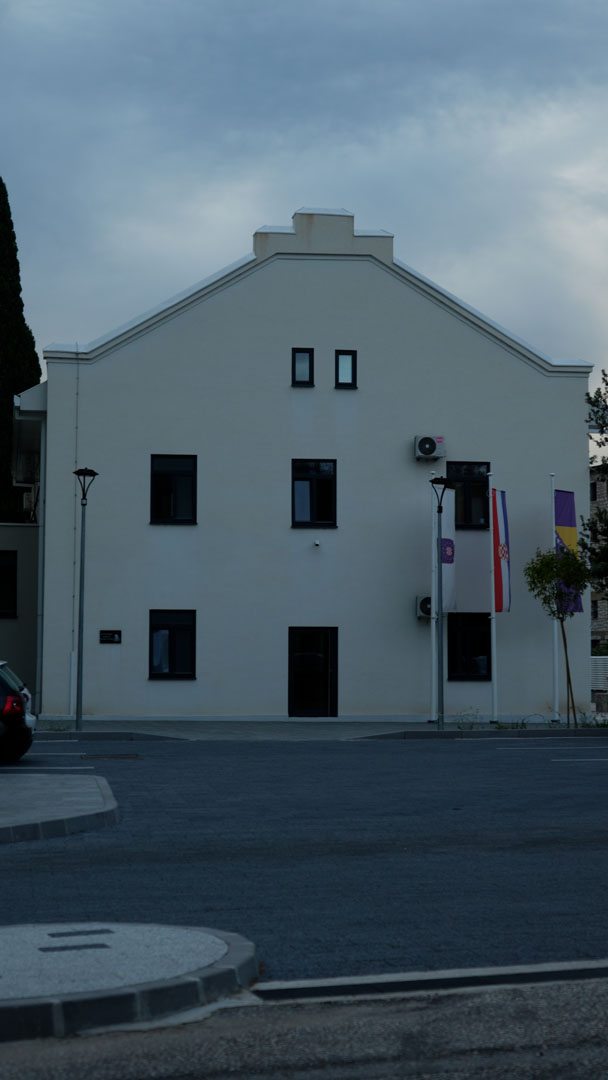
At the site where Ibro Kukić was once detained in Ljubuški, there is now a police building with no mention of the detainees and their suffering. Ibro considers the removal of traces of the camp an attempt to erase history, and believes marking the site is essential for a just future.
Ibro Kukić — Military Investigation Prison, Ljubuški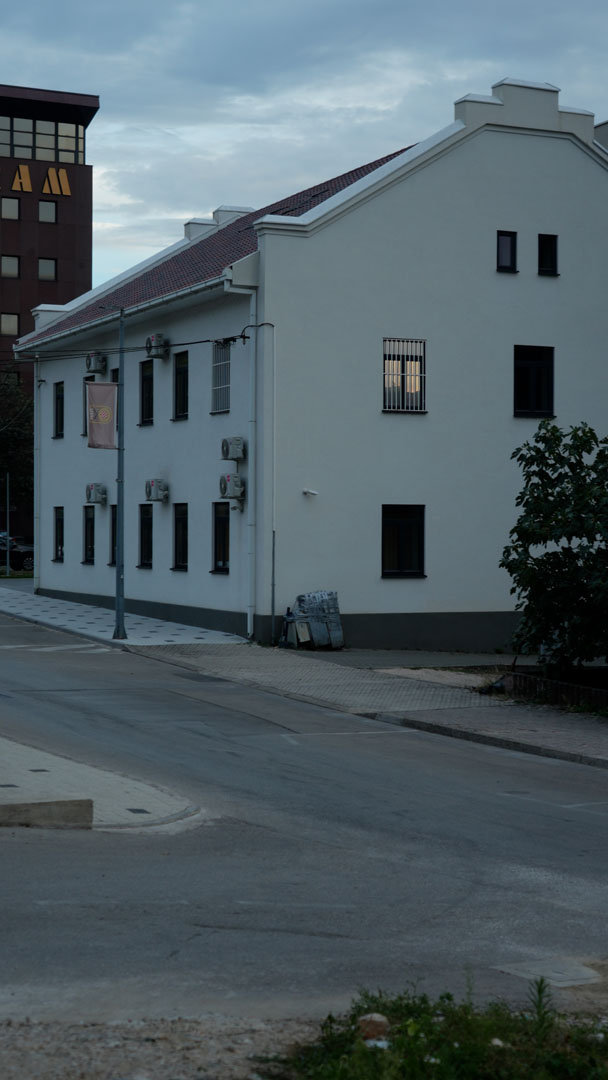
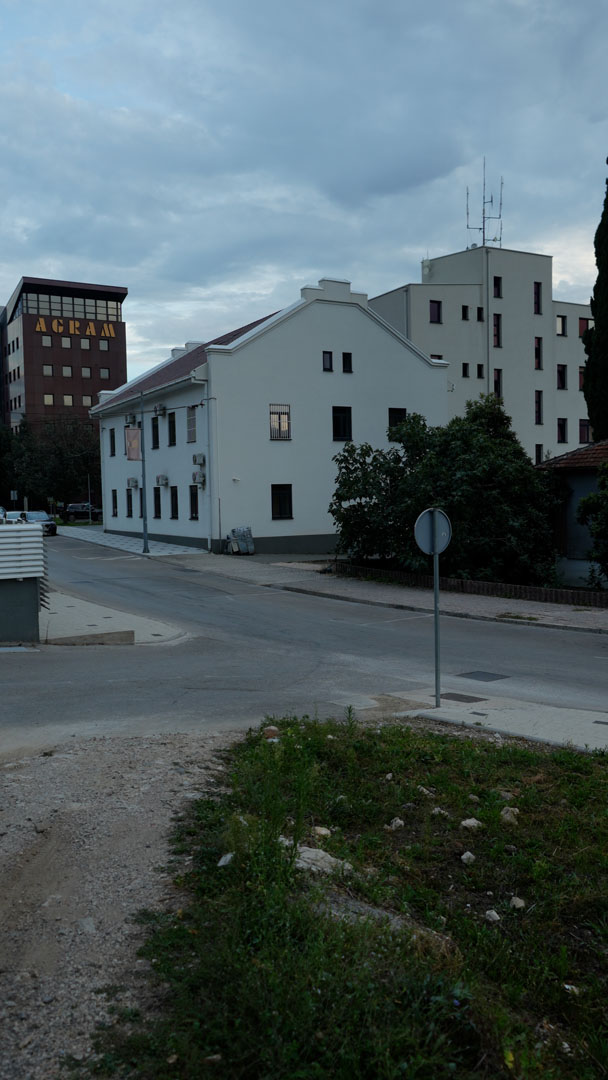
Related content

Military investigative prison
Kralja Zvonimira 1, 88320 Ljubuški