Dretelj
Dretelj bb, 88300 Čapljina1993. – 1994.
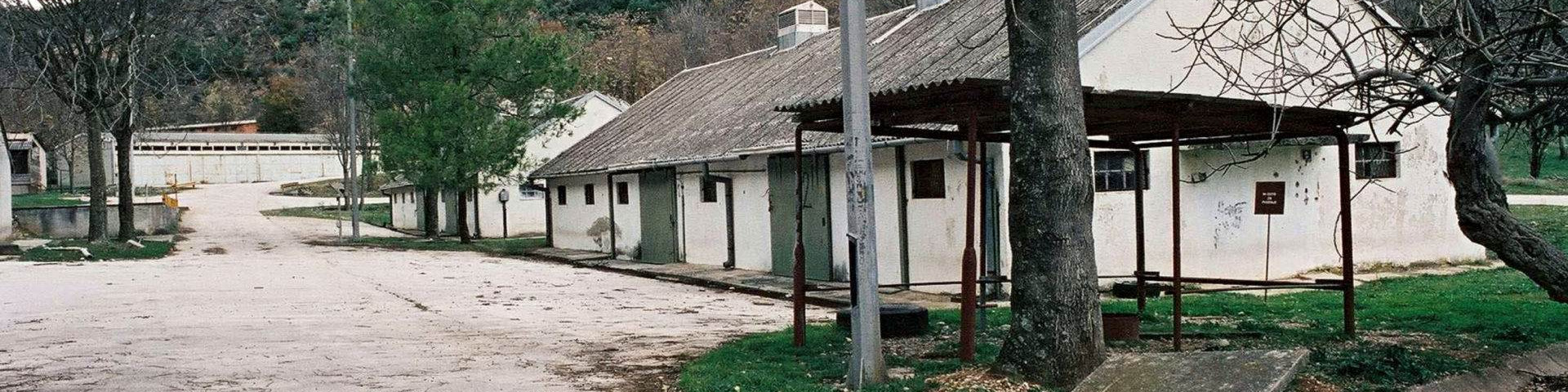
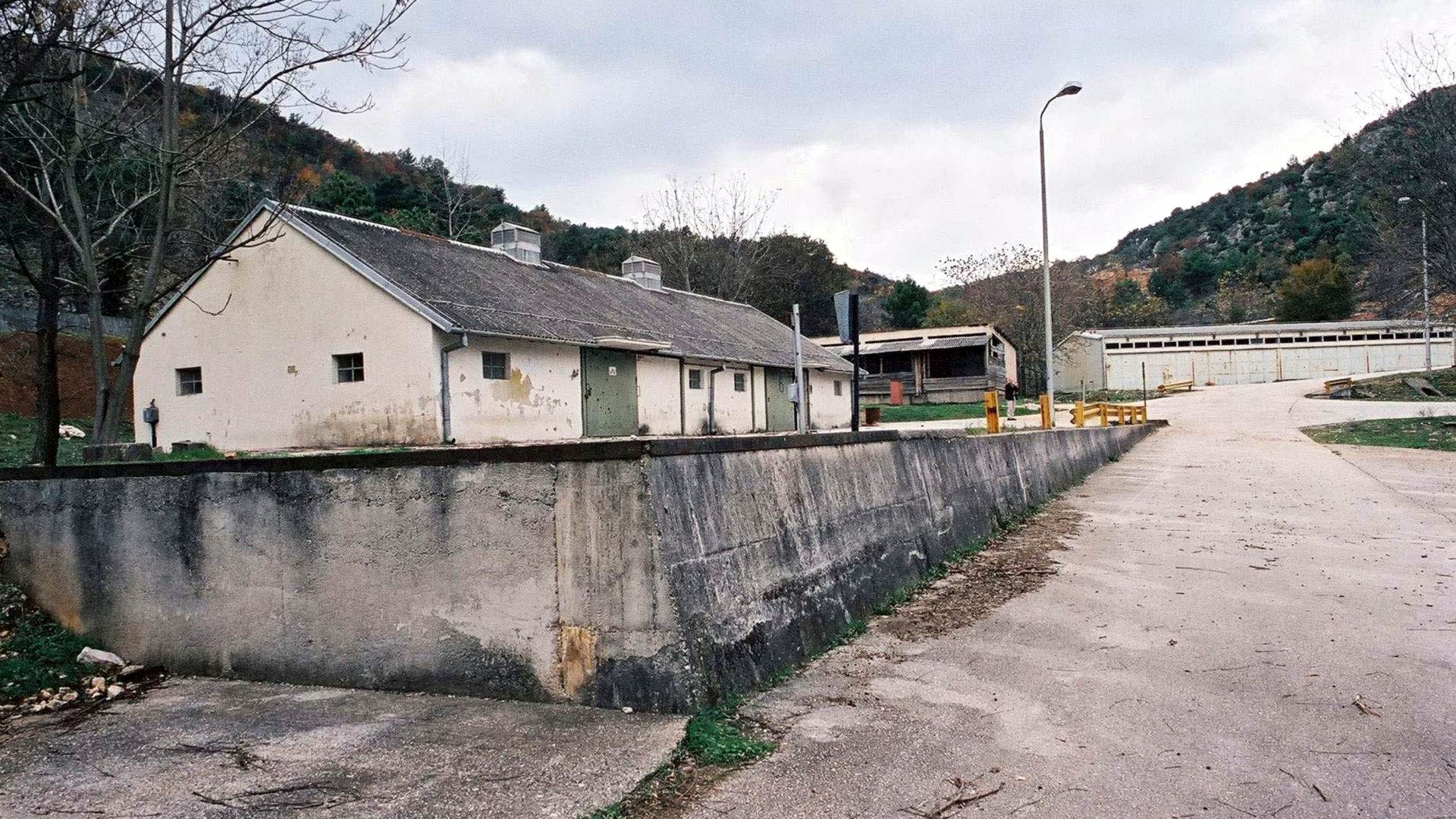
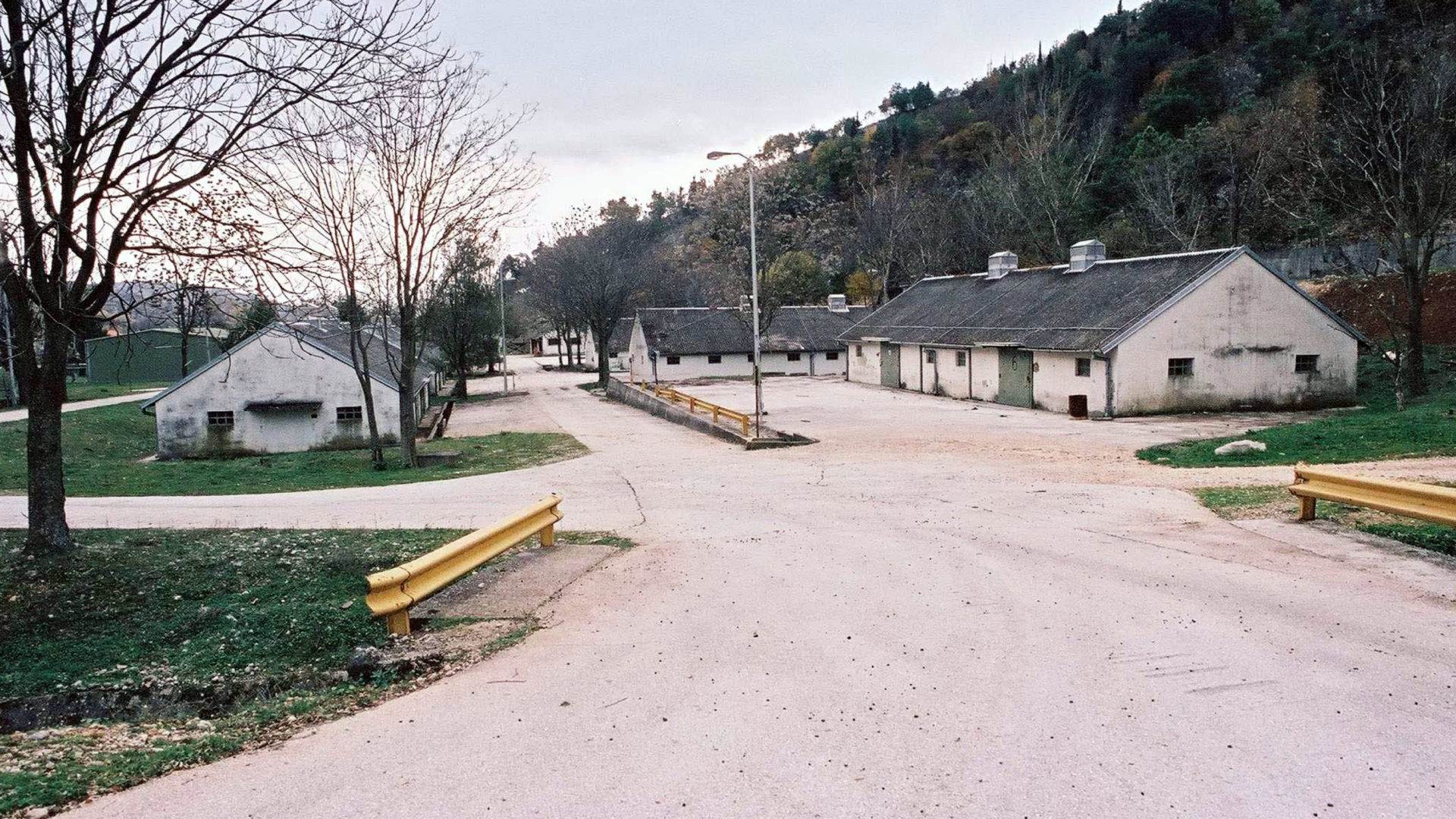
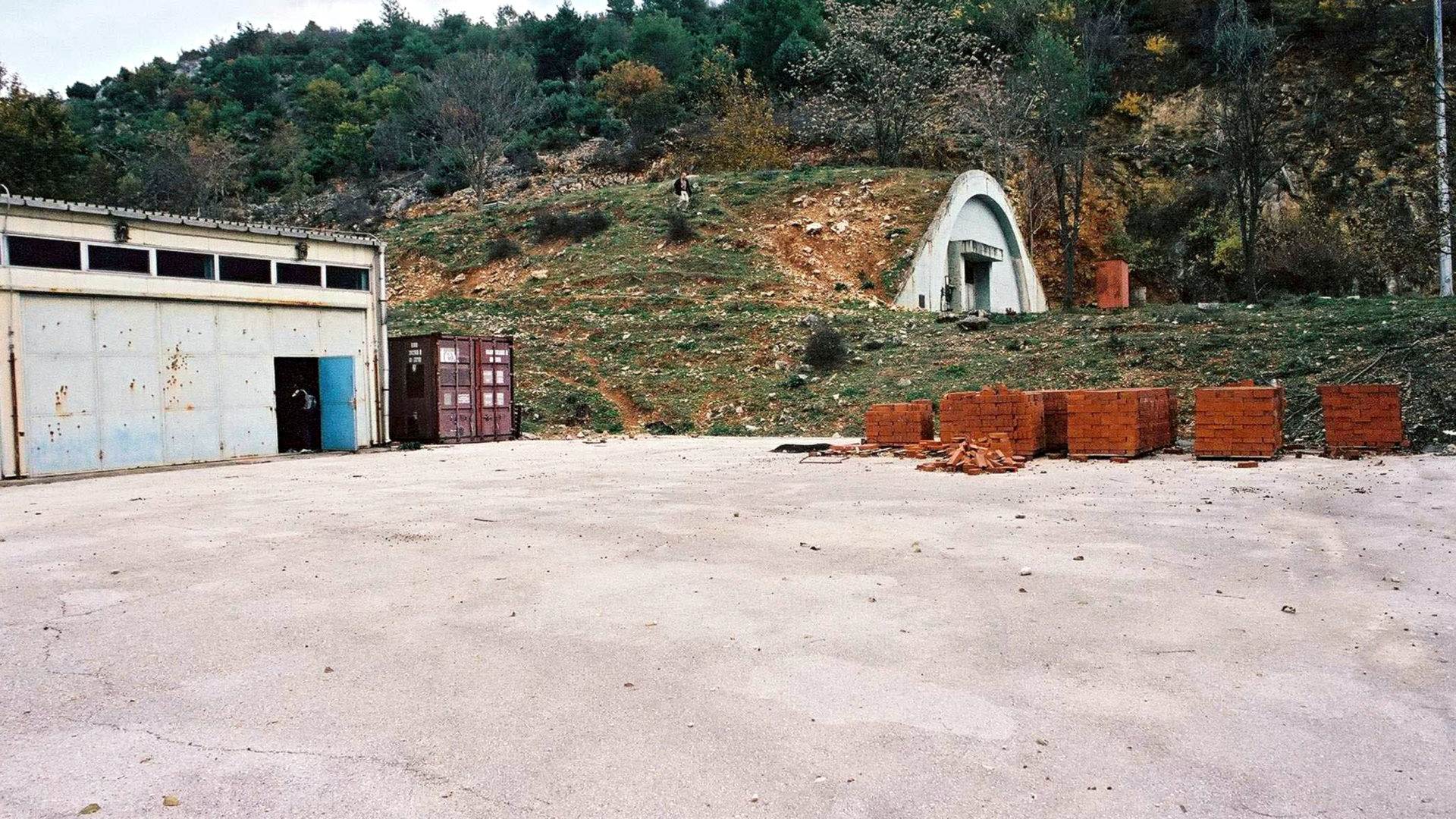
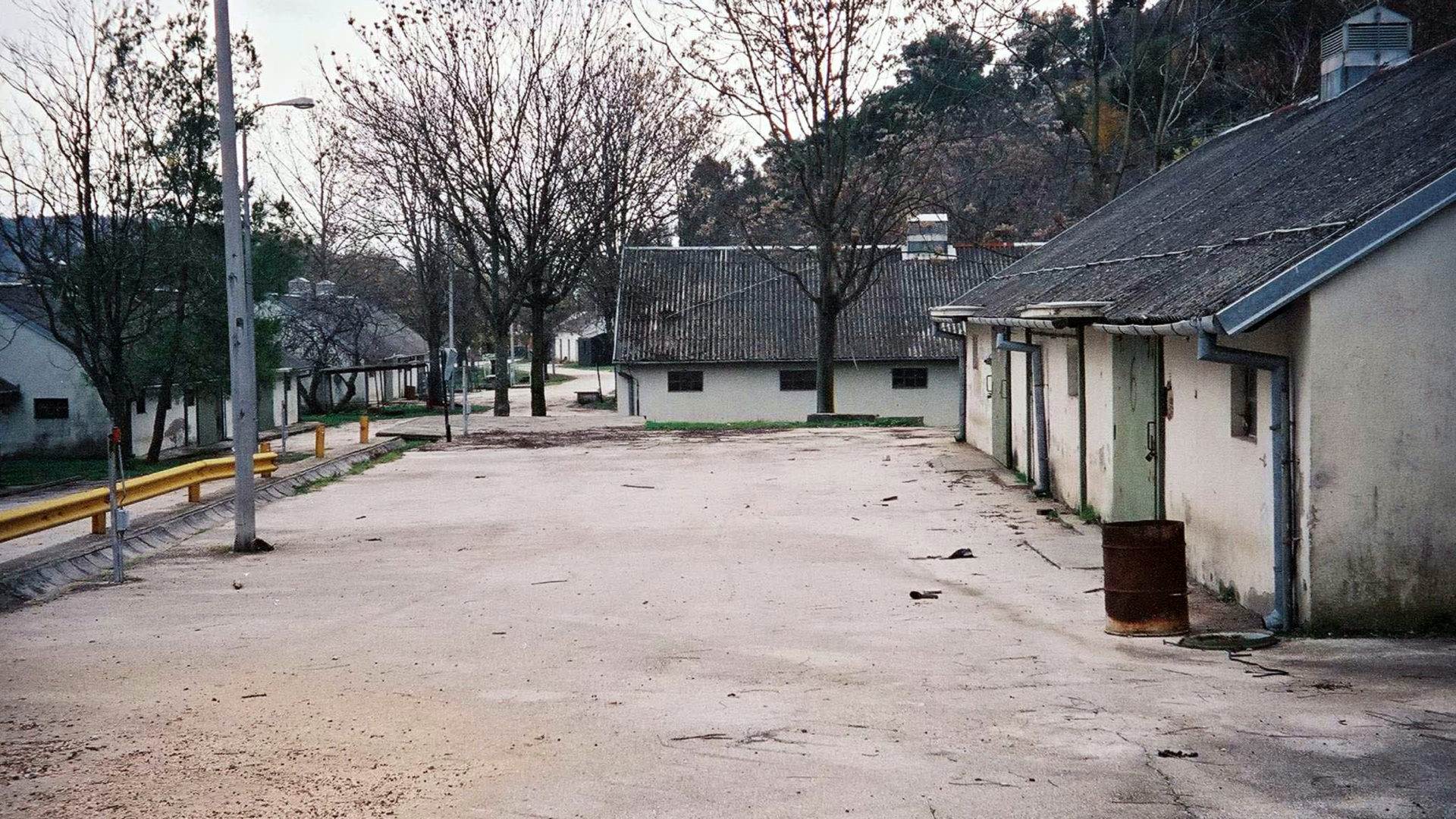
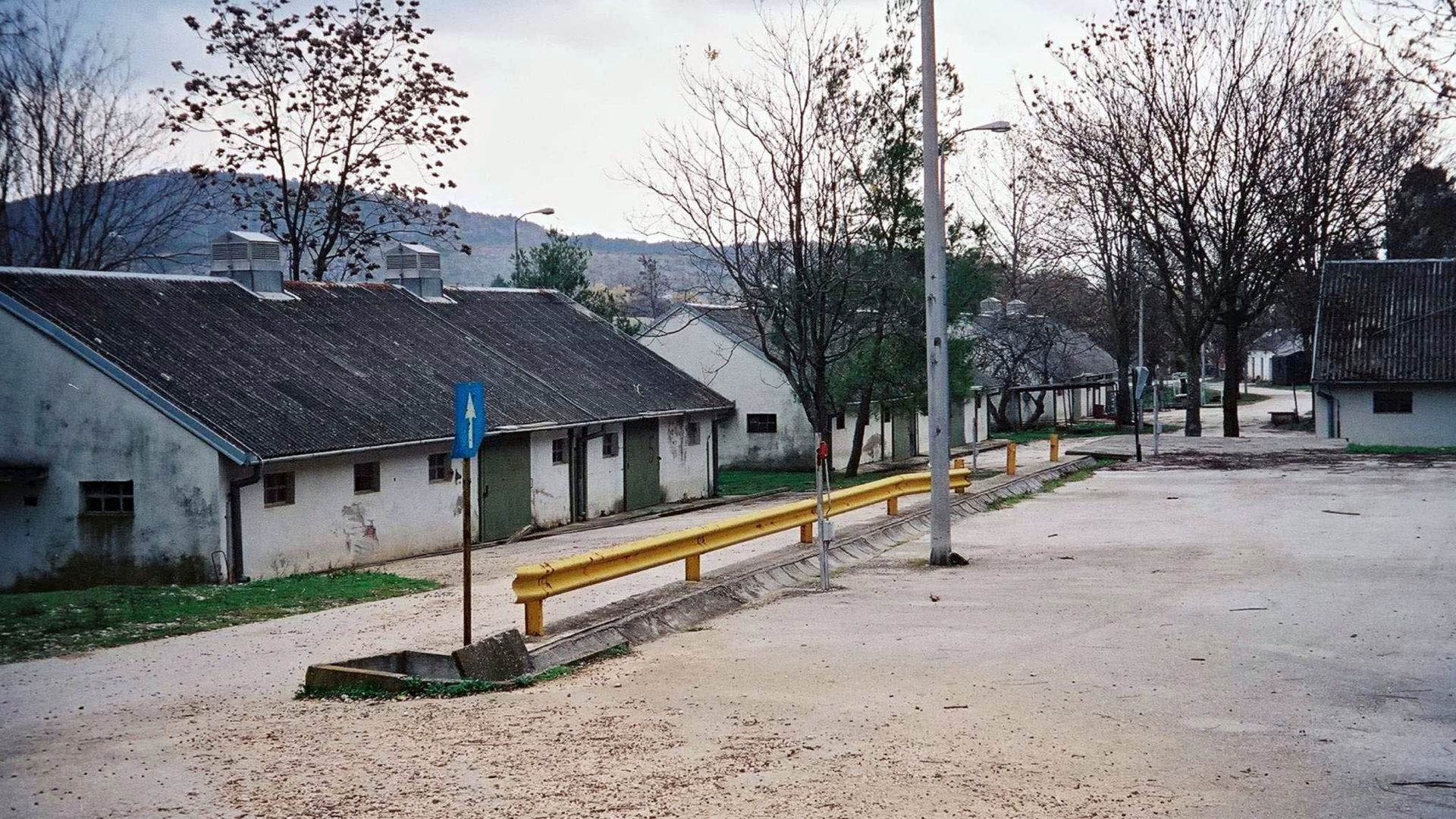
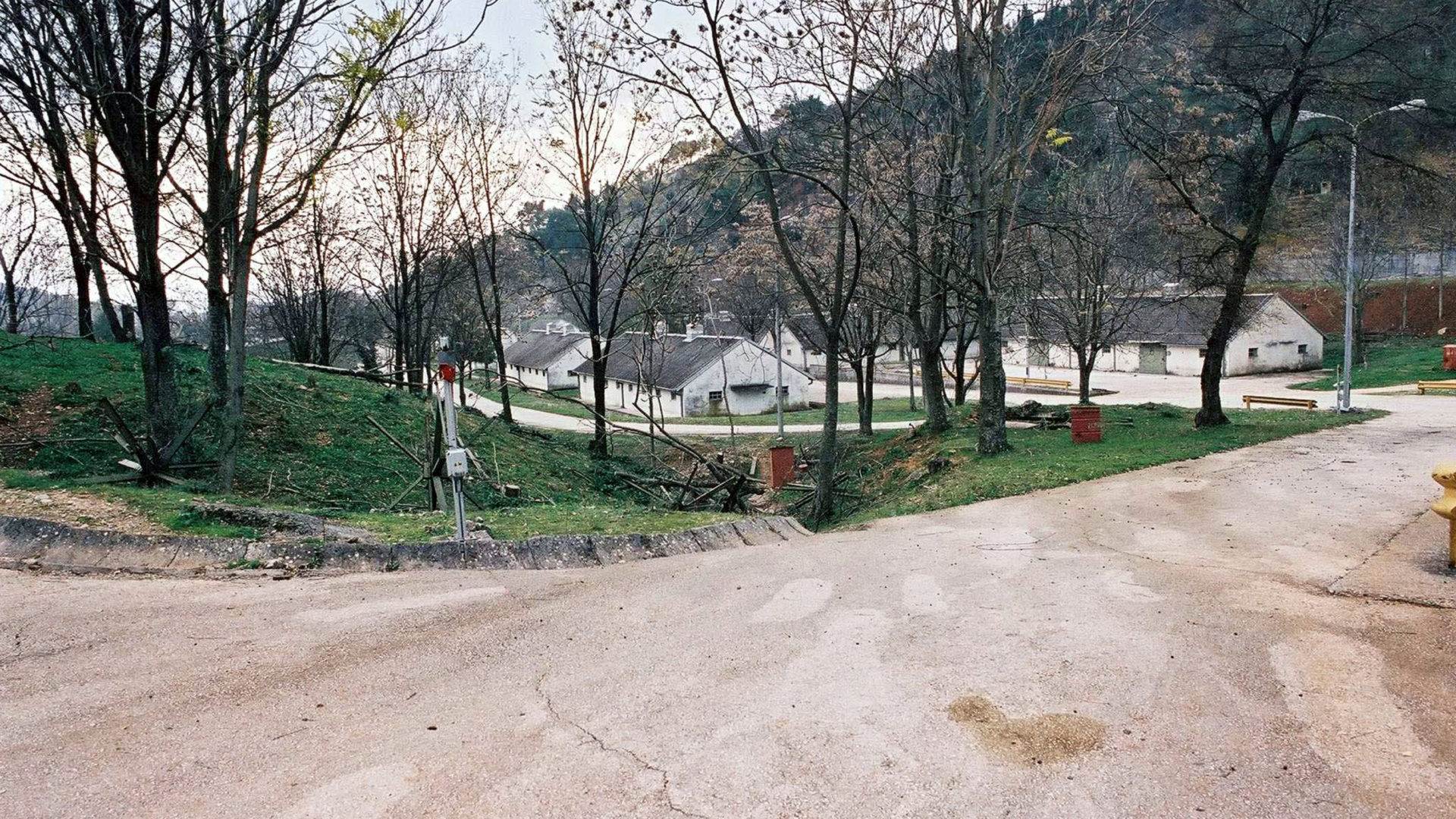
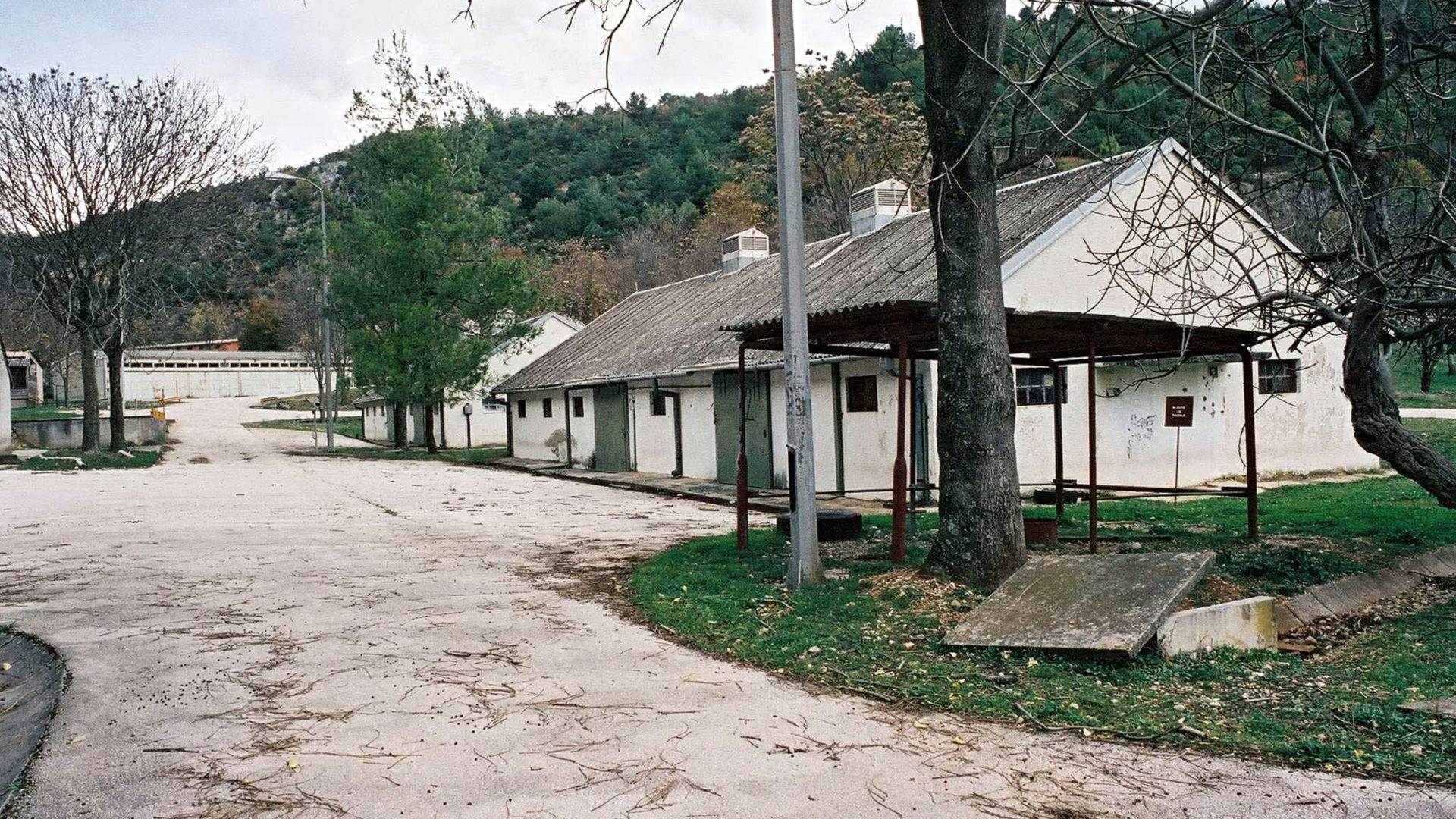
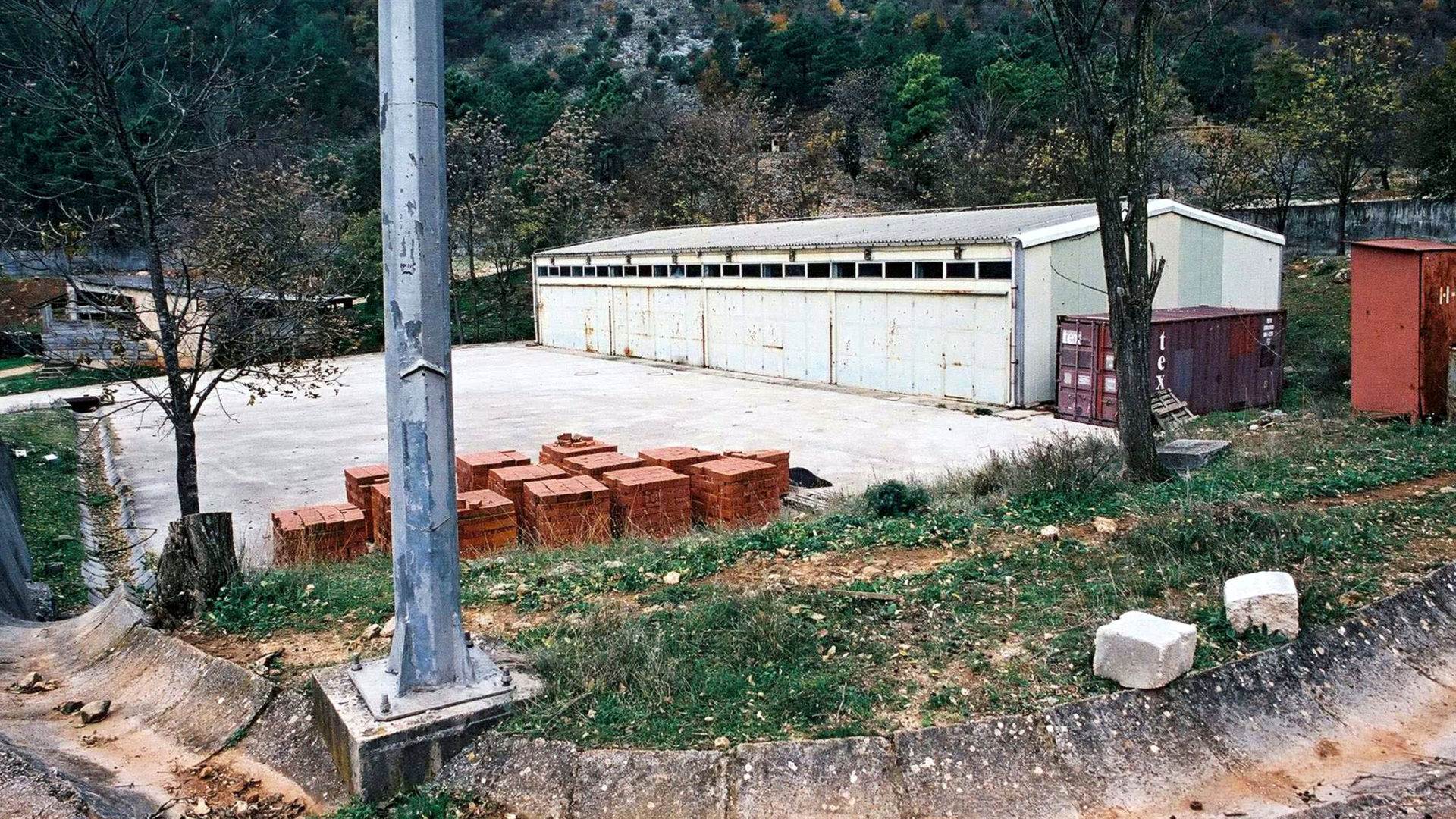
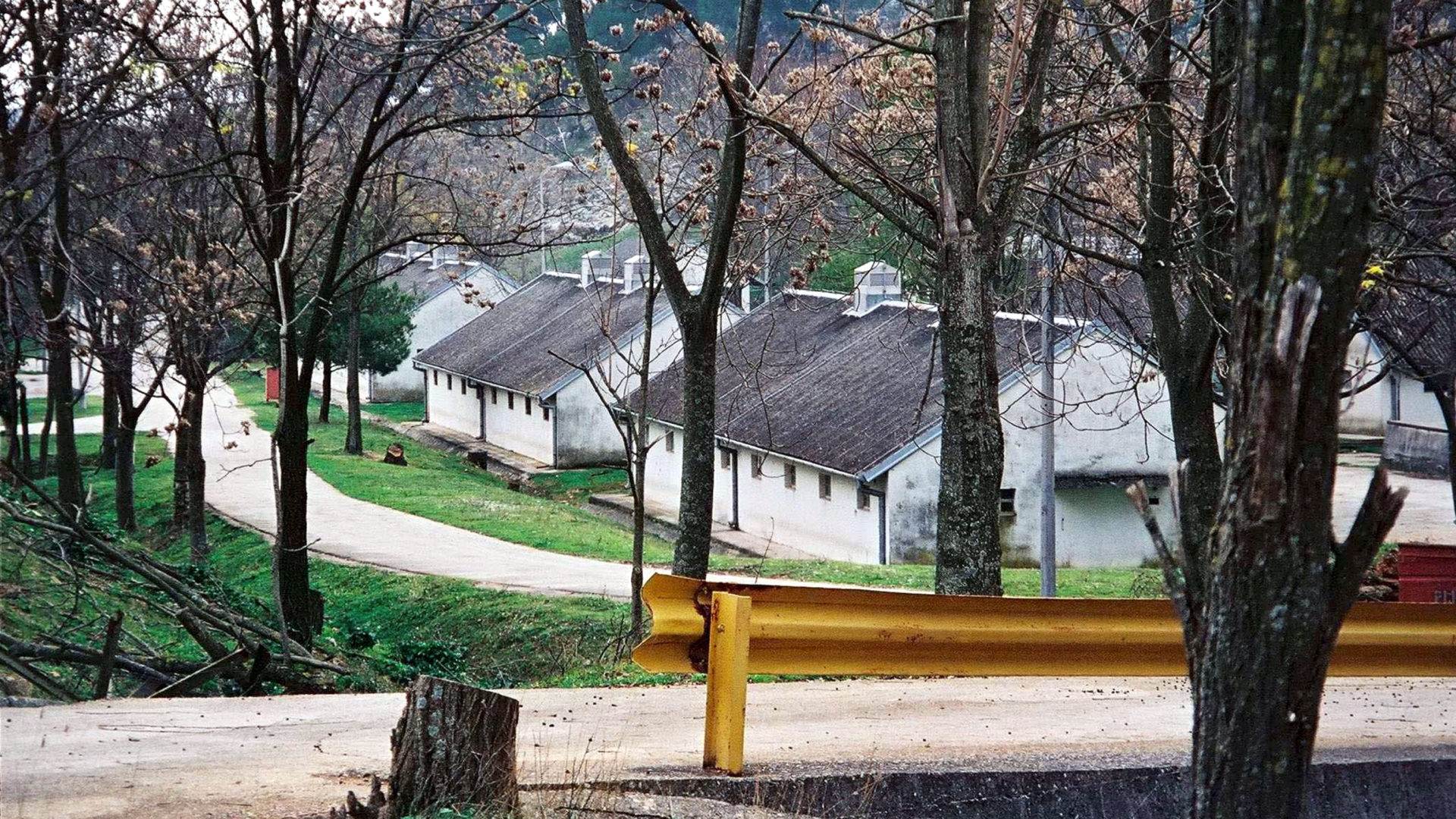
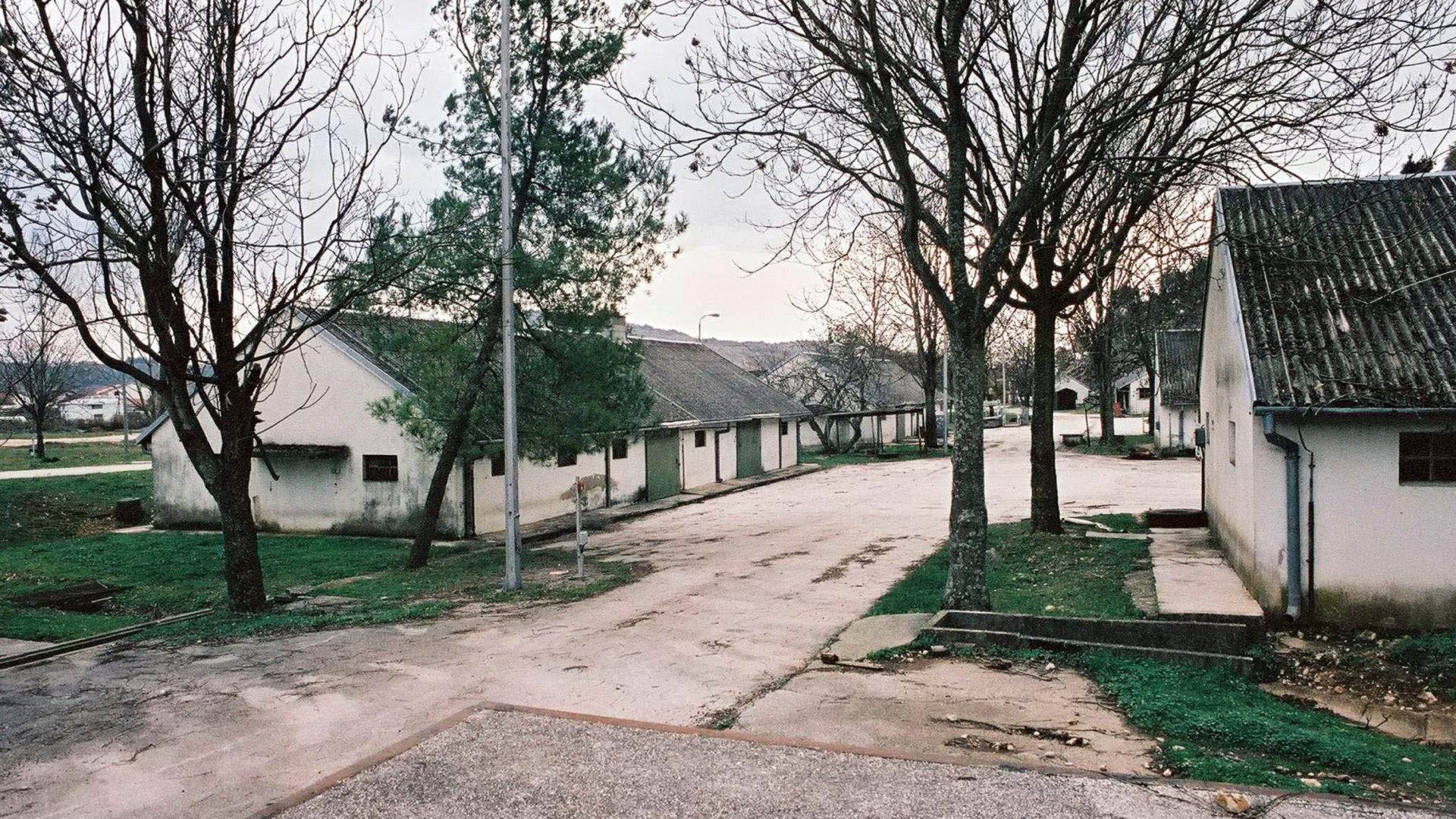
During the war in Bosnia and Herzegovina, Yugoslav military facilities near Čapljina became centres where civilians were physically and mentally abused and killed in a cruel manner. Detainees were brought to such centres from other detention facilities and detained in at least four hangars and two tunnels of the Dretelj concentration camp.
Court facts
Cantonal Court in Mostar
Members of the Croatian Defence Council (HVO) imprisoned Bosniaks in hangars in the Yugoslav People’s Army (JNA) former military compound Dretelj from the end of June and during July 1993. (Frane Vulić, p. 8.), (Mijo Banović and Gojko Granić, p. 7.), (Niko Lovrić, p. 6.)
Three Bosniak detainees were shot dead in front of the hangars at the Dretelj camp in mid-July 1993. (Frane Vulić, pp. 1-2, 14-16, 17-18.)
Bosniaks were physically and mentally abused in Dretelj in July 1993. (Mijo Banović and Gojko Granić, pp. 2, 23-26.)
In addition to being beaten, the detainees in the Dretelj camp were forced “to lie on the wire” (iron rebar) and lie naked on hot concrete during August and September 1993. (Ado Alagić, pp. 1-2, 4.)
Before and after eating detainees in Dretelj were taken out of the hangar and beaten with a wooden club, a chain, and a rifle butt in August 1993. (Mijo Banović and Gojko Granić, pp. 1-2, 21-22.)
At the end of June and beginning of July 1993, non-Croat civilians from Neum were taken out of their homes under the pretext of going to an interrogation and then imprisoned in the Dretelj camp. (Niko Lovrić, pp. 1-2, 4-5.)
ICTY
In April 1993, HVO members took Bosniak men from the Čapljina Municipality, including Bosniak intellectuals and men who were not members of any armed forces, to the Grabovina barracks and the Dretelj prison. (paras. 2075., 2077. Prlić et al., vol. II, p. 551.)
The HVO continued with the arrests from late June to mid-July 1993, and the men were detained at Dretelj, Gabela and the Heliodrom. (para. 2083. Prlić et al., vol. II, p. 553.)
The Dretelj prison functioned as a detention centre from April 1993 until early October 1993. (para. 44. Prlić et al., vol. III, p. 12.)
The first detainees were brought to the prison at Dretelj in April 1993 after the arrest of members of the Army of the Republic of Bosnia and Herzegovina (ARBiH) in the Čapljina area. Then Bosniak men were detained until early October 1993 and detainees were brought in waves from Stolac, Čapljina, and Mostar, but also from other HVO detention centres. (para. 39. Prlić et al., vol. III, p. 11.)
Members of the ARBiH, military-aged men, and HVO soldiers of Bosniak ethnicity were arrested in Mostar and brought to the Dretelj prison starting on June 30, 1993. (para. 41. Prlić et al., vol. III, p. 12.)
According to one report, from June 30, 1993 to August 5, 1993, more than 2,500 Bosniaks were detained in the Dretelj prison. (para. 46. Prlić et al., vol. III, p. 13.)
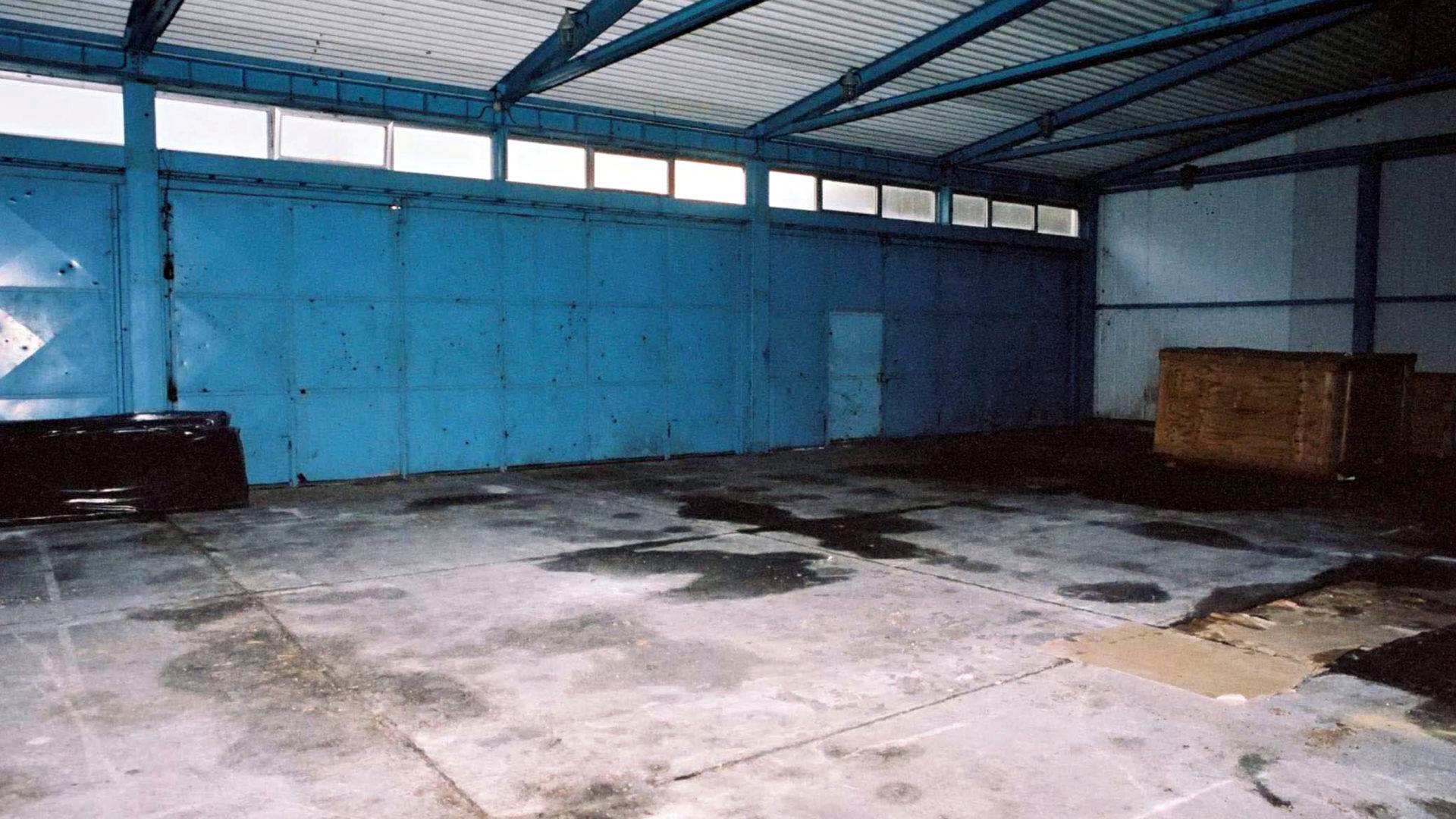
At least four hangars and two tunnels were used for detention at Dretelj. (para. 59. Prlić et al., vol. III, p. 16.)
During the intense heat of mid-July 1993, HVO members kept the detainees locked up without food or water, until one of them died of dehydration. (para. 91. Prlić et al., vol. III, p. 26.)
In mid-July, while the detainees were locked in the hangars, several of them were wounded by bullets that went through the metal walls of the hangars from the outside. After the shooting, the wounded were not immediately helped, and at least three detainees died. (para. 114. Prlić et al., volume III, p. 32.)
At the beginning of August, one detainee was beaten by members of the HVO in front of a cell in Dretelj and died from his injuries. (para. 119-120. Prlić et al., volume III, p. 34.)
Another detainee died as a result of the blows of another detainee, a Bosniak, who was acting on the orders of members of the HVO. (para. 121. Prlić et al., volume III, p. 34.)
Persons detained in solitary confinement were beaten daily, even several times in one day. Members of the HVO especially used lunch time to mistreat and humiliate detainees. (paras. 123., 125-126. Prlić et al., volume III, pp. 35-36)
The entire time the prison in Dretelj functioned as a detention centre, detainees were taken to other detention centres. Beginning in September 1993, detainees began to leave the prison and later went to third countries. (para. 145. Prlić et al., volume III, p. 40.)
Court of Bosnia and Herzegovina
The Bruno Bušić barracks in Dretelj had all the characteristics of a concentration camp. Serb civilians were held there and subjected to various forms of psychological and physical abuse on a daily basis. They were held in extremely inhumane and unhygienic conditions and were taken to perform forced labour in and outside the barracks. (paras. 277., 394. Ivan Zelenika et al., pp. 78, 106-107.)
Civilians from Mostar who had previously been detained in the military medical clinic were transported to Dretelj, as well as civilians arrested in the Čapljina and Stolac areas. (para. 326. Ivan Zelenika et al., pp. 90-91.)
The total number of civilians detained in the men’s hangar was up to 200, while in the women’s hangar at one point up to 80 women were detained. (para. 398. Ivan Zelenika and others, p. 107.)
During their stay in Dretelj, detainees were beaten and physically injured. (paras. 651-654., 658-681., 712-733., 902-906. Ivan Zelenika and others, pp. 8-9, 162-163, 163-168, 174-179, 217-218.)
One of the detainees in Dretelj died as a result of being beaten in early August 1992 near the men's hangar. (paras. 615-629. Ivan Zelenika et al., pp. 8, 154-157.)
In the men's hangar, a detainee was brutally beaten in the first half of August 1992. He was transported first to the hospital in Čapljina and then he was taken in an unknown direction and his body was never found. (paras. 639-649. Ivan Zelenika et al., pp. 8, 159-162.)
At least six detainees who were taken out of Dretelj were killed and thrown into the Neretva River, while one was taken in an unknown direction and his remains were later found and exchanged. (paras. 759-764, Ivan Zelenika et al., pp. 185-187.)
Female detainees, including elderly women, were raped in this camp and were also physically abused, including being hit and threatened with firearms. (paras. 684-692., 884-888. Ivan Zelenika et al., pp. 8-9, 169-170, 214-215.), (paras. 177-183., 191-202. Ivan Medić and Tonćo Rajič, pp. 5, 55-60.), (paras. 106-118. Tonćo Rajič second instance verdict, pp. 4, 31-34.)
Detainees were also forced to have sexual relations with each other. (paras. 736-739. Ivan Zelenika et al., pp. 9, 179-180.)
In the Dretelj camp (some of the judgments also use the name prison) there were several facilities in which hundreds of Bosniaks were imprisoned during the summer of 1993. They consisted of several hangars, tunnels, and solitary cells, in which the number of detainees ranged between 40 and 60 (paras. 27., 136. second-instance verdict Dražen Mikulić, pp. 11, 35.), (para. 76. second-instance verdict Veselko and Ivo Raguž, p. 26.)
One of the detained Bosniaks in Dretelj was taken out of the hangar in July 1993, severely beaten, cut with glass, and shots were fired above his head with a firearm. (paras. 93-95. second instance verdict Dražen Mikulić, pp. 2-3, 27-28.)
The prisoners who were kept in solitary confinement during July and August 1993 were abused during lunch and were sprayed with a high pressure stream of water from a cistern. (paras. 202, 215-216. Dražen Mikulić, pp. 49, 52.)
One of the detainees was injured with a knife. (para. 277. Dražen Mikulić, p. 65.)
At the beginning of August 1993, the detainees in Dretelj were ordered to fight each other and one of them died after falling to the ground. (paras. 253-254. Dražen Mikulić, p. 60.)
Minors were also detained in Dretelj who were abused after being brought to the camp. (paras. 229-232. Dražen Mikulić, pp. 55-56.)
Detainees who were brought to the Dretelj camp at the beginning of August 1993 were tortured with electricity in a tin garage. (paras. 78-91. second-instance judgment of Veselko and Ivo Raguž, pp. 5, 26-33.)
County Court in Split
Detainees in the Dretelj camp were beaten by members of the HVO in August 1993 and hit with iron pipes, guns, wooden bats, and laths, causing some of them to lose consciousness. (M. M. and Ž. R. – judgment of the County Court in Split, pp. 4, 18.)
Mustafa’s story is one of hundreds told by former detainees from Dretelj who endured unimaginable physical abuse and days without water or food. He wants the truth about this place to be stated in a way that harms no one.
Mustafa Dizdar — “Dretelj” camp, Čapljina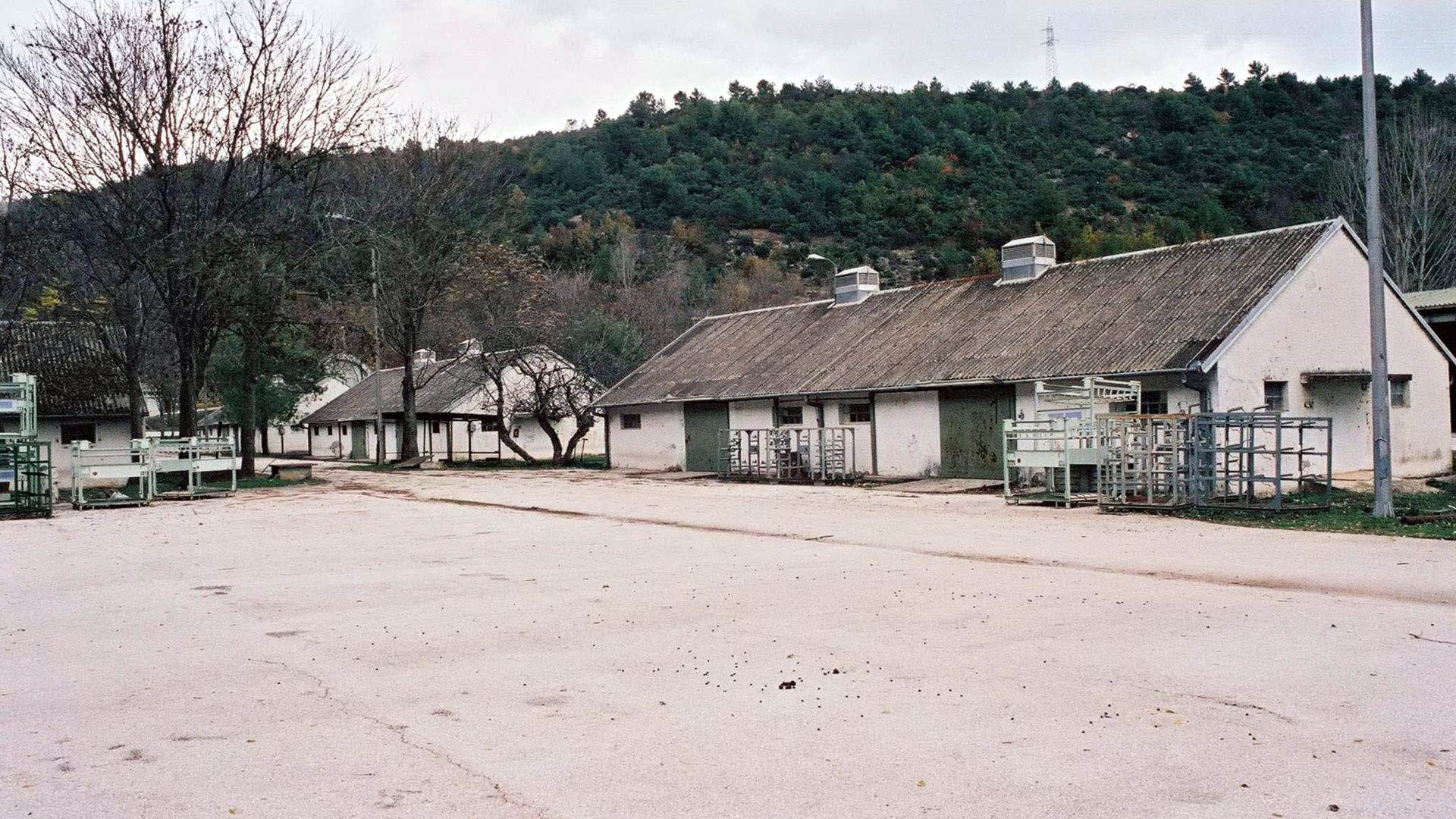
Related content

Dretelj
Dretelj bb, 88300 Čapljina