Crni vrh
Snagovo bb, 75400 Zvornik1992. - 1995.
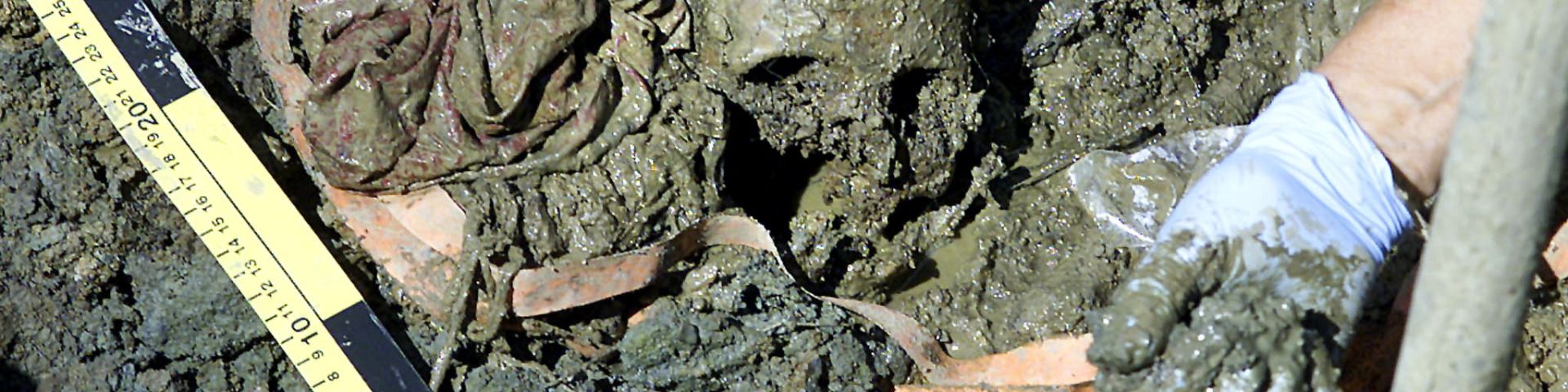
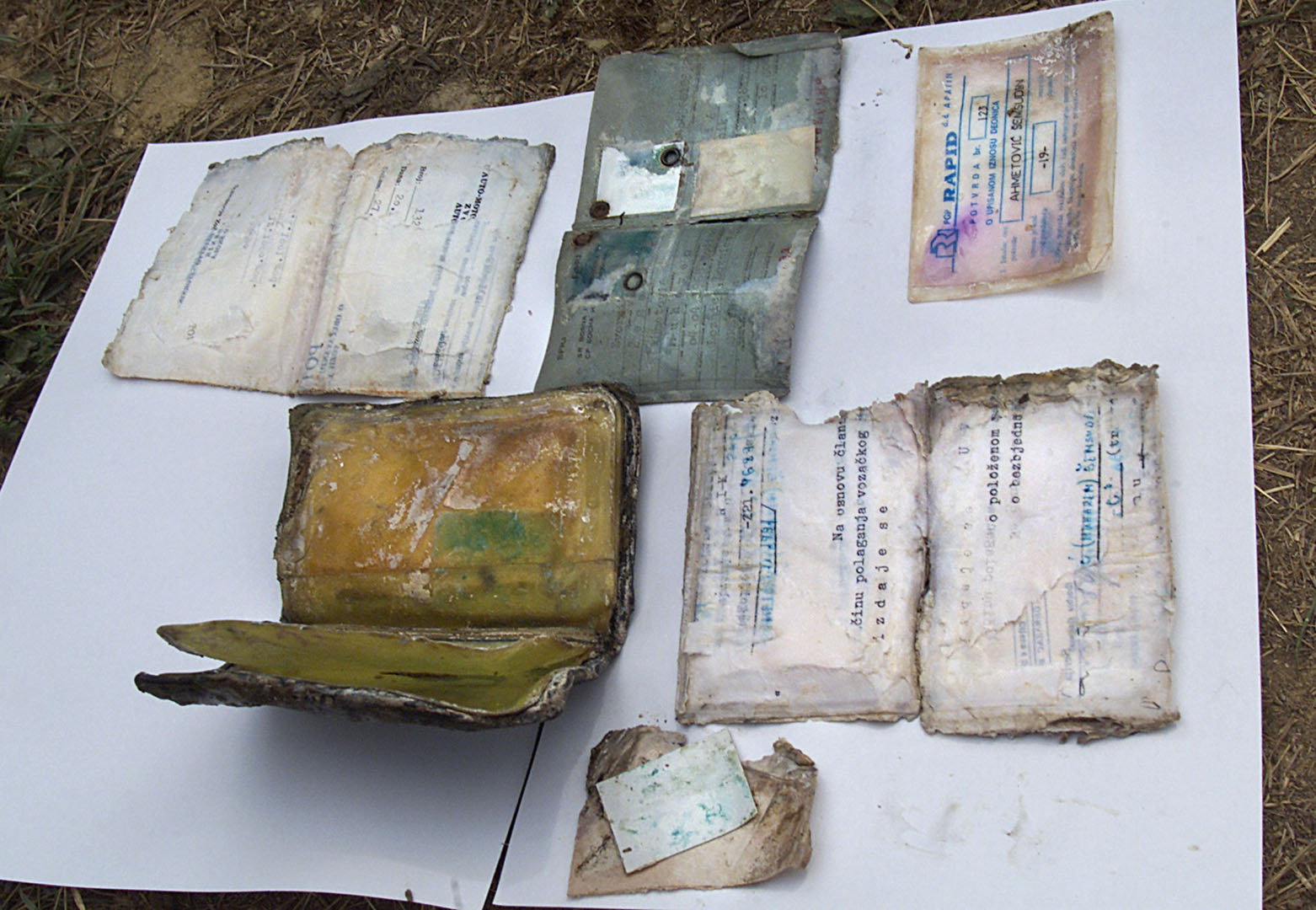
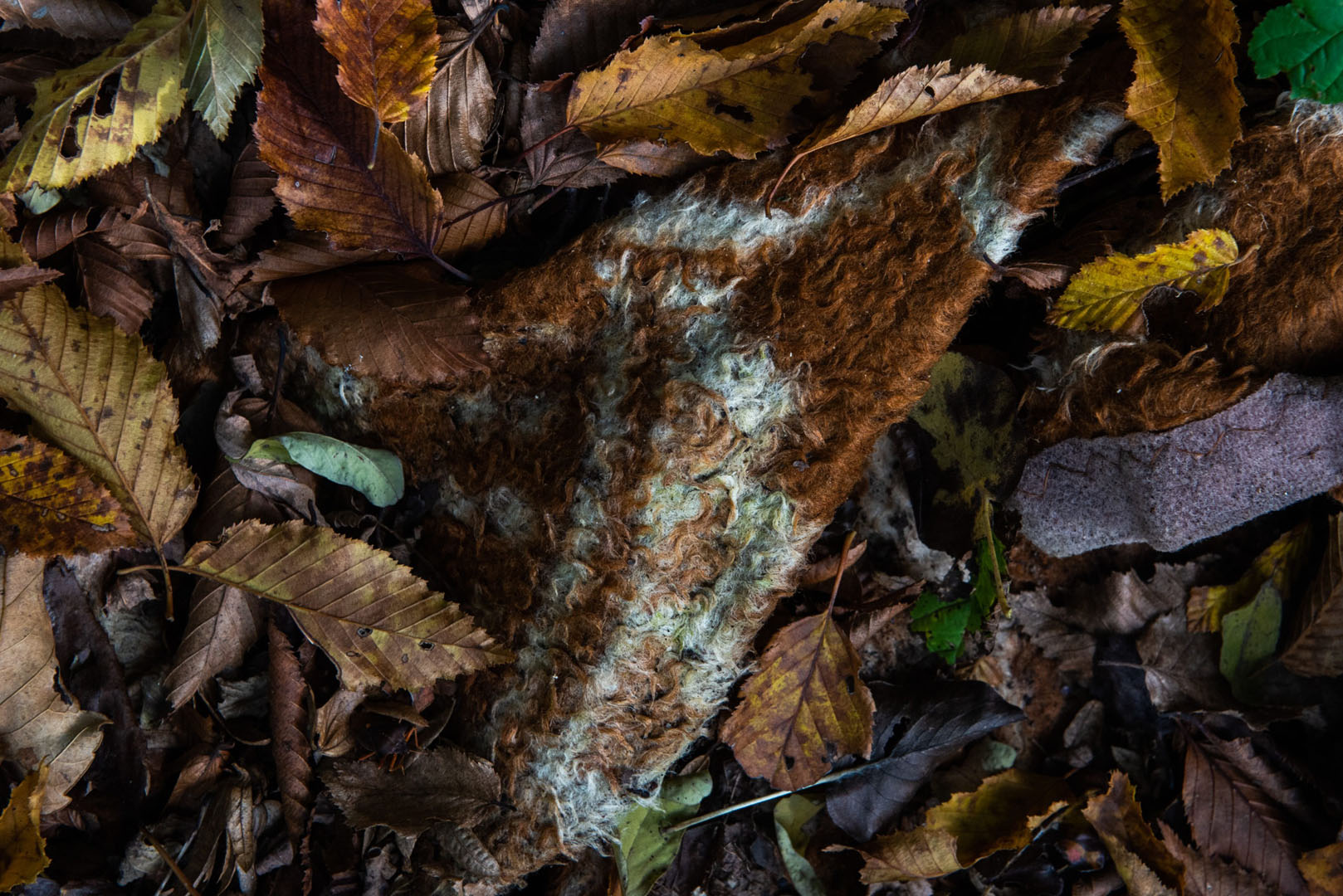
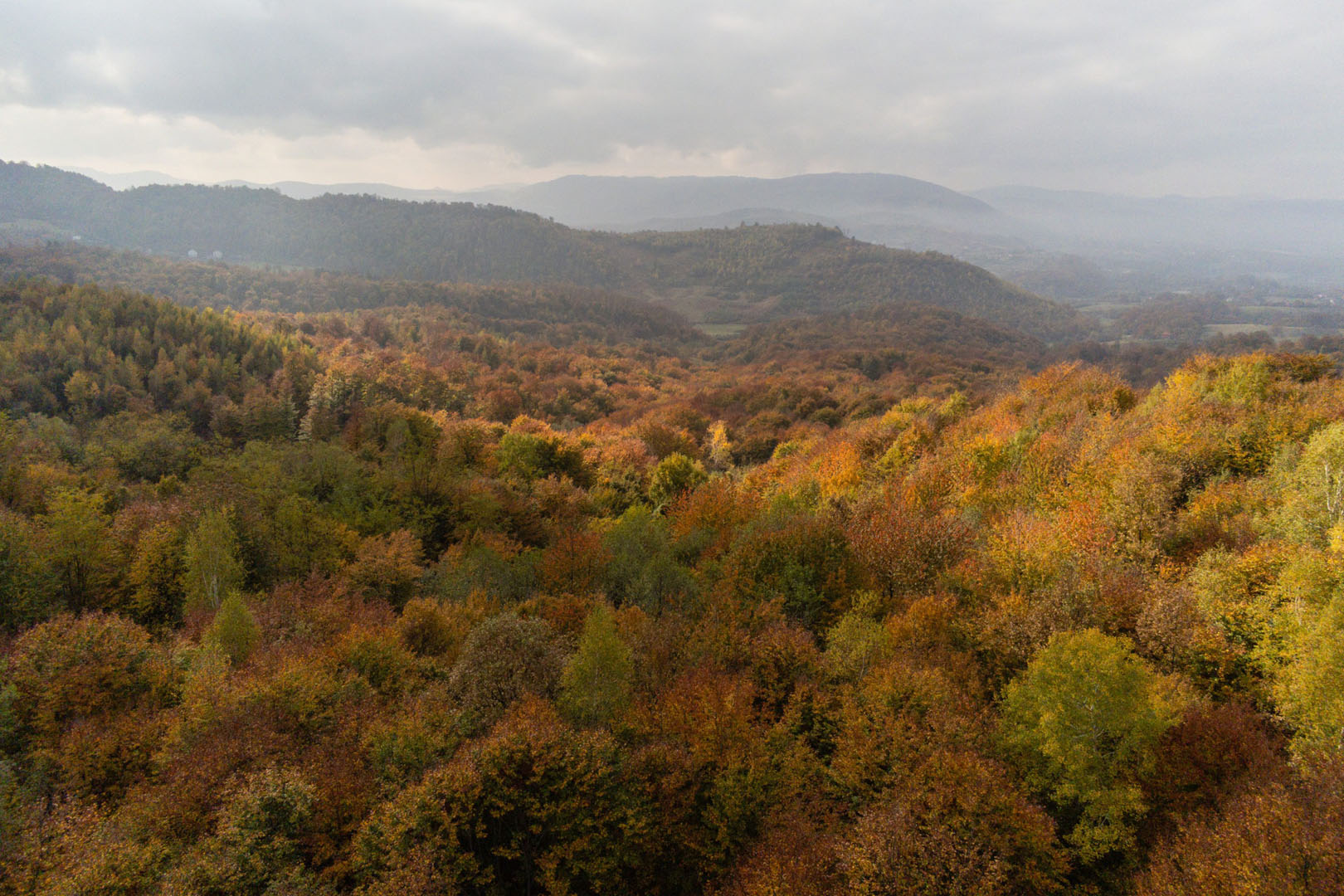
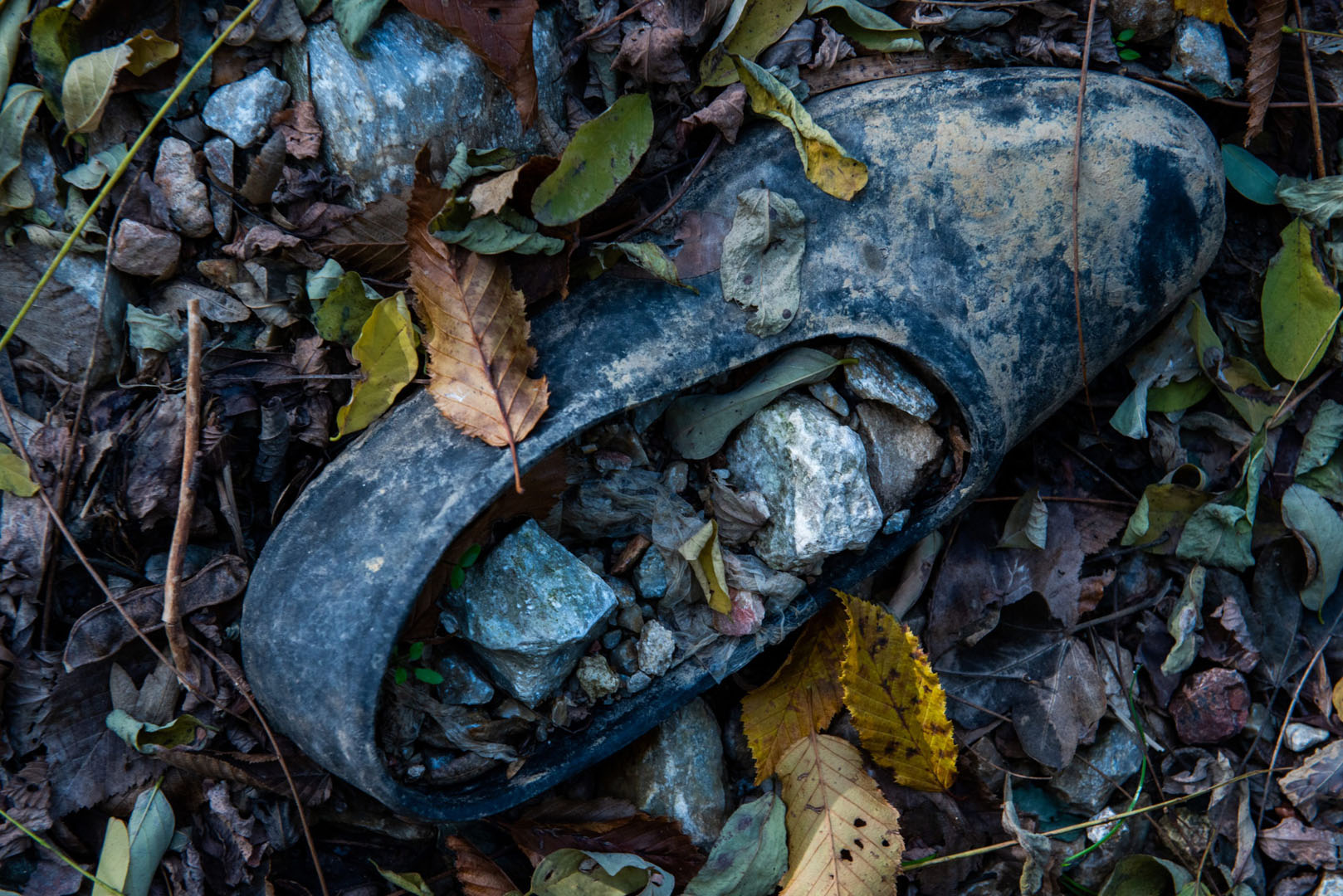
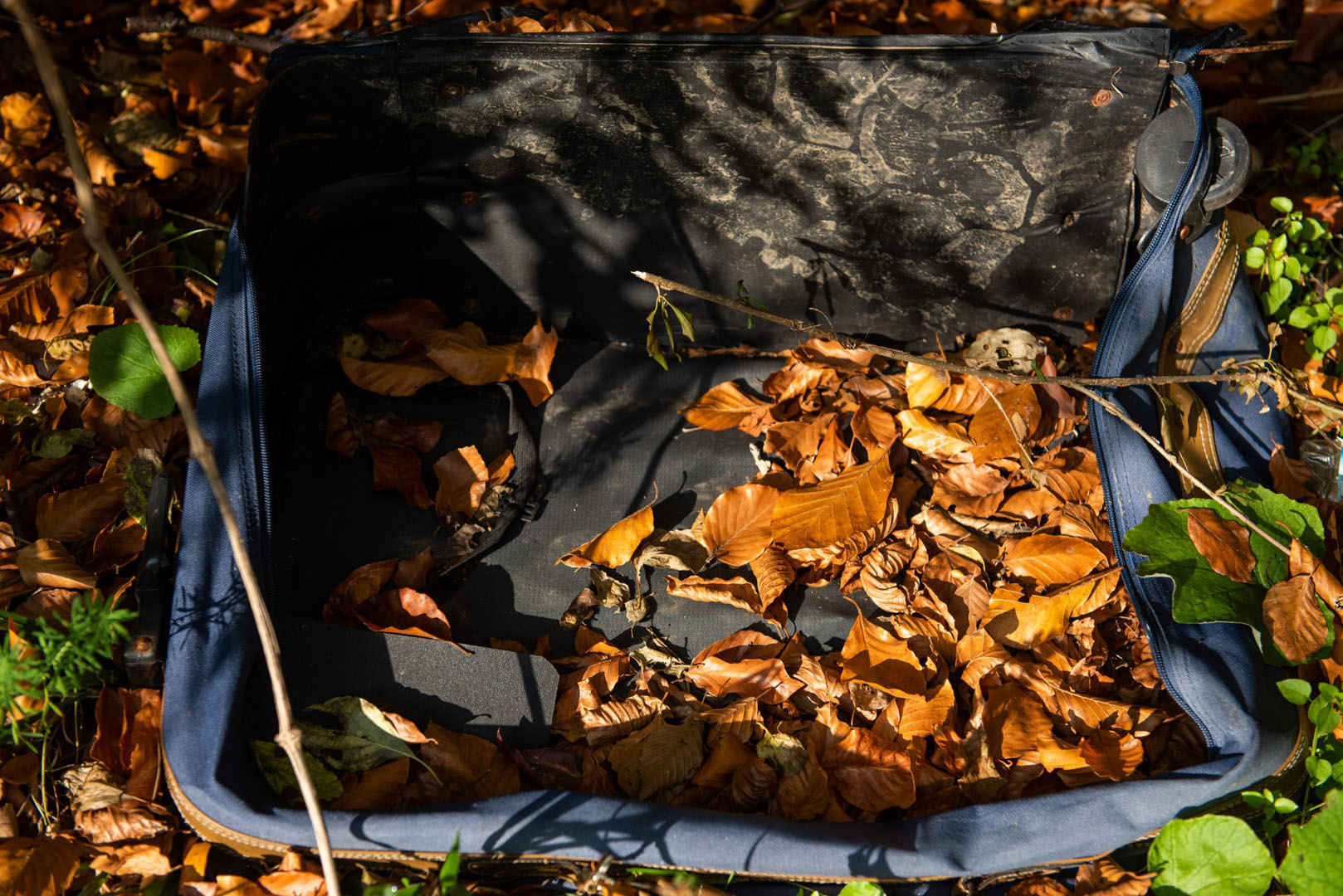
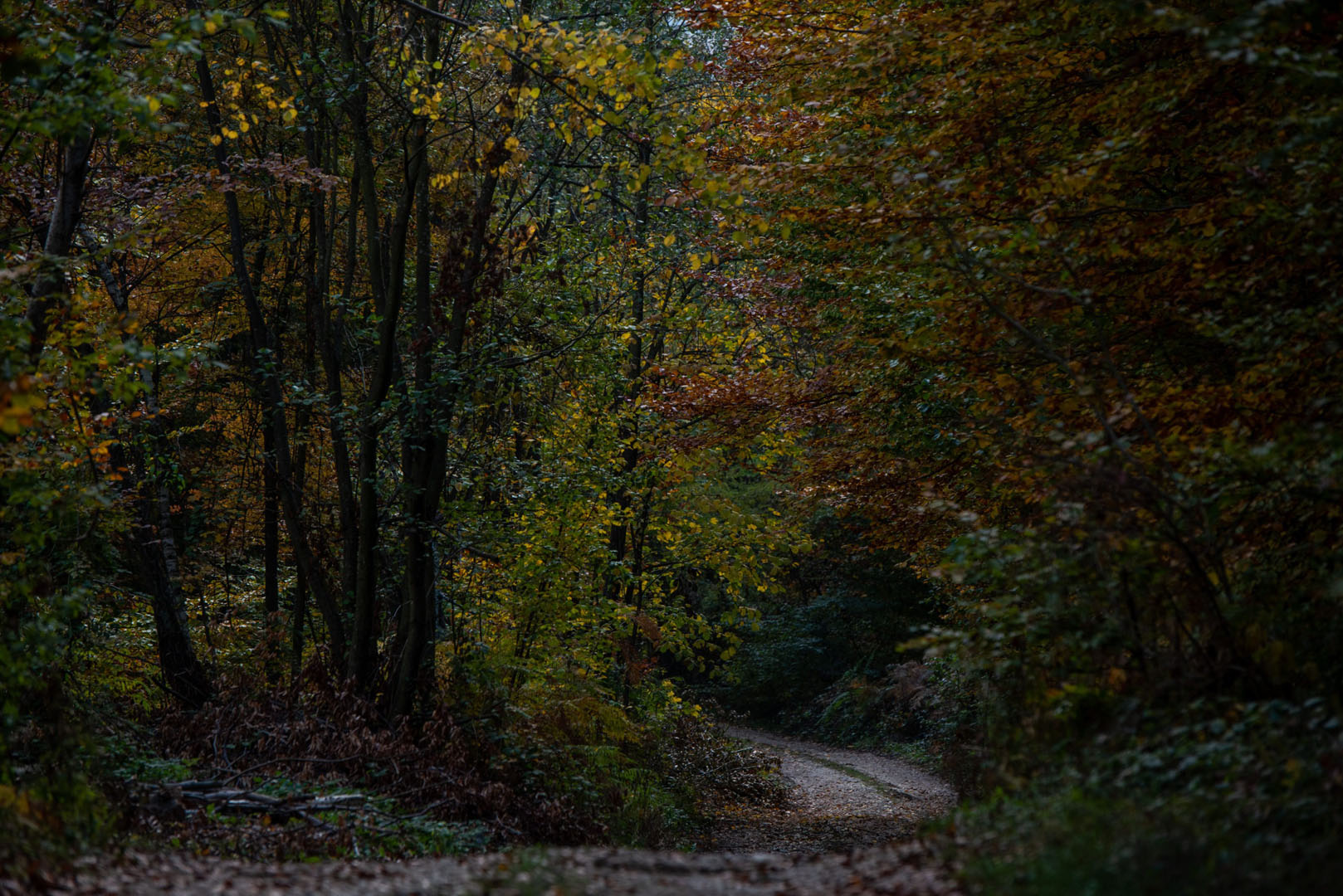
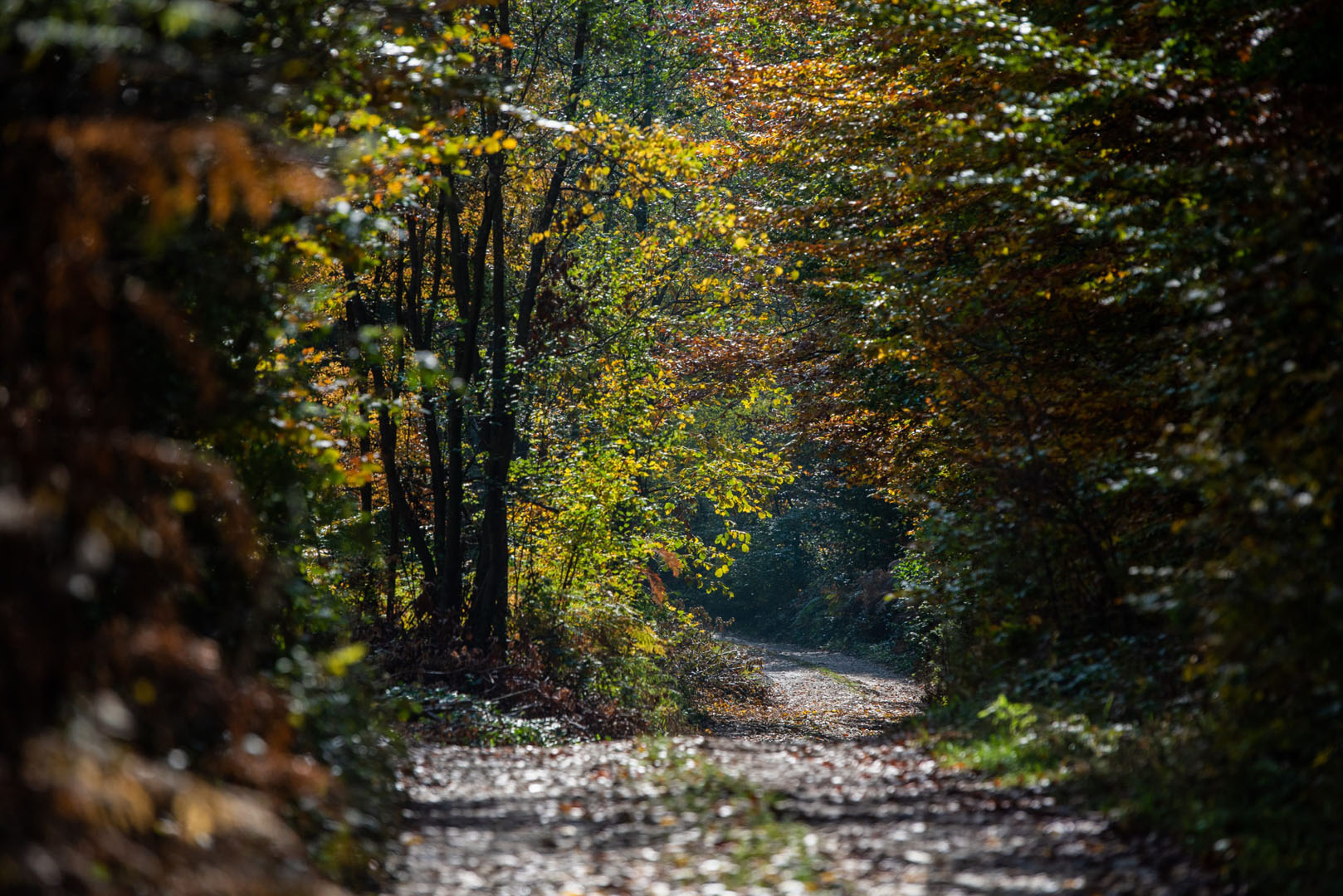
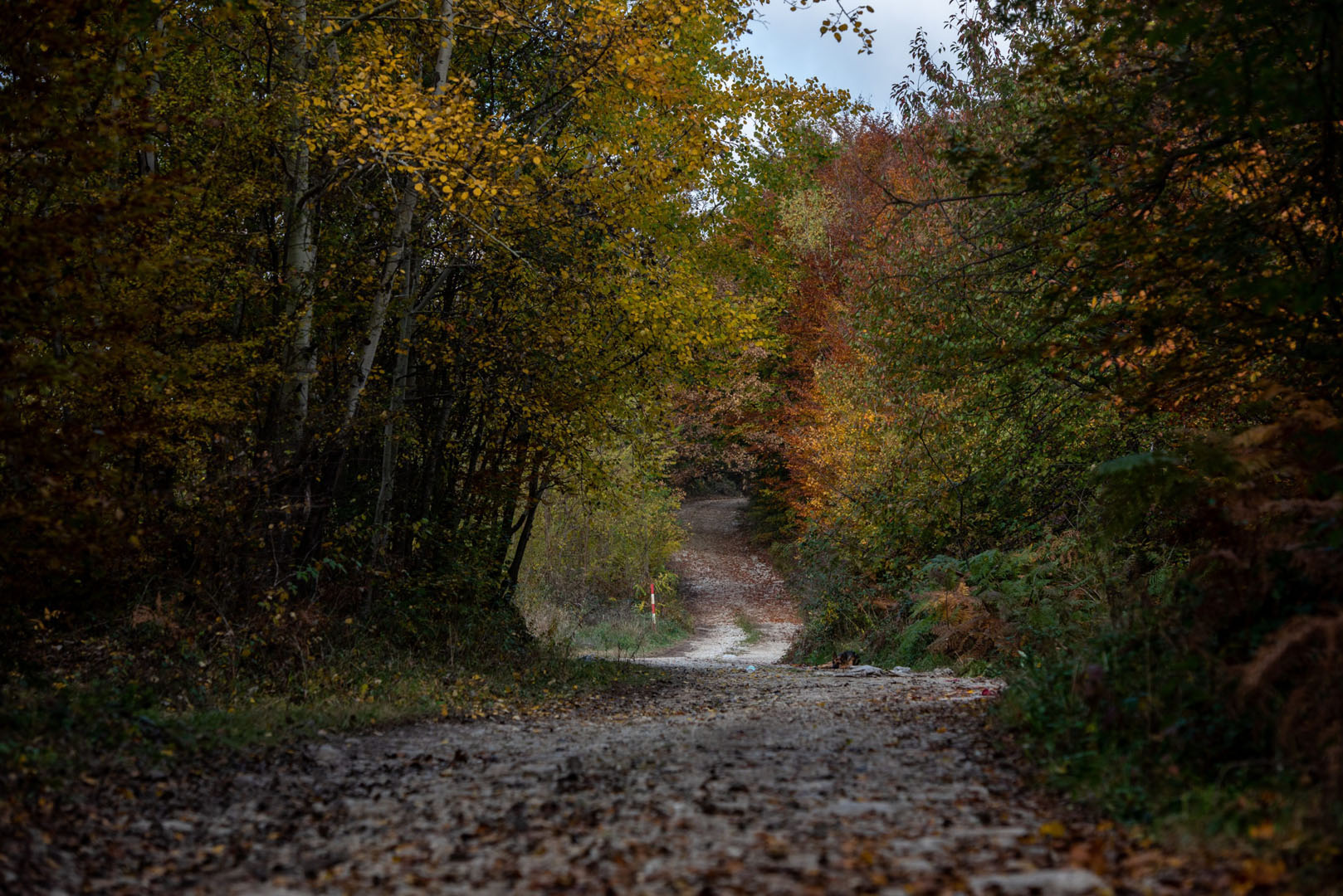
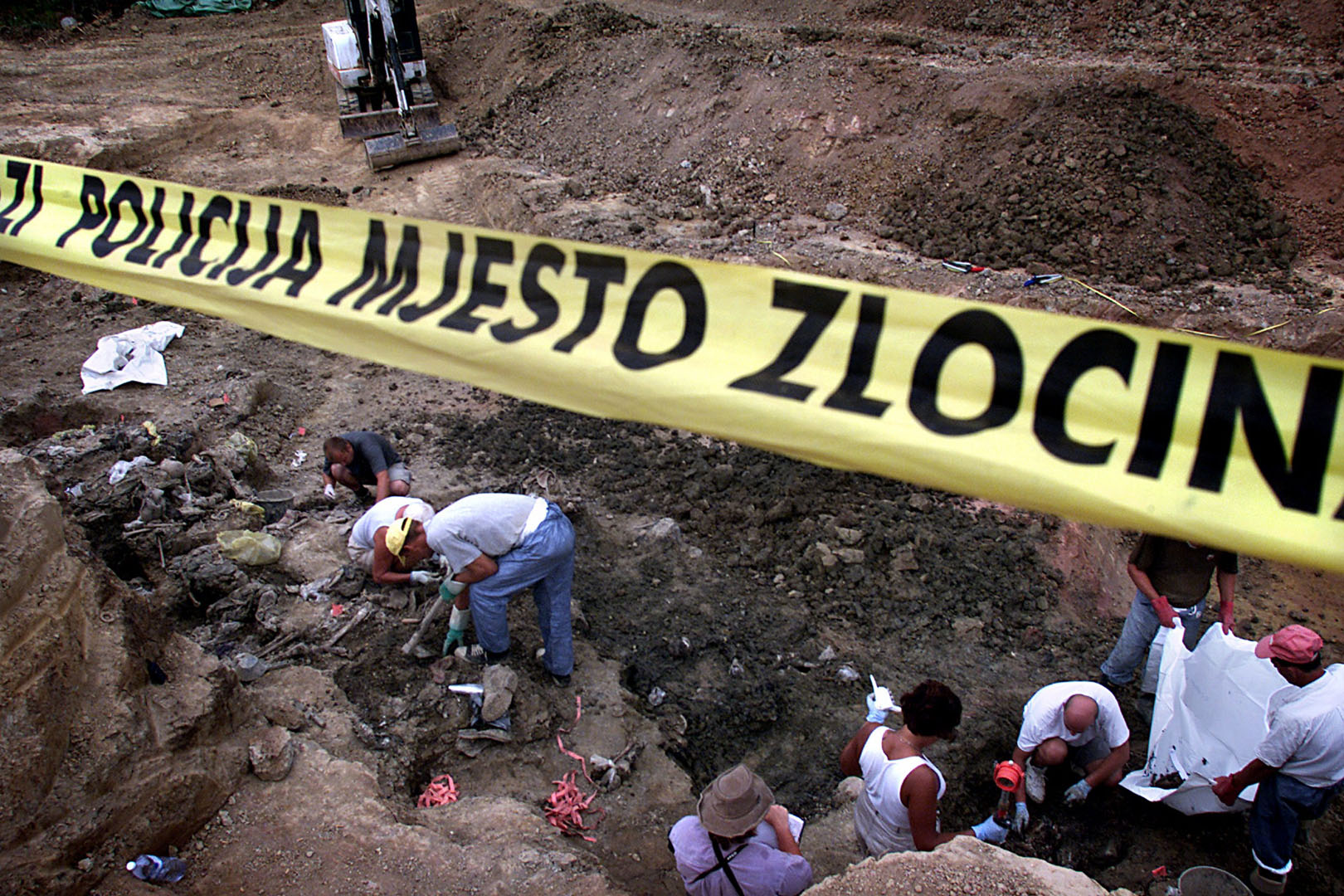
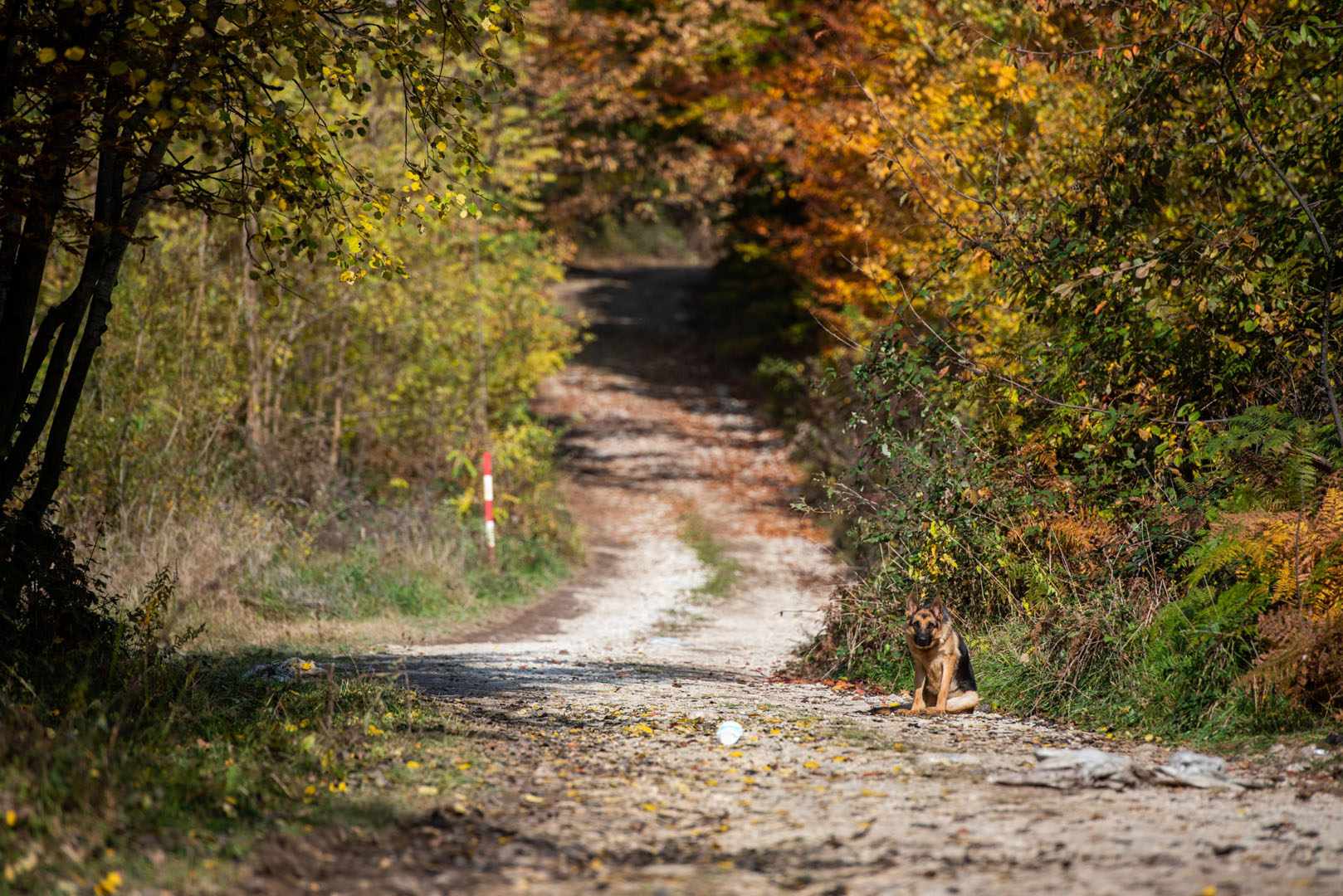
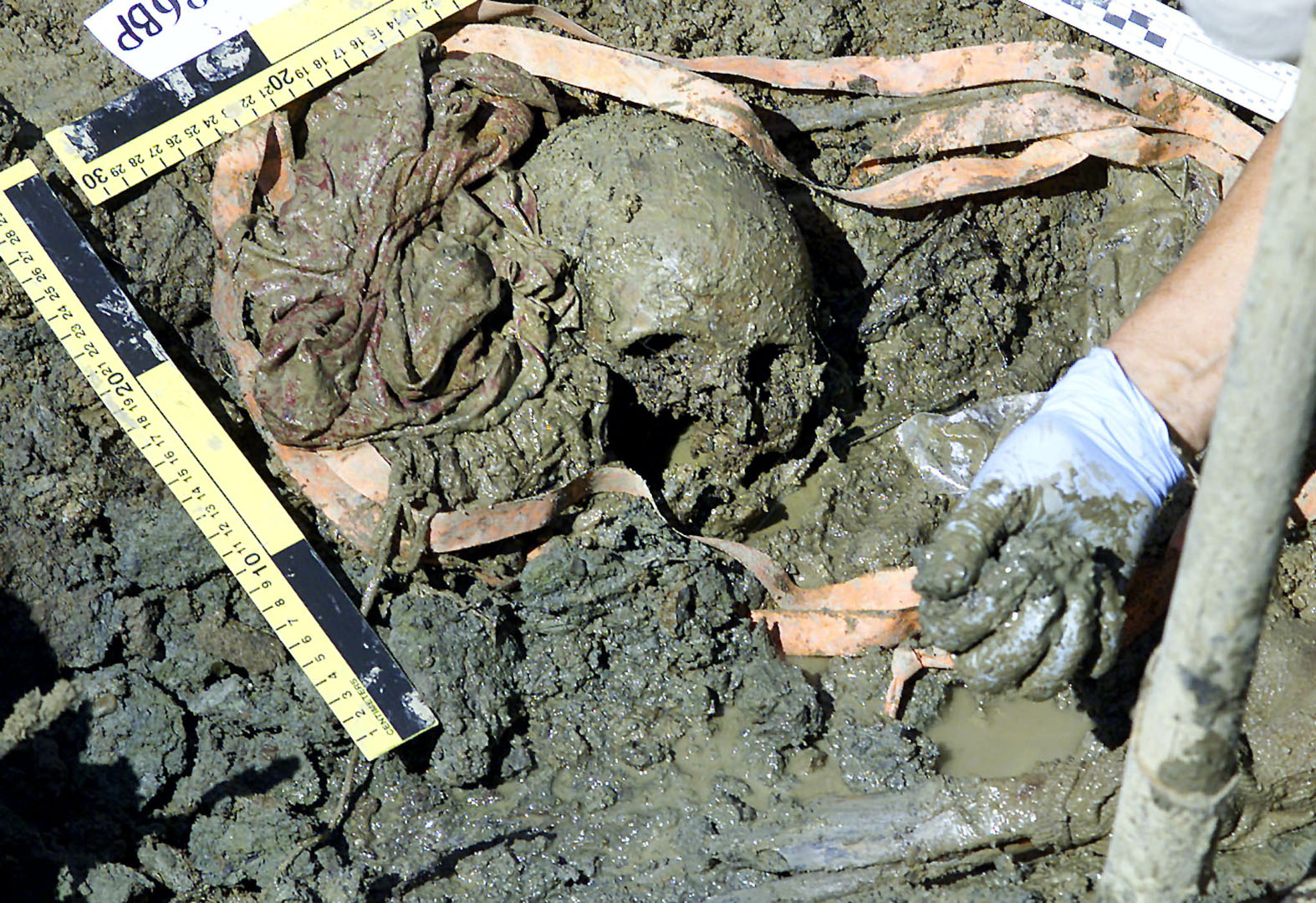
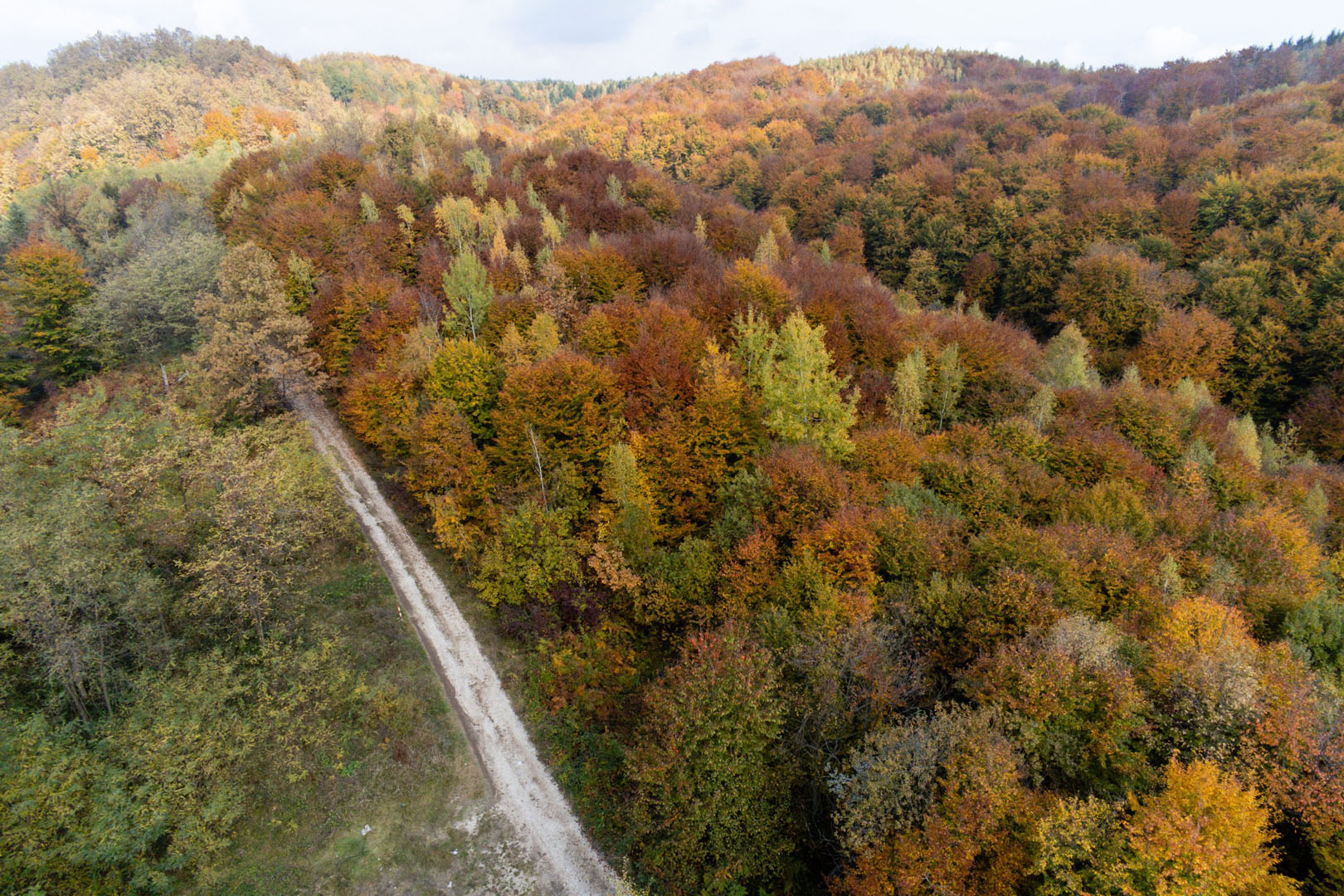
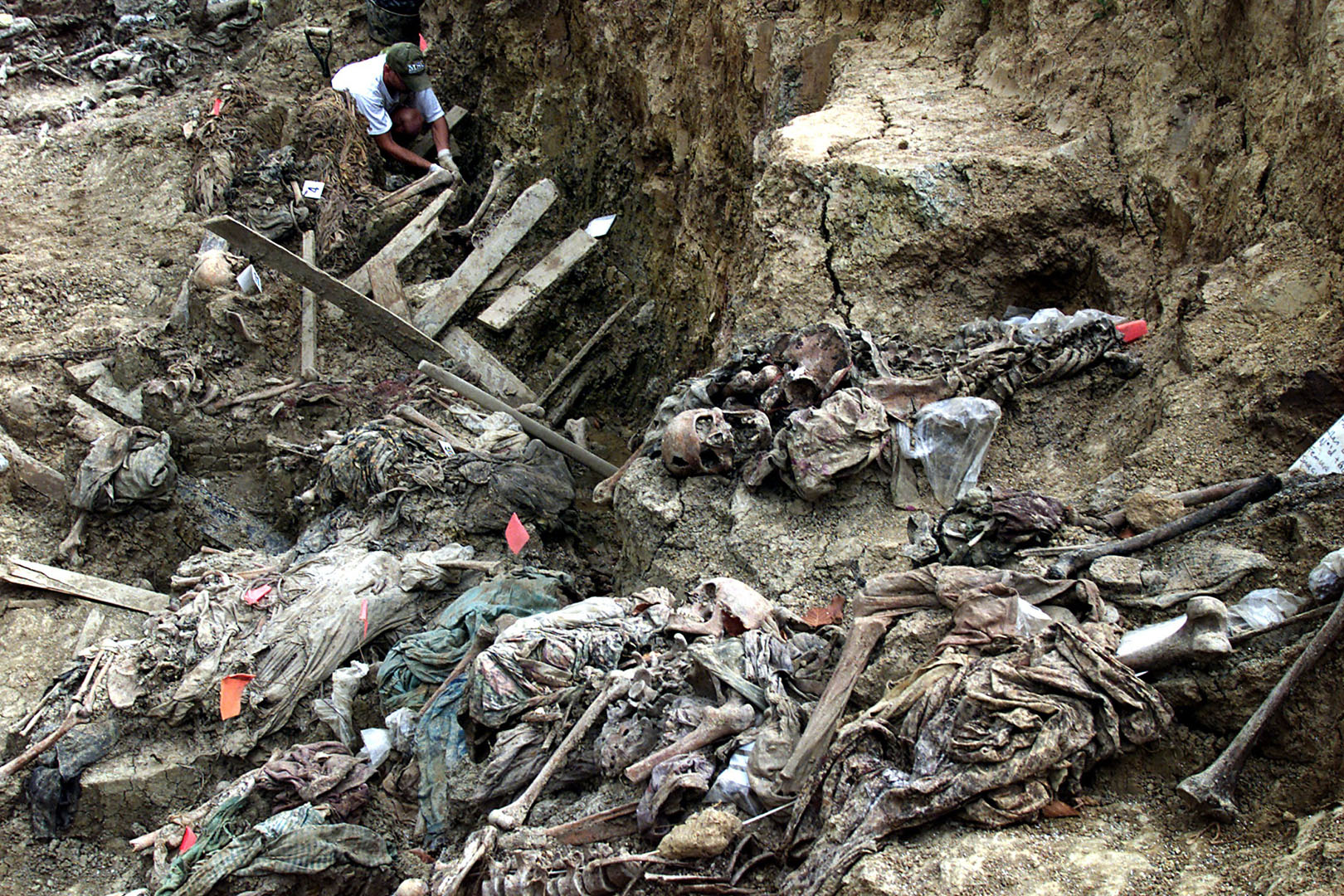
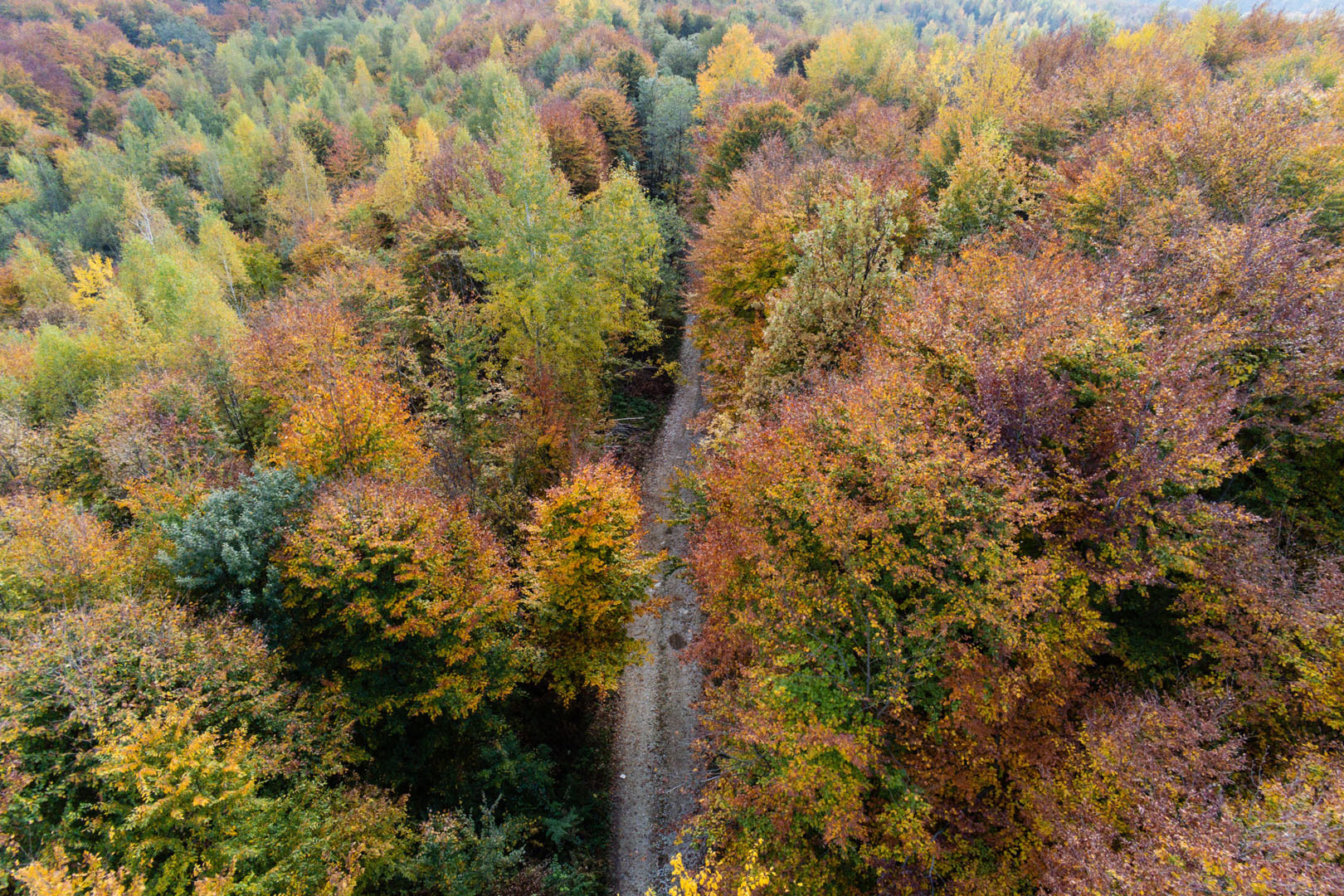
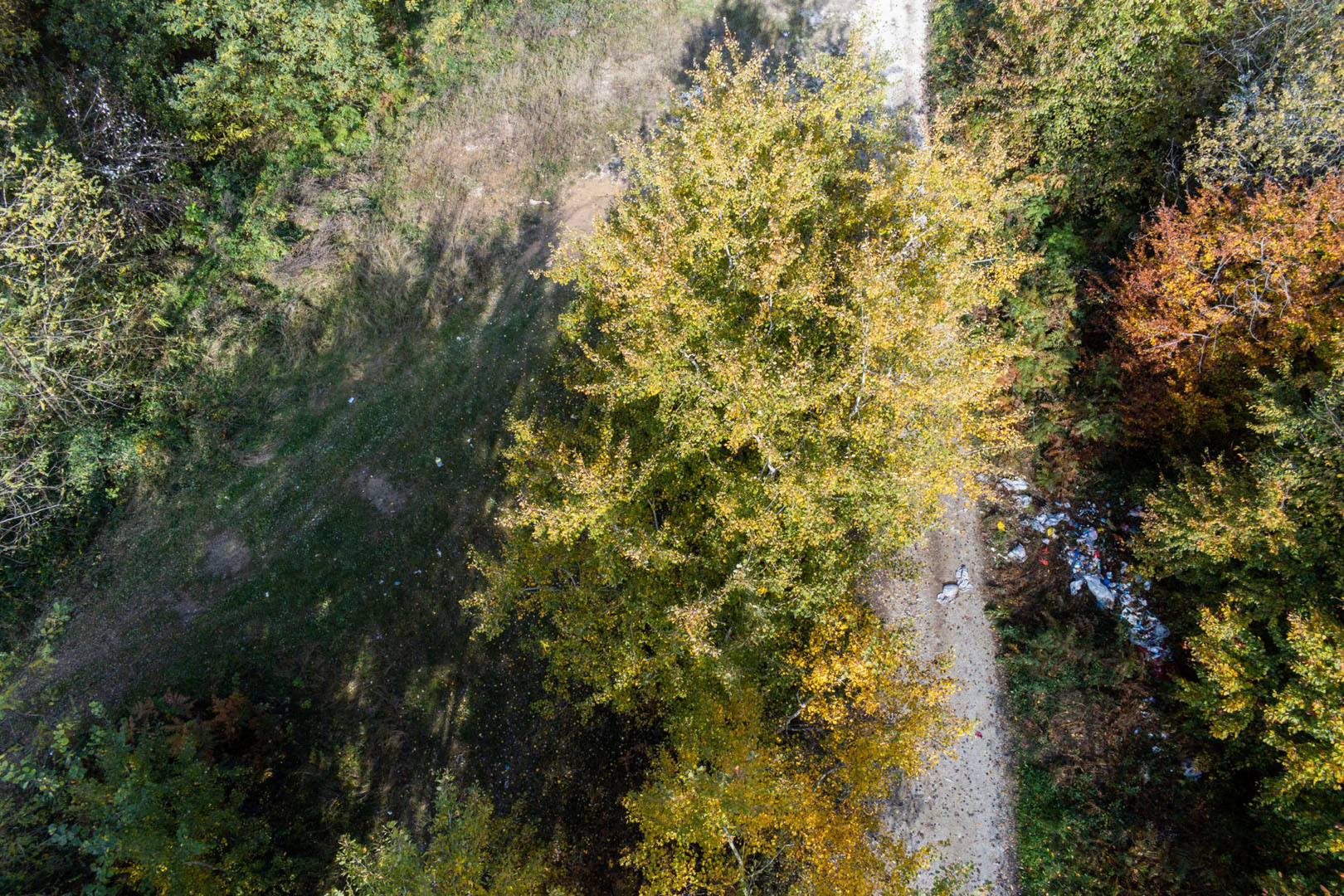
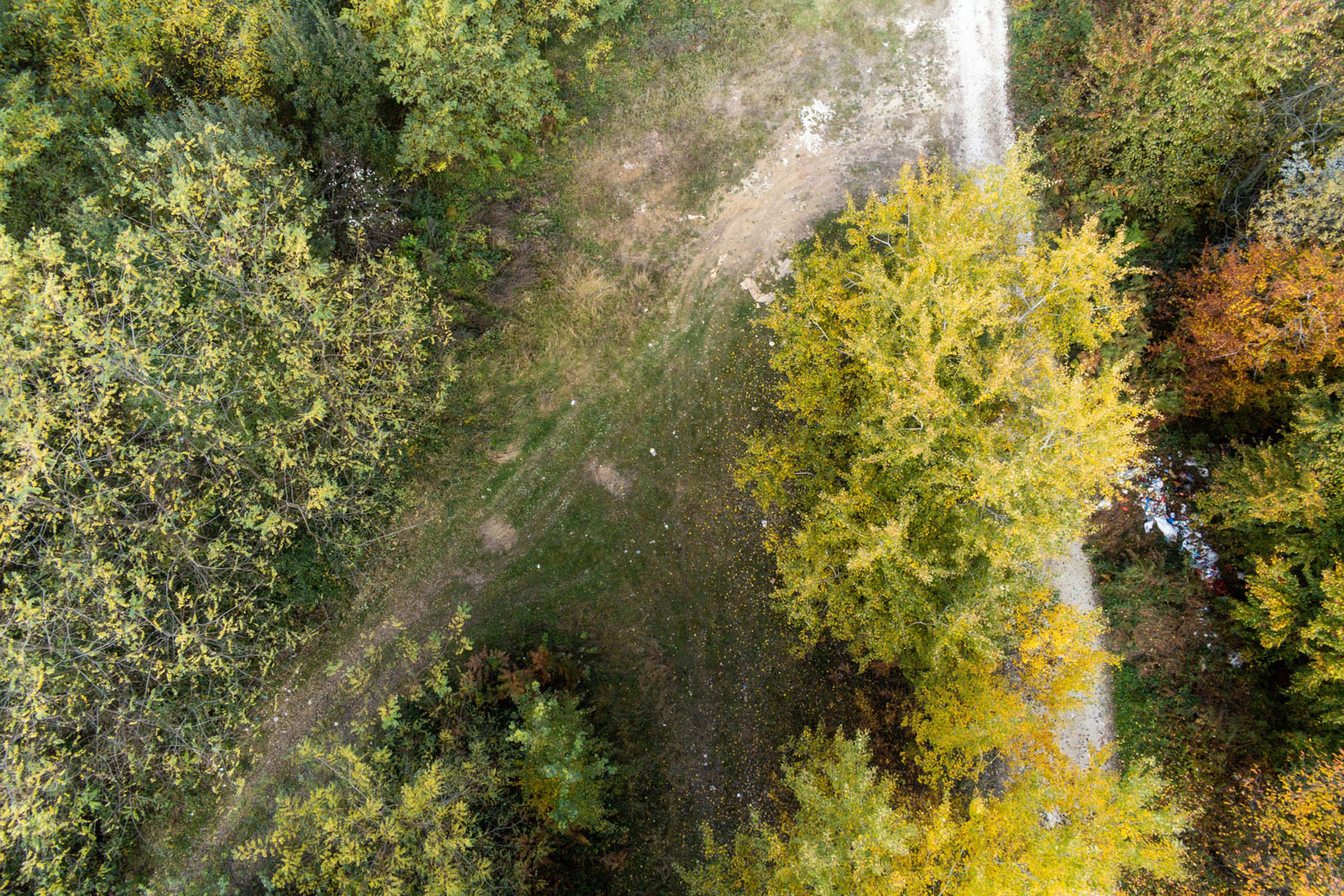
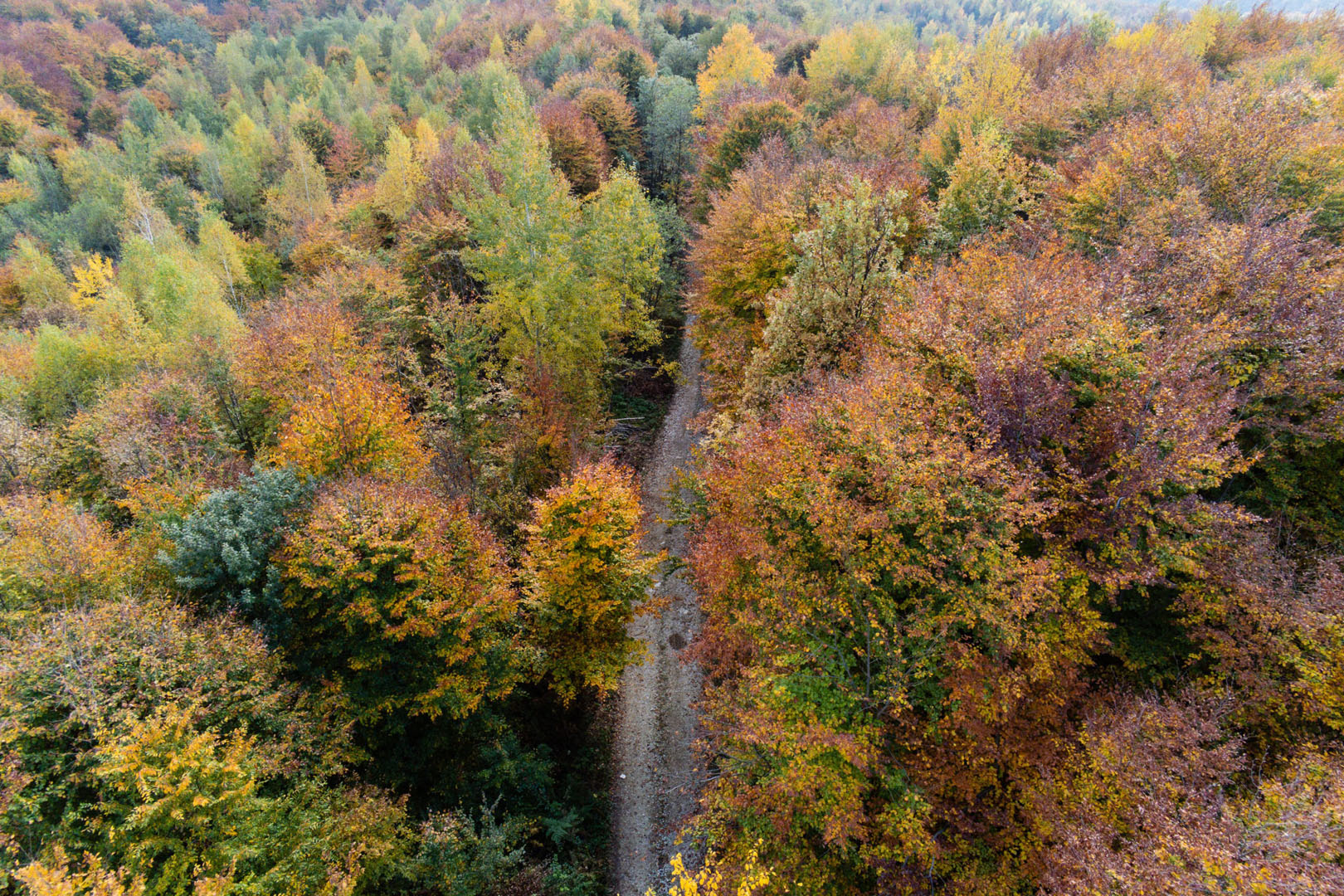
This secondary mass grave was discovered near the village of Snagovo, 16 kilometres southwest of Zvornik, in 2003. It is one of the largest mass graves discovered in Bosnia and Herzegovina – more than 40 metres long, five metres wide and three metres deep.
Court facts
ICTY
Serb paramilitary and police forces attacked Divič, and between 400 and 500 Bosniaks from this village, including women, children, and the elderly, were forced into buses, which took the captives to Crni vrh. (para. 365. Krajišnik, pp. 137-138.), (para. 1582. Stanišić and Župljanin, vol. I, p. 513.), (para. 1271. Karadžić, vol. I, p. 516.), (para. 192. Stanišić and Simatović, first instance judgment of the ICTY, p. 89.)
In 1992, the Serb authorities held civilians of predominantly Bosniak ethnicity in at least 19 detention centres in the Zvornik area. These included the Cultural Centre in Drinjača, the Cultural Centre in Čelopek, the Technical School in Karakaj, the “Gerina klaonica” in Karakaj, the Standard, Alhos, and Ekonomija factories in Karakaj, the CS headquarters in Orahovac, the prison near Novi izvor, the prison in Zvornik, the police station, the school in Kneževići, the brickyards in Karakaj at the entrance to the administration building, the company Hladnjača, the youth camp, a sports hall, Paša Salihović’s house, the primary school in Liplje, and the motel Vidikovac. (paras. 367-373. Krajišnik, pp. 139-141.), (para. 193. Stanišić and Simatović, first instance verdict of the ICTY, pp. 89-90.)
Higher Court in Belgrade
During June 1992, more than 160 civilians from Divič were held in the Cultural Centre in Čelopek in inhumane conditions. They were mentally and physically tortured and disappeared without any explanation. After the war, a number of detainees were exhumed and identified in the secondary mass grave Crni vrh. (Slavković et al., pp. 3-4, 75, 76.), (Grujić and Popović, pp. 4, 84, 90-96.), (Savić and Janković, pp. 5-6, 85-86, 99-102.)
In the first half of June 1992, some of the prisoners were beaten, tied with wire, and taken away from the centre. There has been no trace of them ever since. (Slavković et al., pp. 4, 76-82.)
Several detainees were killed in or outside the cultural centre and their remains were found in the Crni vrh grave. (Slavković et al., pp. 4-5, 83-92, 104-107.), (Grujić and Popović, pp. 10, 229-230.), (Savić and Janković, pp. 5-6, 86-90, 104.)
A few detainees were ordered to clean the centre and remove the bodies, after which they never returned. (Savić and Janković, pp. 6, 90-96.)
Some of the detainees were severely beaten, and some died from injuries sustained in the centre. (Slavković et al., pp. 5, 98-101, 107-108.)
Bosniak detainees in the Cultural Centre in Čelopek and on the Ekonomija agricultural estate were abused not only by members of the military and paramilitary formations from Serbia, but also by local residents. (Slavković et al., pp. 44, 154-155.)
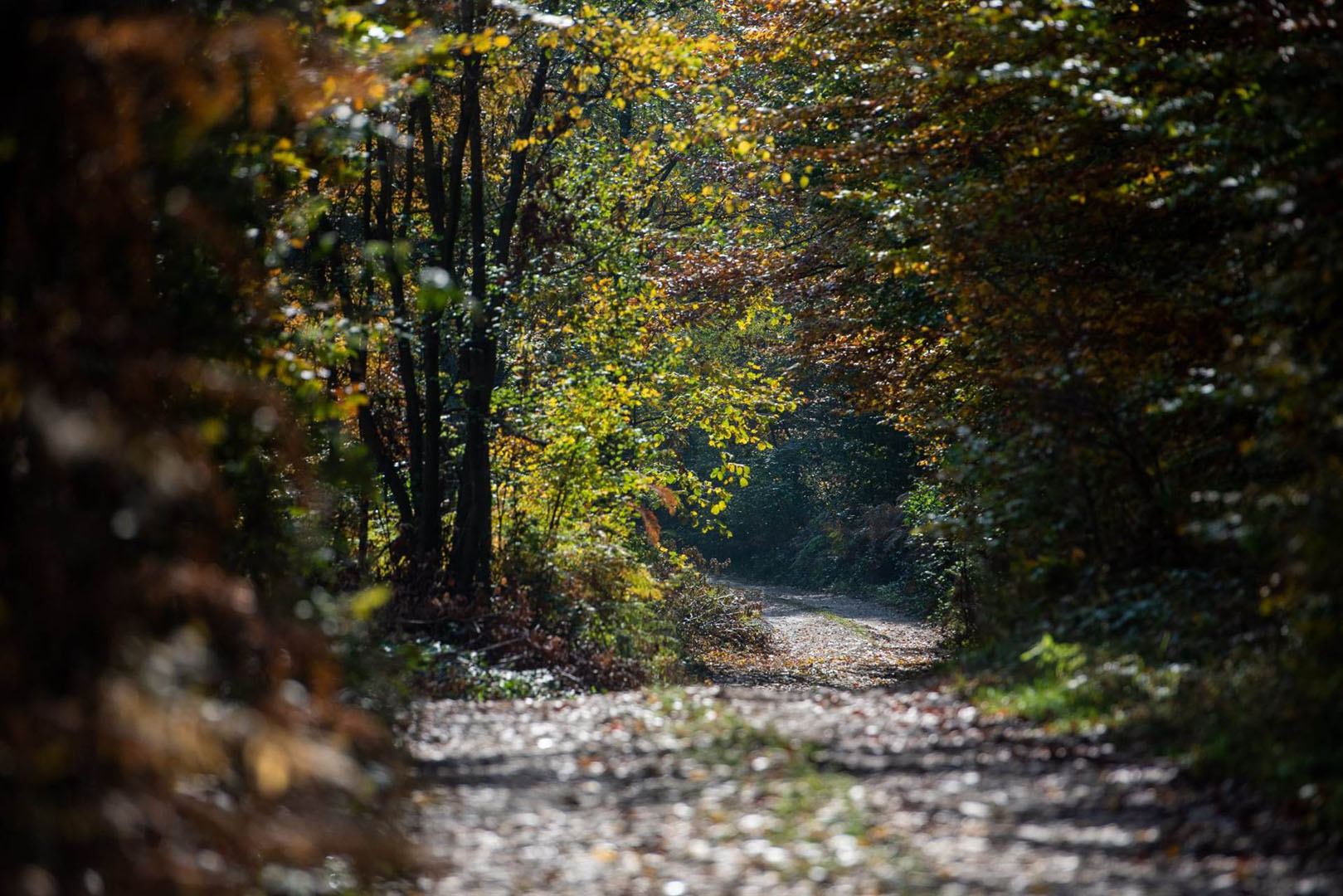
While waiting for years for institutions to support the association’s initiative to build a memorial at Crni Vrh near Zvornik to preserve the memory of hundreds of people killed there, Ahmet Grahić describes the painful process of identifying his father and relatives in this mass grave.
Ahmet Grahić — “Crni Vrh” mass grave, Zvornik
Related content

Crni vrh
Snagovo bb, 75400 Zvornik