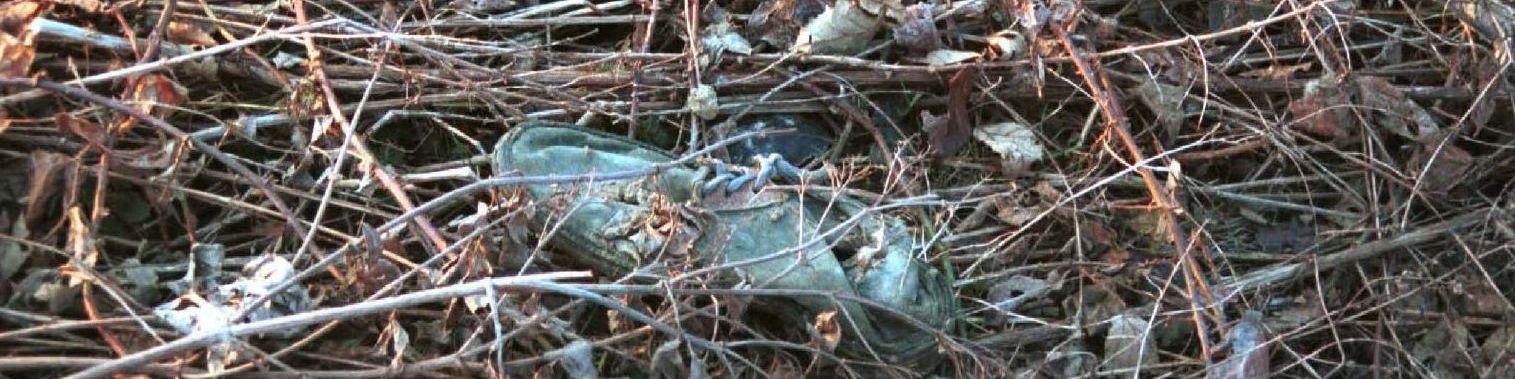
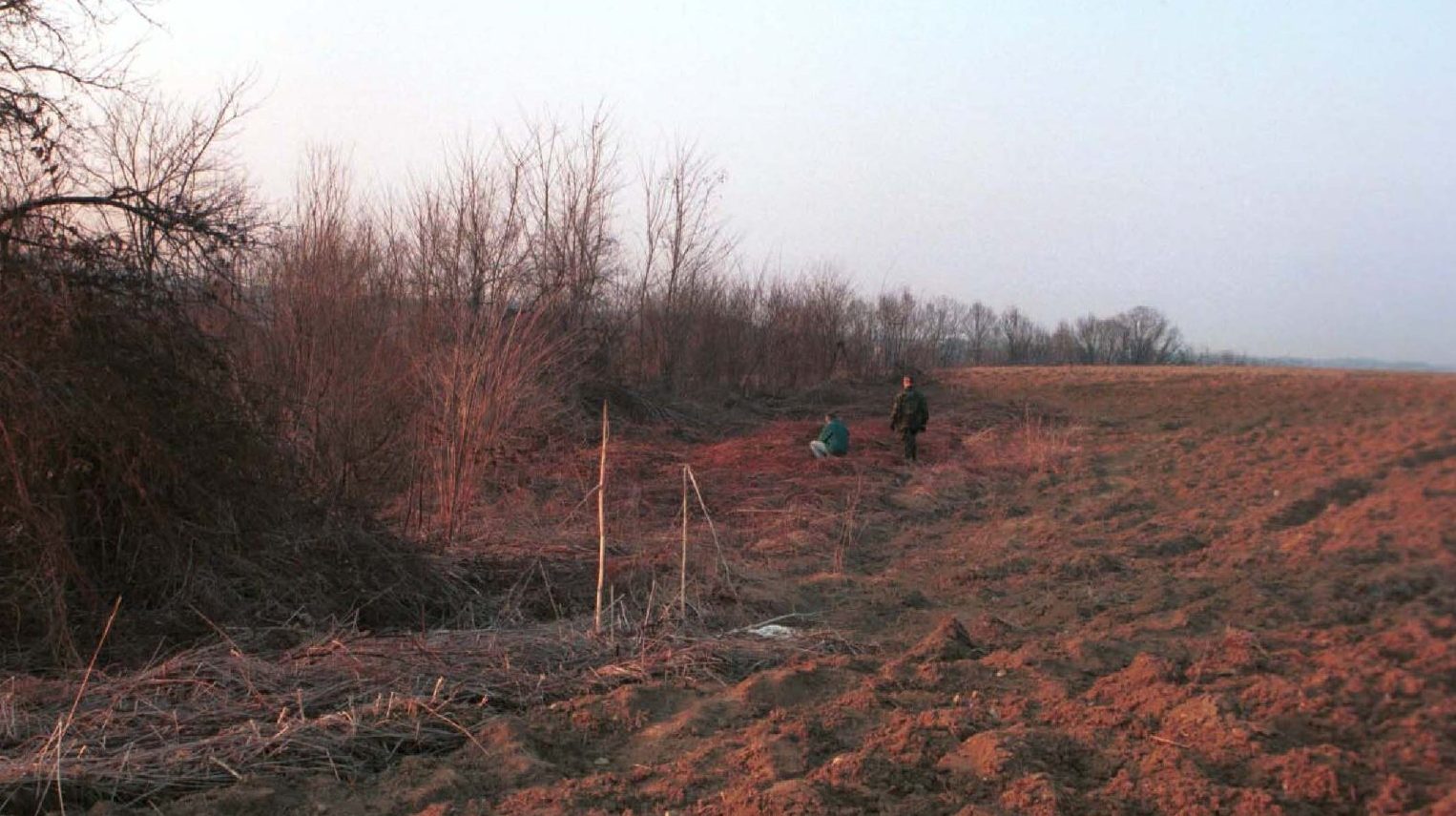
PD Branjevo
Pilica, Branjevo bb, 75412 Zvornik1995
The Branjevo agricultural cooperative in northeastern Bosnia and Herzegovina is one of the five sites where mass graves were first found. It is located near the Cultural Center in Pilica. More than 1,000 Bosniaks from Srebrenica were executed here during the genocide.
Court facts
ICTY
On July 14, 1995, prisoners were transported by bus from Bratunac to a school in Kula (near the village of Pilica, north of Zvornik), where several men died in the school hall from heat and dehydration. Some of the prisoners were taken out, gunfire was heard, and the prisoners did not return. (para. 233. Krstić, p. 98.), (paras. 347-348. Blagojević and Jokić, pp. 130-131.), (paras. 525., 528-531. Popović et al., vol. I, pp. 211-213.), (paras. 483-488. Tolimir, pp. 224-227.), (paras. 5415., 5417-5423. Karadžić, vol. IV, pp. 2266-2270.), (para. 25889. Mladić, volume III, p. 1533.)
On July 16, 1995, detainees in the Pilica school were loaded onto buses with their hands tied behind their backs and taken to the Branjevo Military Farm where they were lined up in groups of ten and shot. Between 1,000 and 1,500 Bosniaks from Srebrenica were killed at that execution site that day. The victims were between the ages of 17 and 70. (paras. 233., 236. Krstić, pp. 98-99.), (para. 349. Blagojević and Jokić, pp. 131–132.), (paras. 77-78. Erdemović, pp. 35-36.), (paras. 534-538., pp. 214–215.), (paras. 489-495. Tolimir, pp. 228–232.), (paras. 5425-5435., 5463. Karadžić, volume IV, pp. 2270–2276, 2290.), (paras. 2860-2861. Mladić, volume III, pp. 1533-1534.)
After the killings at Branjevo, on the same day, July 16, 1995, around 500 men from Srebrenica and two women were killed in the Pilica Cultural Centre. They were shot at from the balcony above them where the film projector was located and bombs were also thrown down on the prisoners. (para. 244. Krstić, pp. 103-104.), (para. 355. Blagojević and Jokić, p. 134.), (paras. 77-78. Erdemović, pp. 35-36.), (paras. 540-541. Popović et al., vol. I, p. 216.), (paras. 496-500., 508. Tolimir, pp. 232-234, 239.), (para. 2862. Mladić, vol. III, p. 1534.), (paras. 5436., 5439-5442., 5463. Karadžić, vol. IV, pp. 2276-2280, 2290.)
In the Pilica Cultural Centre, material evidence was found that mass executions had taken place. Bullet marks, explosives, bullets and shell casings, as well as human blood, bones, and tissue were found on the walls, ceilings and floors. (para. 245. Krstić, p. 104.), (para. 356. Blagojević and Jokić, p. 134-135.), (para. 544. Popović et al., p. 217-218.), (para. 5442. Karadžić, vol. IV, p. 2280.), (para. 2856. Mladić, vol. III, p. 1532.)
Those killed in the Pilica Cultural Centre, the school in Pilica, and the Branjevo Military Farm were buried in a primary grave at the Branjevo Military Farm. The bodies were exhumed from this primary grave and transferred to secondary graves at the Čančari Road location. The victims were aged between 15 and 61. (paras. 237-238. Krstić, pp. 99-100.), (para. 354. Blagojević and Jokić, pp. 133–134.), (paras. 548-550. Popović et al., vol. I, pp. 219–220.), (paras. 503-507. Tolimir, pp. 236–238.), (paras. 5452-5462. Karadžić, vol. IV, pp. 2284–2290.)
Court of Bosnia and Herzegovina
The prisoners who were held in Bratunac on July 14 and 15, 1995 were transferred by bus via Zvornik to Pilica, where they were detained in the school in Kula. (para. 613. Milorad Trbić, p. 196.), (para. 37. Momir Pelemiš Appeal Judgment, p. 17.), (para. 260. Franc Kos et al., p. 54.), (para. 268. Aleksandar Cvetković, p. 76.)
It has been established that at least 500 men were detained in the school in Kula and that they were killed during their detention. (paras. 620-621 Milorad Trbić, p. 198.), (paras. 203-204., 213. Momir Pelemiš and Slavko Perić, pp. 57, 59.)
The prisoners in the school had a short but terrible period of detention in which the atmosphere of terror was maintained by shooting at the ceiling, sporadic killings of prisoners, and beatings. Due to the impossible conditions many lost consciousness. (para. 223. Momir Pelemiš and Slavko Perić, pp. 61-62.), (para. 282. Franc Kos et al., p. 57.)
The men were transported from the school on July 16 to the nearby Branjevo Military Farm where several hundred were executed over the course of several hours. The number of executions in the judgments vary from around 880 up to 1,200. (paras. 624-625. Milorad Trbić, pp. 199-200.), (para. 226. Momir Pelemiš and Slavko Perić, p. 62.), (Marko Boškić, pp. 2, 4.), (paras. 284., 339-340., Franc Kos et al., pp. 57, 66, 6-7.), (paras. 276., 354. Aleksandar Cvetković, pp. 76, 93.)
During the transfer to the Branjevo Military Farm, the prisoners in the Pilica school had their hands tied behind their backs. (para. 327. Momir Pelemiš and Slavko Perić, p. 83.)
Several buses with prisoners remained parked in front of the school during the night of July 14 into the next morning and the prisoners were taken to the cultural centre on the morning of July 15. (para. 219. Momir Pelemiš and Slavko Perić, p. 60.)
In the Pilica Cultural Centre, approximately 500 Bosniak men were summarily executed with automatic weapons and hand grenades. (para. 635. Milorad Trbić, p. 202.), (paras. 60-61.
Momir Pelemiš Appeal Judgement, pp. 24-25.), (paras. 237-238. Momir Pelemiš and Slavko Perić, pp. 64-65.), (para. 563. Franc Kos et al., p. 101.)
The victims of these mass executions were buried in an unmarked mass grave at Branjevo. (para. 649. Milorad Trbić, p. 205.), (paras. 245-249. Momir Pelemiš and Slavko Perić, pp. 66-67.), (para. 563-565. Franc Kos et al., p. 101.)
While the bodies were being taken out of the cultural centre and loaded onto trucks, three surviving prisoners were discovered, who were then killed. (para. 364. Momir Pelemiš and Slavko Perić, p. 91.)
On July 19, Serb police arrested four men who had survived the shooting at the Branjevo Military Farm. The four men were killed a few days later. (paras. 690-698. Milorad Trbić, pp. 217-219.)
The bodies of some victims who were buried in the primary mass grave in Branjevo were moved to the secondary mass grave at Čančari Road. (paras. 404-405. Milorad Trbić, p. 133.), (para. 250. Momir Pelemiš and Slavko Perić, p. 67.)
Higher Court in Belgrade
Several hundred civilian men, who were captured with several thousand other civilians on July 12 and 13, 1995 after the capture of Srebrenica, were killed at the Branjevo farm. (Brano Gojković, pp. 1-2.)
Members of the Army of Republika Srpska took the captured civilians, some of whom were blindfolded and handcuffed, out of the buses, escorted them in groups of ten to a meadow next to the hangar and killed them. (Brano Gojković, pp. 1-2.)
Kadefa Rizvanović speaks about the search for her husband, who was killed at the Branjevo farm. She visits this neglected site every year and does not hide her sorrow that the place of such a horrific crime remains completely unmarked.
Kadefa Rizvanović — “Branjevo” mass grave, Zvornik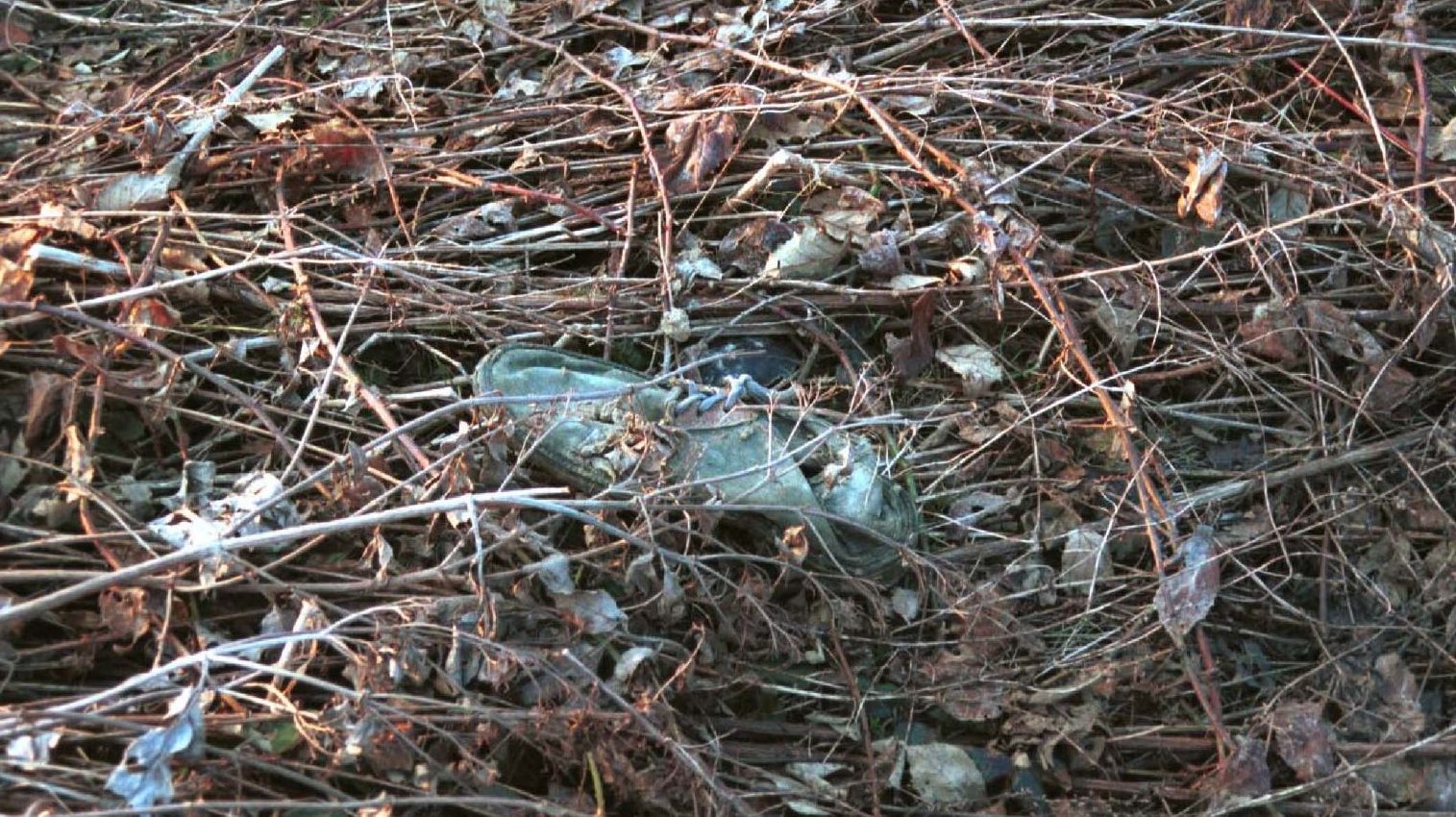
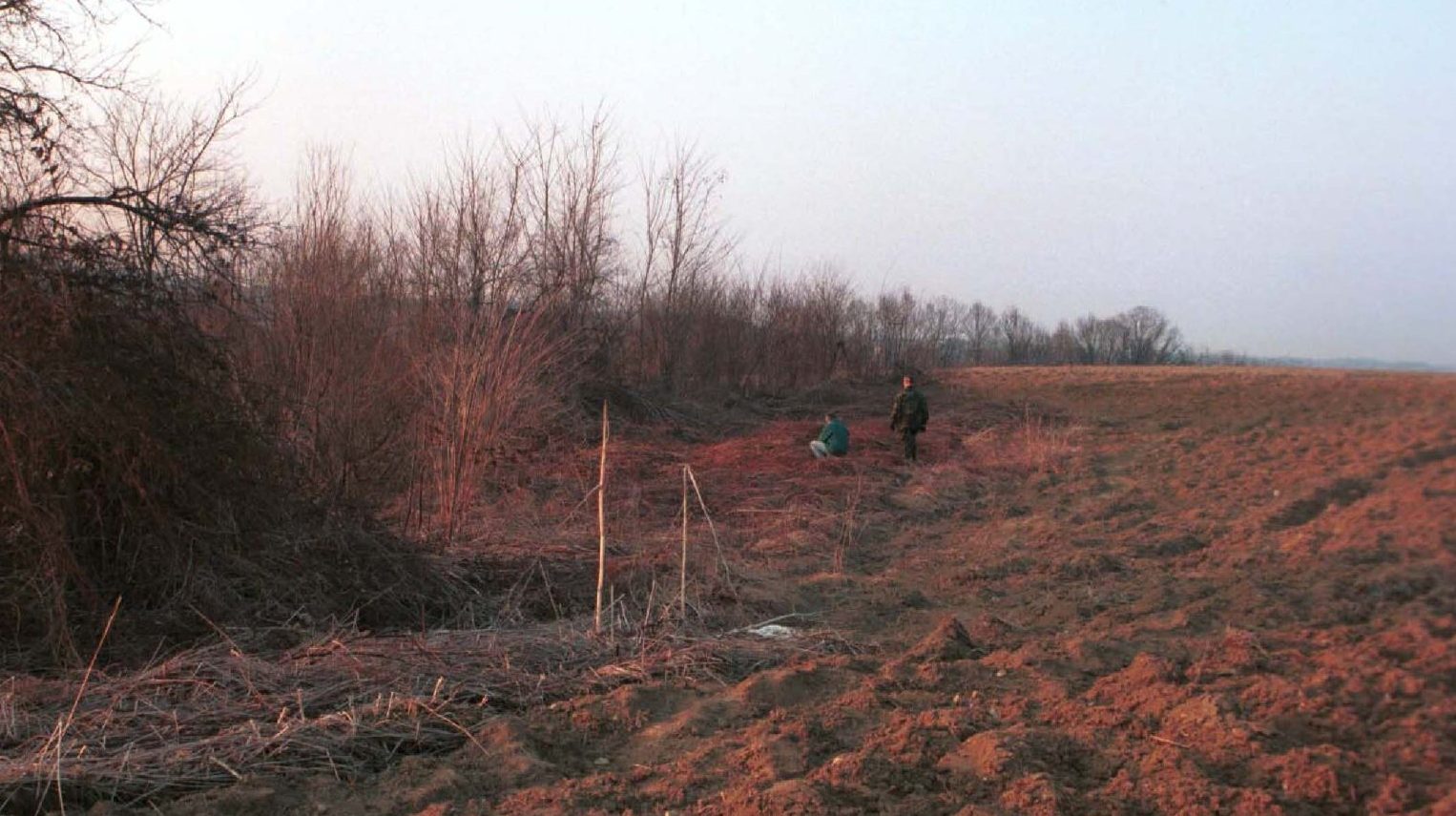
Related content

PD Branjevo
Pilica, Branjevo bb, 75412 Zvornik